Lavender is one of the most beloved herbs in home gardens, celebrated for its soothing fragrance, vibrant purple flowers, and versatile uses in cooking, aromatherapy, and décor. For city dwellers or those with limited outdoor space, balcony gardening in boxes offers an elegant and practical solution. Growing lavender in boxes not only provides fresh blooms and leaves for culinary or decorative purposes but also creates a calming, visually appealing environment on your balcony. This guide explains how to cultivate lavender successfully in balcony boxes, from soil preparation to harvesting and care.
Choosing the Right Boxes
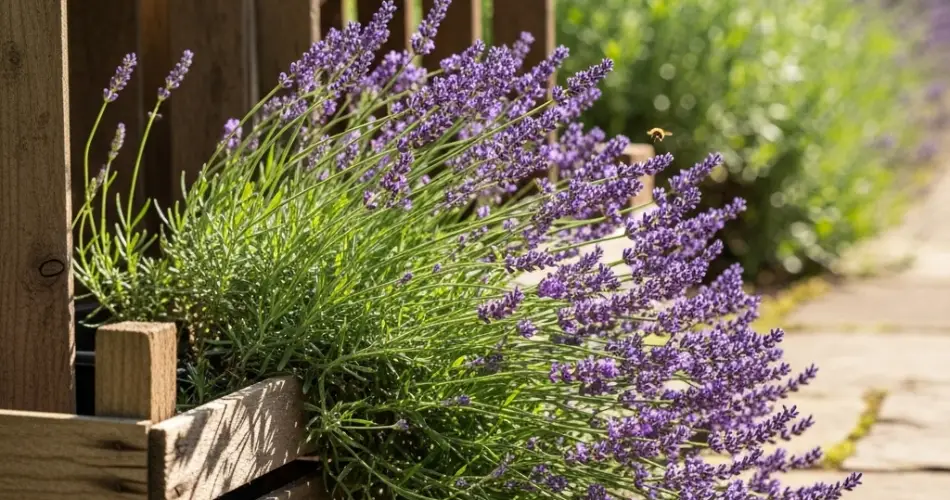
Selecting the right containers is a crucial first step. Wooden, ceramic, or sturdy plastic boxes work well for lavender, provided they offer sufficient depth for root growth—ideally at least 25–30 cm (10–12 inches). Ensure the boxes have drainage holes to prevent water from accumulating at the base, which can lead to root rot. Wooden boxes add a rustic charm and help insulate roots, while ceramic or plastic boxes can offer modern aesthetics and portability.
Preparing the Soil
Lavender thrives in well-draining, slightly alkaline soil with low to moderate fertility. A suitable soil mix combines high-quality potting soil with sand or perlite to improve drainage and prevent waterlogging. Adding a small amount of lime can slightly increase the pH, mimicking the herb’s natural Mediterranean conditions. Avoid heavy garden soil, which can retain too much moisture and hinder root development. Proper soil preparation ensures strong roots, abundant blooms, and long-lasting plant health.
Selecting Lavender Varieties
There are several lavender varieties suitable for balcony gardening. English lavender (Lavandula angustifolia) is prized for its sweet fragrance and culinary uses. French lavender (Lavandula dentata) has distinctive toothed leaves and striking flowers, perfect for decorative purposes. Spanish lavender (Lavandula stoechas) features unique flower shapes and a strong aroma. When selecting a variety, consider your balcony space, climate, and intended use, whether for cooking, aromatherapy, or ornamental display.
Planting Lavender
Lavender can be grown from seeds, cuttings, or small plants. Seeds may take longer to germinate, while cuttings or young plants establish more quickly and provide faster results. When planting, space individual plants 20–30 cm apart to allow for airflow and prevent overcrowding. Place the lavender at the same soil depth it was growing in its nursery container, and water lightly to help the plant settle. Lavender is drought-tolerant once established but requires well-draining soil and adequate sunlight to thrive in boxes.
Positioning the Boxes
Lavender requires full sun for optimal growth and flower production, ideally 6–8 hours of sunlight per day. Place the boxes in a bright, sunny location on your balcony or terrace. Proper sunlight encourages strong stems, aromatic leaves, and vibrant flowers. If sunlight is limited, consider using reflective surfaces or supplemental grow lights to enhance exposure. Good airflow around the boxes also reduces the risk of fungal diseases.
Watering and Fertilizing
Lavender prefers moderate watering. Initially, water plants regularly to help roots establish, but allow the soil to dry slightly between watering sessions. Overwatering can damage roots and reduce plant vigor. Fertilize lightly with a balanced, slow-release fertilizer or organic compost once or twice during the growing season. Excessive fertilization can reduce flower and oil production, diminishing fragrance and flavor.
Pruning and Maintenance
Regular pruning helps maintain compact, bushy growth and encourages new flowering stems. After flowering, trim back the top third of the plant, removing spent blooms and leggy growth. Avoid cutting into old woody stems, which may not regenerate. Lavender is relatively pest-resistant but should be monitored occasionally for aphids or spider mites. Organic pest control methods are recommended if problems arise.
Harvesting Lavender
Lavender can be harvested once flowers are fully open, usually in summer. Cut stems early in the day when oils are most concentrated, leaving enough foliage for continued growth. Harvested lavender can be used fresh, dried for sachets or arrangements, or used in culinary and aromatherapy applications. Regular harvesting encourages new growth and prolongs flowering throughout the season.
Benefits of Lavender Balcony Gardening
Growing lavender in boxes provides numerous benefits. It maximizes small-space gardening, adds visual appeal, and infuses your balcony with a calming fragrance. Lavender attracts pollinators such as bees and butterflies, supporting local ecosystems. Additionally, box gardening allows portability, making it easier to protect plants during extreme weather or reposition them for optimal sunlight. Lavender’s aromatic foliage, colorful blooms, and low-maintenance nature make it a perfect addition to any urban balcony garden.
By following these guidelines, gardeners can cultivate healthy, fragrant lavender in balcony boxes, creating a relaxing and beautiful outdoor space. Proper soil, sunlight, watering, and pruning ensure abundant blooms and aromatic foliage. Box-grown lavender not only enhances your balcony’s aesthetic but also provides fresh flowers and leaves for culinary, decorative, and therapeutic uses, making it a versatile and rewarding herb to grow.