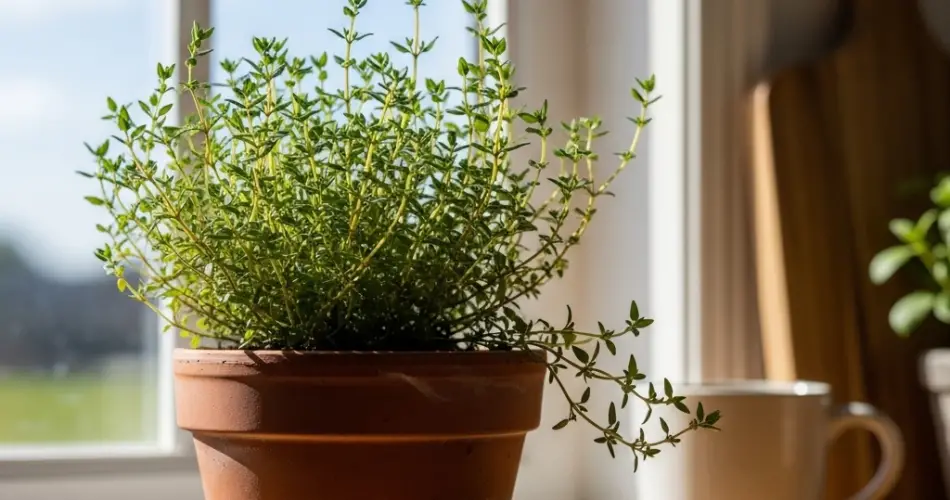
Thyme is a versatile and aromatic herb that enhances a wide variety of dishes, from roasted meats and vegetables to soups, stews, and sauces. Its subtle, earthy flavor makes it a staple in kitchens around the world. The good news is that thyme is easy to grow indoors, making it possible to have fresh leaves at your fingertips year-round, even in small spaces. A compact thyme garden in your kitchen not only adds convenience for cooking but also brings a touch of greenery and fragrance to your home.
With simple care and a few key techniques, you can cultivate a thriving indoor thyme garden that fits perfectly on a windowsill, countertop, or even in a small vertical planter.
Why Grow Thyme Indoors
Growing thyme indoors offers several benefits. First, you have constant access to fresh leaves, which are more flavorful than store-bought options. Second, thyme is low-maintenance and resilient, adapting well to indoor conditions. Its slow growth and compact size make it ideal for small kitchens or apartments.
Indoor thyme also promotes organic gardening. By controlling the soil, water, and environment, you can grow your herbs without chemicals, ensuring that your thyme is pure, safe, and full of natural flavor.
Choosing the Right Container
The container you choose plays a key role in your thyme plant’s health. Thyme has a shallow but spreading root system, so a pot at least 6–8 inches deep and wide is sufficient for a single plant. If you plan to grow multiple varieties, select a wider container to give each plant enough space.
Drainage is essential. Choose a pot with drainage holes to prevent water from accumulating at the bottom. For decorative pots without holes, add a layer of pebbles or gravel at the bottom to protect the roots. Always place a saucer under the pot to catch excess water and protect surfaces.
Soil Requirements
Thyme prefers light, well-draining soil. A standard potting mix works well, especially when amended with sand or perlite to improve aeration. Adding a small amount of compost or organic fertilizer encourages strong growth and enhances leaf flavor.
You can start thyme from nursery plants, cuttings, or seeds. Seedlings require more patience, as they take longer to establish, but both methods can yield productive plants with proper care. Once planted, thyme adapts quickly and begins producing leaves suitable for culinary use.
Light and Location
Thyme is a sun-loving herb that requires at least 6 hours of light daily. Place your plant near a sunny window, ideally south- or west-facing, to provide adequate sunlight. In kitchens with limited natural light, supplement with a small LED grow light to ensure consistent growth.
Rotate the pot regularly to expose all sides of the plant to light. Without adequate light, thyme may grow leggy, produce fewer leaves, and develop a weaker flavor. Proper light exposure is key to maintaining a robust, compact plant.
Watering and Care
Thyme thrives in slightly dry soil and does not tolerate constant moisture. Water thoroughly when the top inch of soil feels dry, ensuring excess water drains completely. Overwatering can lead to root rot, while underwatering may cause leaves to wilt or drop.
Thyme is well-suited to indoor humidity levels, but if your kitchen is particularly dry, occasional misting can help maintain healthy foliage. Avoid leaving leaves wet for extended periods to prevent fungal problems.
Pruning and Harvesting
Regular pruning encourages bushy growth and keeps the plant compact. Harvest thyme by cutting stems just above a pair of leaves. Avoid removing more than one-third of the plant at a time, allowing it to continue growing vigorously.
Pinching off flower buds helps maintain leaf quality and flavor. Frequent harvesting ensures a constant supply of fresh thyme for cooking while keeping the plant productive and healthy.
Creative Placement Ideas
Even small kitchens can accommodate a thyme garden:
-
Countertop pots – Keep fresh leaves within easy reach while cooking.
-
Windowsill containers – Maximize natural sunlight exposure.
-
Hanging planters – Save counter space and add a decorative touch.
-
Vertical herb racks – Grow multiple plants efficiently in limited space.
Final Thoughts
Indoor thyme is an easy-to-grow, low-maintenance herb that provides fresh, flavorful leaves year-round. By selecting the right container, providing well-draining soil, ensuring adequate light, and maintaining proper watering and pruning routines, you can cultivate a thriving thyme garden even in minimal space.
With regular harvesting, your thyme will remain compact, robust, and aromatic, ready to enhance any dish. A kitchen thyme garden not only elevates your cooking but also adds natural beauty, greenery, and fragrance to your home, making it a practical and rewarding addition to any indoor space.


