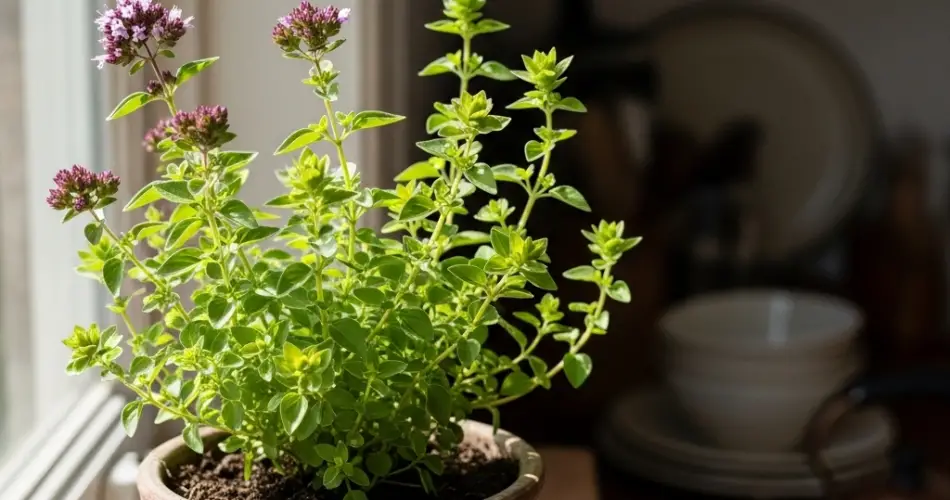
Oregano is a beloved culinary herb, celebrated for its robust, earthy flavor and fragrant aroma. Essential in Italian, Mediterranean, and Mexican cuisine, oregano enhances pizzas, pasta sauces, soups, roasted vegetables, and marinades. While dried oregano is convenient, growing fresh oregano indoors delivers superior taste, aroma, and consistent availability. Even without a garden, a sunny windowsill or kitchen countertop can become a thriving mini herb garden, providing fresh leaves year-round.
Why Grow Oregano Indoors
Growing oregano indoors is both practical and rewarding. It adapts well to container life, tolerates variations in light and temperature, and requires minimal maintenance. Unlike more delicate herbs, oregano grows quickly and responds well to regular harvesting. Indoor cultivation ensures that fresh leaves are always at hand for cooking, while also adding greenery and a pleasant fragrance to your kitchen environment. It’s a convenient way to elevate meals and enjoy the satisfaction of homegrown herbs.
Choosing the Right Oregano Variety
There are several oregano varieties to consider, each with distinct flavor characteristics. Greek or Mediterranean oregano offers a strong, earthy flavor ideal for Italian dishes. Italian oregano is slightly milder, blending well with tomato-based recipes, while Mexican oregano provides a bold, citrusy note that complements spicy meals. Choosing the right variety depends on your culinary preferences, and growing multiple types can create a diverse herb supply for your kitchen.
Light and Placement
Oregano thrives in bright, indirect light. A south- or west-facing windowsill is optimal, providing 6–8 hours of sunlight daily. If natural sunlight is insufficient, supplement with an LED or fluorescent grow light placed 6–12 inches above the plant. Keep the light on for 12–14 hours per day to maintain healthy, compact growth. Placing oregano near your cooking area offers convenience for harvesting while still ensuring it receives adequate light for strong, flavorful leaves.
Containers and Soil
To manage its growth indoors, oregano should be planted in containers with proper drainage. Choose a pot at least 6–8 inches wide with drainage holes to prevent root rot. Terracotta or ceramic pots are ideal because they allow airflow and regulate moisture. Use a well-draining, lightweight potting mix enriched with organic matter. Avoid heavy garden soil, which can compact indoors and restrict root growth. Nutrient-rich, airy soil promotes healthy stems and flavorful leaves.
Watering Tips
Oregano prefers slightly dry soil compared to other herbs, so careful watering is essential. Water when the top inch of soil feels dry, making sure excess water drains from the bottom. Avoid letting the pot sit in standing water, as this can lead to yellowing leaves or root rot. Conversely, underwatering can slow growth and make stems woody. Maintaining moderate, consistent moisture ensures a productive, long-lasting plant.
Fertilizing and Feeding
Container-grown oregano benefits from periodic fertilization to replace nutrients depleted from potting soil. Apply a balanced, water-soluble fertilizer every four to six weeks during the growing season. Organic alternatives, such as liquid seaweed or compost tea, work well and help produce strong, aromatic leaves. Avoid over-fertilizing, which can result in large leaves with diminished flavor. Moderate, consistent feeding preserves the herb’s taste and vitality.
Harvesting Fresh Oregano
One of the joys of indoor oregano is harvesting leaves as needed. Pinch or snip stems just above a leaf node to encourage branching and continuous growth. Frequent harvesting keeps the plant from becoming woody and maintains a steady supply of aromatic leaves. Fresh oregano is ideal for sprinkling into sauces, soups, roasted dishes, marinades, or even herbal teas. Avoid harvesting more than one-third of the plant at a time to allow uninterrupted growth.
Pruning and Maintenance
Regular pruning ensures oregano remains compact and productive. Trim any leggy stems and remove flowers, as flowering can reduce leaf production and slightly alter flavor. Pruning encourages bushier growth and prolongs the plant’s productivity. Combined with proper watering and feeding, pruning helps maintain a vibrant, healthy plant that continues supplying fresh leaves year-round.
Preserving Extra Oregano
If your oregano produces more than you can use immediately, preservation is simple. Wrap fresh sprigs in a damp paper towel and store them in the refrigerator for a few days. For long-term storage, freeze leaves in ice cube trays with water or olive oil. Drying small bunches is another option, though freezing usually retains more of the herb’s flavor. Preserved oregano ensures you always have this essential herb on hand.
Enjoying Homegrown Oregano
Growing oregano indoors allows you to enjoy fresh, aromatic leaves all year. With the right light, soil, watering, and pruning, oregano thrives on a windowsill or kitchen counter. Fresh, homegrown oregano elevates your cooking, adds greenery to your kitchen, and gives the satisfaction of cultivating your own herbs. Indoor kitchen gardening transforms simple meals into flavorful experiences, making oregano a practical and beautiful addition to your home.


