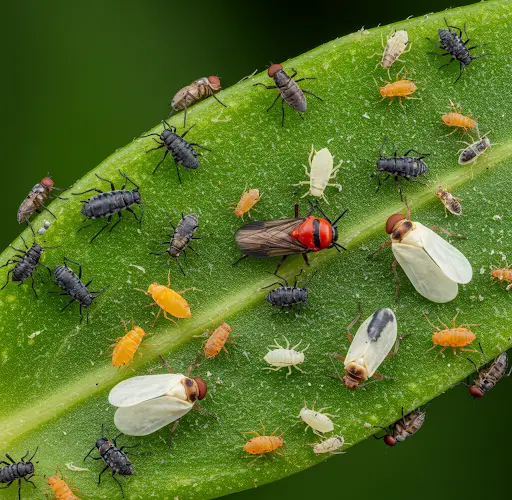
Homemade Insecticide to Eliminate Aphids, Mealybugs, Caterpillars, and More
Having pests invade your plants can be incredibly frustrating, especially when those pests—such as aphids, mealybugs, caterpillars, grasshoppers, and stink bugs—begin to damage your beloved plants. Fortunately, there’s a simple and effective homemade solution that can help you get rid of these pests without spending a fortune on store-bought pesticides. This easy-to-make insecticide, made with ingredients you probably already have at home, can eliminate a wide variety of plant pests quickly and effectively.
Why Pests Are Harmful to Your Plants
Insects like aphids, mealybugs, and caterpillars can cause severe damage to plants by feeding on their leaves and stems. Aphids, for example, are notorious for sucking the sap from plants, weakening them and causing yellowing or wilting leaves. Mealybugs can also cause stunted growth, and caterpillars may eat through entire leaves, leaving your plant vulnerable to further stress. If not addressed quickly, these pests can kill your plants, which is why it’s important to act fast and use an effective treatment.
Homemade Insecticide Recipe
This homemade insecticide uses simple, readily available ingredients—dish detergent and water. By using a neutral or coconut-based detergent, you can safely eliminate pests without causing harm to your plants. Here’s how to make and apply the insecticide:
Ingredients:
-
500 ml of water (preferably room temperature)
-
80-100 ml of neutral dish detergent or coconut-based detergent (depending on the severity of the pest infestation)
-
A spray bottle
Instructions:
-
Prepare the Solution:
Start by measuring 500 ml of water and pouring it into a container. Then, take 80 to 100 ml of the detergent (about half of a typical measuring cup) and add it to the water. The more severe the pest infestation, the closer you should go to using the full 100 ml of detergent. The detergent works effectively to suffocate pests and break down their exoskeletons, quickly killing them on contact. -
Mix the Solution:
Stir the mixture well to ensure that the detergent is fully dissolved in the water. As you mix, you may notice that the solution begins to foam slightly. This is perfectly normal and indicates that the detergent is properly blended into the water. -
Using the Spray Bottle:
Pour the solution into a spray bottle. A spray bottle will allow you to apply the solution evenly over the affected plant. Make sure the bottle is clean before you fill it with the solution to avoid contamination. -
Applying the Insecticide:
Now it’s time to treat your plants. Take the spray bottle and apply the detergent solution directly to the affected areas of your plant. Focus on the undersides of the leaves and any areas where pests are most concentrated. It’s crucial to apply the solution when there is no direct sunlight, as the detergent may burn the plant if exposed to the sun immediately after application.The solution should be applied thoroughly but gently, ensuring the pests are directly targeted. It’s highly effective, and you will notice pests dying almost immediately upon contact.
Key Tips for Success:
-
Timing is Everything:
For the best results, apply the solution early in the morning or in the evening when the sun is not too intense. Avoid applying the insecticide during the hottest part of the day to prevent your plant from being burned by the detergent. -
Repeat if Necessary:
If you find that some pests persist, you may need to reapply the solution the following day. However, it is unlikely that you will need to repeat the treatment multiple times, as the detergent works quickly to kill the pests on contact. -
Monitor the Results:
After applying the insecticide, keep an eye on your plant. You should start to notice the pests dying within minutes. As you inspect your plant over the next few days, you should see fewer and fewer pests. Any that remain should eventually be eliminated. -
Effectiveness:
This homemade insecticide works on a wide range of pests, including aphids, mealybugs, caterpillars, grasshoppers, and even stink bugs. The solution suffocates them and disrupts their protective outer coating, effectively killing them.
Why This Homemade Solution Works
Dish detergent is a powerful tool in pest control because it contains surfactants that break down the waxy protective layer on the pests’ bodies. Without this coating, the pests quickly lose moisture and suffocate. Additionally, detergent is safe for plants when used correctly and doesn’t harm the soil or the plant’s overall health. It’s an affordable, eco-friendly way to combat pest infestations without resorting to toxic chemicals.
Prevent Future Pests
After you’ve successfully eliminated the pests, it’s a good idea to take steps to prevent future infestations. Regularly check your plants for any signs of pests, such as distorted leaves or the presence of sticky residue (which indicates aphids). By addressing any issues early on, you can prevent a serious infestation from developing.
You can also boost your plant’s natural defenses by ensuring it receives proper care—healthy plants are less susceptible to pest attacks. Regular watering, adequate sunlight, and appropriate fertilization all contribute to a plant’s overall health and resilience.
Conclusion
Homemade insecticides like this one are a quick, inexpensive, and effective solution for controlling pests on your plants. By using simple ingredients, you can protect your plants from a variety of damaging pests without resorting to harmful chemicals. With this solution, you can enjoy healthy, pest-free plants and prevent future infestations from taking hold.
Whether you’re dealing with aphids, mealybugs, caterpillars, or other pests, this homemade insecticide will give you the power to keep your plants safe and thriving. Try it out today and see the results for yourself!


