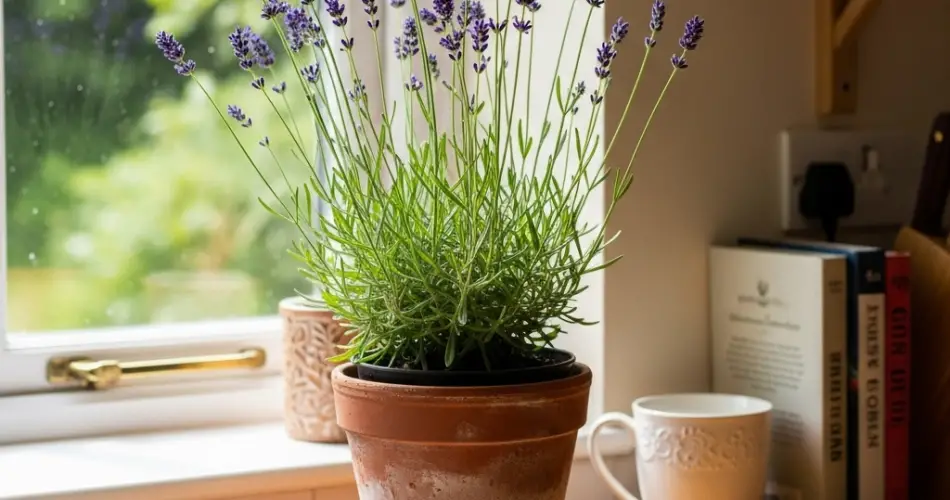
Lavender is one of the most beloved herbs, admired for its soothing fragrance, delicate purple blooms, and versatility in both cooking and home care. While many gardeners enjoy it outdoors in sunny beds or Mediterranean-style landscapes, lavender can also thrive indoors with the right care. Growing it inside means you can enjoy its calming aroma year-round, even if you don’t have a garden. With a few simple adjustments, lavender can flourish on your windowsill, filling your home with beauty, fragrance, and flavor.
Why Choose Lavender for Indoor Gardening?
Lavender offers more than just attractive blooms. Its essential oils are well-known for their calming properties, often used in aromatherapy to ease stress and promote restful sleep. Beyond relaxation, lavender adds a natural air freshener to your home, releasing a gentle scent every time you brush against its leaves.
The herb is also edible. Its flowers and leaves can be used in teas, baked goods, and savory dishes, providing a subtle floral flavor. By keeping lavender indoors, you’ll have fresh sprigs at your fingertips, ready for both culinary and decorative uses.
Selecting the Right Lavender Variety
Not all lavender types adapt well to indoor conditions. Compact varieties such as ‘Munstead’ and ‘Hidcote’ are ideal choices because they stay smaller, fit nicely into pots, and are easier to manage in limited spaces.
English lavender is often preferred for cooking because of its softer flavor, while French lavender is more ornamental. Consider your goals before choosing—whether you want to use lavender for cooking, enjoy it mainly for fragrance, or keep it as a beautiful houseplant.
Finding the Best Spot
Lavender thrives on sunlight, which makes placement crucial. Choose a south-facing window where the plant will receive at least six hours of direct sunlight daily. A west-facing window can also work if it gets enough brightness.
If your home doesn’t provide sufficient natural light, supplement with a grow light. LED grow lights are a compact and energy-efficient option that ensures lavender gets the illumination it needs to grow strong and healthy. Without enough light, the plant may become thin, weak, and less fragrant.
Soil and Potting Needs
Lavender is highly sensitive to overwatering and soggy soil. To mimic its natural Mediterranean environment, choose a well-draining potting mix. A blend of regular potting soil with sand, gravel, or perlite will improve drainage and prevent root rot.
The container is just as important. Always select a pot with drainage holes. Terra cotta pots are especially beneficial because they allow excess moisture to evaporate, keeping the soil drier. Avoid oversized containers—lavender prefers slightly snug conditions that help regulate moisture levels.
Watering and Fertilizing
One of the most common mistakes when growing lavender indoors is giving it too much water. This herb prefers drier soil and can tolerate drought better than excess moisture. Water deeply but allow the soil to dry out between watering sessions.
Stick your finger about an inch into the soil—if it feels dry, it’s time to water. Ensure that any extra water drains away completely.
Fertilizing should be minimal. A diluted, balanced liquid fertilizer once a month during the growing season is enough. Too much fertilizer encourages leafy growth at the expense of flowers and fragrance.
Encouraging Growth and Bloom
Pruning is key to keeping indoor lavender healthy and attractive. Regularly trim back stems after flowering to prevent the plant from becoming woody and to encourage bushy new growth. Removing spent blooms also helps the plant focus its energy on producing new flowers.
Good air circulation is also important. Place your lavender in an area where air moves freely, avoiding damp corners or spots with stagnant air. Proper airflow reduces the risk of mold or mildew.
Harvesting Lavender Indoors
Once your lavender starts blooming, you can harvest the flowers for both fragrance and culinary uses. Cut stems just above the leaves using clean scissors. Harvesting encourages more blooms and keeps the plant neat.
Lavender flowers are best harvested just before they fully open, when their aroma and flavor are at their strongest. You can use them fresh or dry them by hanging small bundles upside down in a cool, dark place.
Using Lavender in the Kitchen
Lavender’s unique flavor can enhance many recipes. Popular uses include:
-
Teas: Brew fresh or dried flowers for a calming herbal infusion.
-
Baking: Add a hint of lavender to cookies, cakes, and breads.
-
Savory dishes: Combine with herbs like thyme and rosemary to season poultry, lamb, or fish.
-
Syrups and sugars: Infuse lavender into simple syrup or sugar for desserts and drinks.
Because lavender has a strong flavor, always use it sparingly to avoid overpowering other ingredients.
Caring for Lavender Year-Round
Lavender can remain healthy indoors throughout the year with consistent care. During winter, growth slows, so water less often. Keep the plant in as much sunlight as possible to prevent it from going dormant.
Every couple of years, repot your lavender with fresh soil to refresh its growing environment. Stick to containers that fit its size rather than moving to much larger pots. A slightly root-bound lavender plant often produces more flowers and fragrance.
Final Thoughts
Lavender is a versatile herb that brings beauty, fragrance, and flavor to your home. With proper sunlight, well-draining soil, and careful watering, it thrives indoors, rewarding you with delicate blooms and a calming aroma. Whether you’re enjoying it in a cup of tea, adding a floral note to baked goods, or simply appreciating its presence on a sunny windowsill, lavender is a perfect addition to any indoor garden.


