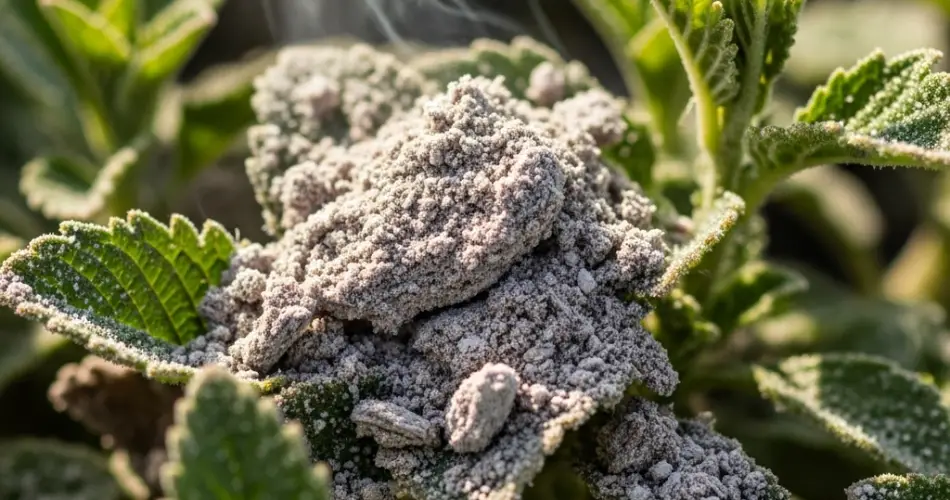
If your flowering plants have stopped blooming or only produce a few small buds, the problem might not be the light, water, or even temperature—it could simply be a lack of nutrients. Fortunately, there’s an easy, all-natural solution that requires no expensive fertilizers or synthetic boosters. Just one spoonful of this homemade powder is enough to transform your plants and help them bloom more than ever.
This simple gardening hack uses a single common ingredient that delivers big results. Whether you grow roses, geraniums, hibiscus, orchids, or potted indoor flowers, this method supports stronger flowering, greener leaves, and overall plant vitality.
The Secret Ingredient: Wood Ash
The humble but powerful ingredient behind this flowering success is wood ash—yes, the leftover ash from burning untreated firewood or natural charcoal.
Wood ash is packed with potassium, phosphorus, calcium, and magnesium—essential nutrients that support flower formation, healthy roots, and disease resistance. While it may seem too simple, many experienced gardeners swear by it for maintaining vibrant and flowering plants year-round.
Why Wood Ash Works So Well
Wood ash is a natural, slow-release source of minerals that improve the soil’s structure and nutrient content. Here’s how it helps your plants:
-
Potassium (K): Encourages strong flower and fruit development. It’s the main reason blooms become larger, brighter, and more frequent.
-
Phosphorus (P): Supports root growth and flower bud formation.
-
Calcium and Magnesium: Essential for healthy leaf tissue, photosynthesis, and balanced nutrient absorption.
-
Mild Alkalinity: Helps neutralize overly acidic soils, which can prevent nutrients from being absorbed.
Together, these elements work to provide plants with the foundation they need to grow and bloom beyond expectations.
How to Use Wood Ash in Your Garden
You’ll Need:
-
Clean, untreated wood ash (never from charcoal with additives or painted/treated wood)
-
A spoon or small scoop
-
Watering can (optional)
Application Method:
-
Measure the Right Amount: Use just 1 spoonful of wood ash per medium-sized potted plant. For garden beds, 1–2 tablespoons per square foot is sufficient.
-
Sprinkle and Mix: Sprinkle the ash lightly around the base of the plant, avoiding direct contact with the stem. Gently mix it into the top layer of soil.
-
Water In: After application, water the plant lightly to help the ash settle and begin releasing nutrients into the root zone.
Frequency: Apply this treatment once every 4 to 6 weeks during the growing season. Avoid overuse, as excessive ash can raise the soil’s pH too much.
Best Plants for This Method
This natural flower-boosting trick works especially well with:
-
Flowering indoor plants like African violets, kalanchoe, peace lilies
-
Outdoor flowering shrubs such as roses, hydrangeas, and hibiscus
-
Balcony and container flowers like petunias, geraniums, and marigolds
-
Ornamental plants that require regular blooming
Even non-flowering foliage plants can benefit from the occasional application, gaining stronger stems and healthier leaves.
What to Expect After Application
With regular use of wood ash, most plants will show signs of improvement in just a few weeks. Look for:
-
Increased flower bud formation
-
Larger and more vibrant blooms
-
Thicker stems and healthier leaf color
-
Faster overall growth
Plants that once struggled to bloom may suddenly produce a cascade of flowers. It’s a natural transformation that doesn’t require chemicals or synthetic boosters—just a spoonful of the right support.
Caution and Tips
While wood ash is incredibly beneficial, it’s important to use it correctly. Here are a few tips:
-
Don’t use on acid-loving plants like blueberries, azaleas, or gardenias, as the alkalinity can disrupt their soil needs.
-
Avoid wet or humid application—ash can become sticky and hard to spread evenly.
-
Store dry: Keep any remaining ash in an airtight container to avoid moisture.
-
Don’t mix with synthetic fertilizers: The interaction may reduce effectiveness or harm roots.
If you’re unsure of your soil’s pH, consider testing it with a basic kit before applying ash regularly.
Final Thoughts
Who would have thought that something as simple as a spoonful of ash could help flowering plants reach their full potential? Sometimes, nature offers the best solutions. By using wood ash wisely, you can nourish your plants naturally and enjoy an explosion of blooms—month after month.
No complicated formulas or commercial fertilizers are needed. Just one spoon per month is enough to create a garden full of life, color, and vitality.
Try it, and see your plants bloom beyond your imagination.


