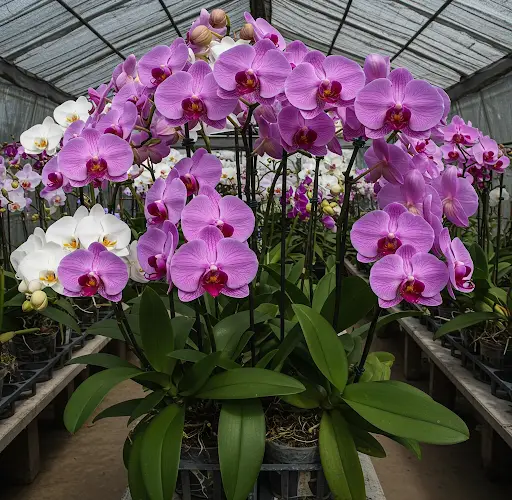
Orchids are delicate yet resilient plants that, with the right care, can bloom beautifully even during winter. As the season changes, orchids require proper vitamin support and care to prepare for abundant blooming in the spring. Today, I will share some essential tips to encourage orchids to bud and bloom during the colder months.
As you can see, my orchids have started to bloom profusely. These orchids developed flower branches after receiving liquid plant nutrients in the autumn. Now, their buds have matured, and they are preparing to bloom fully. By providing the right nutrients and care in winter, you can ensure that your orchids bloom abundantly in spring.
Method 1: Using Rice Water
One of the best ways to provide essential nutrients to orchids is by using rice water. Rice is packed with vitamins and minerals that help revitalize orchid leaves and roots, promoting healthy growth. To prepare this nutrient-rich solution, follow these steps:
- Take 1 tablespoon of rice and place it in a bowl.
- Add a sufficient amount of water to cover the rice.
- Stir the mixture well and let it sit for 30 minutes.
- After 30 minutes, strain the rice water into a clean container.
Rice water provides vital nutrients that help orchids grow stronger and healthier, making it an excellent natural fertilizer.
Method 2: Using Aloe Vera Juice
Aloe Vera is another powerful ingredient that can significantly boost orchid health. It is packed with beneficial nutrients and has antibacterial properties that help protect orchids from diseases. Aloe Vera juice can be used not just for orchids but for all houseplants.
To prepare Aloe Vera juice for your orchids:
- Take a fresh Aloe Vera leaf and let the yellowish sap drain out. This sap can be harmful to plants.
- Cut the Aloe Vera leaf into small slices.
- Add 200 ml of water into a food processor and place the sliced Aloe Vera inside.
- Blend the mixture until it turns into a puree.
- Strain the Aloe Vera juice to remove any solid pieces. Only the liquid should be used, as Aloe Vera leaf residues may stick to the roots and cause problems.
Combining Rice Water and Aloe Vera Juice
After preparing both solutions, it’s time to mix them together to create a powerful liquid plant food:
- Pour the strained rice water into a glass jug. You should have about 500 ml.
- Add approximately 300 ml of Aloe Vera juice to the rice water.
- Mix well.
This combined solution provides essential nutrients to orchids, strengthening their roots and promoting the growth of flower branches.
Checking Orchid Roots Before Watering
Before applying any liquid nutrients, it’s crucial to check the condition of your orchid’s roots. Observing the root color can help determine whether the orchid needs water:
- If the root color is white or gray, the orchid is dehydrated and requires water.
- If the root color is green, the orchid does not need water. Watering at this stage can cause root rot, yellowing leaves, and wilting flowers.
Always ensure your orchid needs hydration before watering to maintain optimal health.
How to Apply the Nutrient Solution
To properly nourish your orchids, follow these steps:
- Add 6 tablespoons of the prepared mixture to each orchid pot.
- Avoid overwatering—6 tablespoons per pot is ideal.
- Apply this mixture once a month to prevent over-fertilization.
- This method works for both flowering and flowerless orchids, as all orchids need vitamins for healthy growth.
After adding the mixture, you may notice a change in root color. Initially gray roots will gradually turn green as they absorb the nutrients, indicating that the orchid’s hydration needs are being met.
Observing Orchid Growth After Liquid Nutrient Application
Providing orchids with nutrient-rich liquid plant food encourages the development of strong, healthy roots and the emergence of new flower branches. Over time, you will observe significant improvements in your orchids, including:
- The growth of new and healthy roots.
- Increased development of flower branches.
- Enhanced leaf health and brightness.
Additional Tip: Ensuring Proper Lighting
One of the most crucial aspects of orchid care is ensuring they receive sufficient light. Healthy orchids require ample light exposure, particularly during the winter months. Unlike other plants, orchids do not absorb light through their roots but rely on their leaves for photosynthesis.
Here are some key lighting tips:
- Place your orchids in a well-lit area, such as near a window that receives plenty of sunlight.
- Avoid direct exposure to intense sunlight, which can scorch the leaves.
- Position orchids in a location where they can receive indirect natural light throughout the day.
Proper lighting plays a significant role in orchid development. Orchids that receive ample light will grow new leaves, roots, and flower branches, ensuring a successful blooming season.
Signs of a Healthy Orchid
If your orchid grows new flower branches immediately after shedding old flowers, this is a sign of excellent health. Additionally, active aerial roots indicate that the orchid is thriving. Orchids that receive adequate light and liquid plant nutrients will bloom abundantly and maintain overall vitality.
Final Thoughts
With the arrival of spring, orchids undergo a natural revival. By following these care methods and providing the right nutrients, your orchids will develop strong roots, healthy leaves, and beautiful flower branches. Proper hydration, nutrient supplementation, and lighting conditions are key factors in ensuring your orchids bloom beautifully throughout the season.
By implementing these tips, you can help your orchids thrive and enjoy vibrant, long-lasting flowers.


