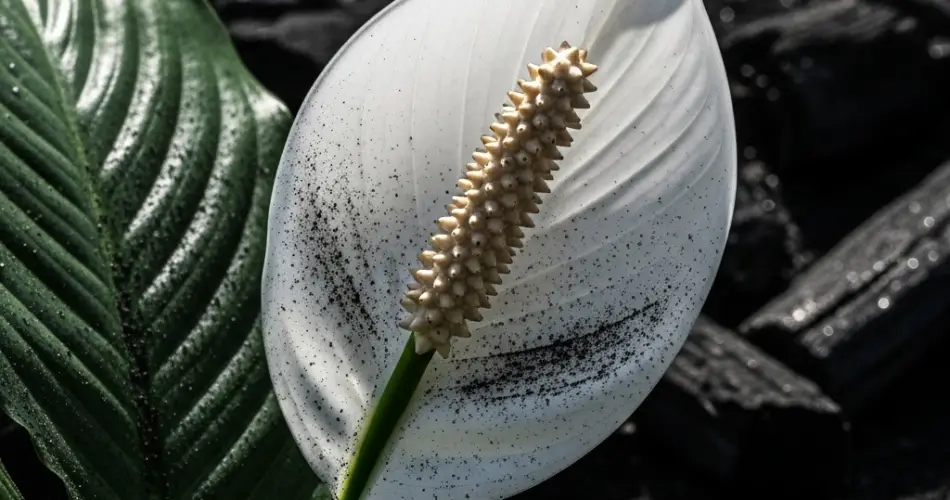
Peace lilies (Spathiphyllum) are admired for their beautiful white flowers and lush green leaves, making them a popular choice for indoor gardening. However, sometimes even the most cared-for peace lilies may struggle to bloom or look less vibrant. If you want your peace lily to burst into abundant flowers and regain its healthy glow, there’s a surprisingly simple secret you might not know: sprinkling a small amount of charcoal on top of the soil.
This natural, easy method can dramatically improve your peace lily’s health and flowering potential. In this article, you’ll discover why charcoal works so well, how to apply it properly, and additional tips to keep your peace lily thriving year-round.
Why Charcoal Helps Peace Lilies Bloom
Charcoal has long been used in gardening and plant care due to its unique properties that benefit soil and roots. When added to the soil surface or mixed in, charcoal:
-
Improves Soil Aeration: Charcoal creates tiny air pockets in the soil, allowing roots to breathe better and grow stronger.
-
Enhances Drainage: It prevents soil compaction and excess moisture buildup, reducing the risk of root rot.
-
Absorbs Toxins and Odors: Charcoal traps harmful substances and impurities in the soil, creating a cleaner environment for roots.
-
Balances pH Levels: It helps stabilize soil acidity, promoting better nutrient uptake.
-
Encourages Beneficial Microorganisms: Charcoal creates a favorable habitat for helpful soil bacteria and fungi, which support healthy root systems.
These effects contribute to healthier roots, which directly influence the plant’s ability to absorb water and nutrients—key factors in producing vigorous growth and flowers.
How to Apply Charcoal to Your Peace Lily
Applying charcoal is simple and can be done in just a few minutes:
-
Choose the Right Charcoal: Use horticultural or activated charcoal intended for gardening. Avoid charcoal with additives, such as those for grilling.
-
Prepare the Soil Surface: If your peace lily is potted, gently remove any mulch or debris from the soil surface.
-
Sprinkle a Thin Layer: Lightly sprinkle about one tablespoon of crushed or granulated charcoal evenly across the top of the soil. Avoid burying it deeply.
-
Water Normally: After sprinkling, water your peace lily as usual. The charcoal will gradually integrate with the soil moisture.
-
Repeat Occasionally: For ongoing benefits, reapply charcoal every 2 to 3 months or when repotting.
What Changes to Expect
Once charcoal is added to the soil, your peace lily will begin to show signs of improvement within weeks:
-
Stronger Root System: Healthy roots lead to better water and nutrient absorption.
-
Lusher, Greener Leaves: Improved nutrient uptake results in vibrant foliage.
-
Increased Flowering: The plant has the energy to produce more flower buds, leading to abundant blooms.
-
Reduced Risk of Diseases: By keeping the soil environment clean, charcoal helps prevent root diseases.
With consistent care, your peace lily can bloom like never before, brightening your indoor space with beautiful white flowers.
Complementary Care Tips to Maximize Blooming
While charcoal boosts soil health, combining it with proper peace lily care ensures the best results:
-
Light: Place your peace lily in bright, indirect light. Too little light can hinder flowering, while harsh direct sun may damage leaves.
-
Water: Keep the soil consistently moist but not waterlogged. Water when the top inch of soil feels dry.
-
Humidity: Peace lilies thrive in humid environments. Mist leaves regularly or use a humidity tray.
-
Fertilizer: Feed your plant every 6–8 weeks with a balanced liquid fertilizer to supply essential nutrients.
-
Pruning: Remove yellow or damaged leaves and spent flowers to encourage new growth.
Why Charcoal Is a Smart Choice for Indoor Plants
Unlike chemical additives, charcoal is a natural, eco-friendly way to improve soil conditions. It’s inexpensive, easy to apply, and safe for pets and children when used properly.
Besides peace lilies, charcoal benefits other houseplants, especially those prone to root rot or poor drainage. Its detoxifying qualities can also help keep your indoor garden fresh and healthy.
Common Mistakes to Avoid
-
Using Grilling Charcoal: Regular charcoal briquettes contain additives and chemicals harmful to plants.
-
Overapplying Charcoal: Too much charcoal can dry out the soil or upset nutrient balance. Use sparingly.
-
Ignoring Other Care Needs: Charcoal supports but does not replace light, water, and fertilizer requirements.
Final Thoughts
If your peace lily isn’t flowering or looks tired, try sprinkling a small amount of horticultural charcoal on the soil surface. This simple step can improve root health, enhance nutrient uptake, and encourage your peace lily to bloom profusely.
Pair this technique with good watering, proper lighting, and occasional feeding, and you’ll enjoy a peace lily that blooms like crazy, adding a fresh and vibrant touch to your home all year round.


