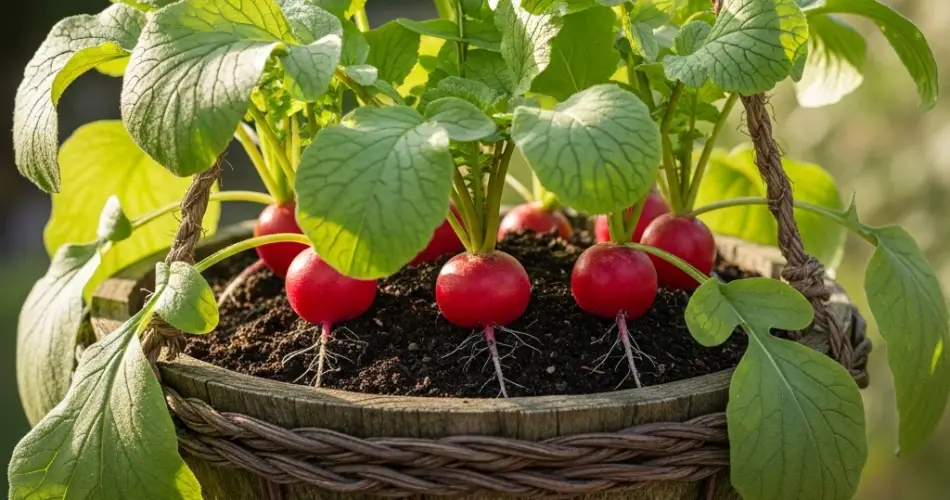
Growing tomatoes in your own garden is incredibly rewarding, but not everyone has access to a backyard or large garden bed. For urban gardeners, balcony dwellers, or small-space enthusiasts, hanging basket gardens provide an excellent solution for cultivating juicy, flavorful tomatoes. With proper care, these elevated containers allow tomatoes to thrive, producing abundant fruit while maximizing limited space.
Hanging baskets offer several benefits for tomato cultivation. Elevated containers improve air circulation, reduce exposure to ground pests, and allow excess water to drain efficiently. By growing tomatoes in baskets, you can enjoy fresh, homegrown produce while adding a decorative and vibrant touch to your balcony or patio.
Why Hanging Baskets Are Ideal for Tomatoes
Tomatoes are well-suited to hanging containers due to the following advantages:
-
Space efficiency: Hanging baskets make use of vertical space, perfect for small patios, balconies, or terraces.
-
Drainage: Elevated baskets prevent waterlogging, which can cause root rot and other diseases.
-
Pest protection: Growing above the ground reduces exposure to slugs, snails, and soil-dwelling pests.
-
Aesthetic appeal: Cascading tomato plants with vibrant red fruits create a visually appealing display.
These benefits make hanging baskets both a practical and attractive solution for growing tomatoes in limited spaces.
Choosing the Right Hanging Basket
The right basket is crucial for tomato growth and fruit production:
-
Size: Choose a basket at least 12 inches deep and 12–16 inches wide to provide enough space for root expansion.
-
Material: Plastic, wire, or woven baskets lined with coconut coir, moss, or burlap work well. Linings retain soil while allowing proper drainage.
-
Support: Ensure the hanging chains, hooks, or brackets are sturdy enough to support the combined weight of soil, water, and mature plants.
-
Drainage: Adequate drainage holes prevent water accumulation, keeping roots healthy.
A sturdy, well-chosen basket promotes strong growth and helps prevent problems like root rot.
Preparing Soil
Healthy soil is essential for productive tomatoes in baskets:
-
Lining: Line the basket with coconut coir, moss, or burlap to retain soil while allowing excess water to escape.
-
Drainage layer: Add a thin layer of gravel or small stones at the bottom to improve drainage.
-
Soil mix: Use a well-draining potting mix enriched with compost. Adding perlite or vermiculite improves aeration and prevents soil compaction.
Proper soil preparation ensures strong root development, healthy foliage, and abundant fruit production.
Planting Tomatoes
Tomatoes can be grown from seedlings or small transplants:
-
Spacing: Place one tomato plant per basket to allow room for roots to expand and foliage to grow.
-
Planting depth: Plant seedlings slightly deeper than they were in their original container, covering part of the stem to encourage additional root growth.
-
Watering: Keep soil consistently moist until plants establish. Once established, water regularly to maintain even soil moisture.
Selecting compact or determinate tomato varieties is ideal for hanging baskets, as these varieties are naturally smaller and more suited to container growth.
Sunlight and Temperature
Tomatoes thrive in full sunlight and moderate temperatures:
-
Sunlight: Provide at least 6–8 hours of direct sunlight daily.
-
Temperature: Ideal growing temperatures range from 65–85°F (18–29°C).
-
Placement: Position baskets in a sunny, protected spot to prevent damage from strong winds.
Adequate sunlight ensures strong stems, healthy leaves, and sweet, juicy fruit.
Watering and Care
Consistent care is essential for basket-grown tomatoes:
-
Watering: Check soil daily and water thoroughly when the top inch feels dry. Avoid waterlogging.
-
Fertilizing: Apply a balanced, diluted liquid fertilizer every 2–3 weeks or use organic alternatives like compost tea.
-
Pruning: Remove any dead leaves and excess shoots to encourage airflow and reduce disease risk.
-
Mulching: Add a thin layer of straw or shredded leaves to retain moisture and regulate soil temperature.
Regular attention ensures healthy plants, steady growth, and maximum fruit production.
Harvesting Tomatoes
Tomatoes are usually ready to harvest 60–85 days after planting, depending on the variety:
-
Pick at full ripeness: Harvest when fruits are fully colored, firm, and slightly soft to the touch.
-
Method: Gently twist or snip tomatoes from the vine to avoid damaging the plant.
-
Continuous harvest: Regular picking encourages more flowering and fruiting.
Timely harvesting ensures sweet, juicy tomatoes with optimal flavor.
Common Challenges
-
Pests: Aphids, whiteflies, and spider mites can affect growth. Use natural sprays or insecticidal soap as needed.
-
Diseases: Fungal issues like powdery mildew and blight can occur in humid conditions. Maintain good airflow and avoid wetting foliage.
-
Watering problems: Uneven watering can cause splitting or blossom-end rot. Maintain consistent soil moisture.
Monitoring plants and adjusting care keeps tomatoes healthy and productive.
Final Thoughts
Growing tomatoes in hanging baskets is a convenient, rewarding way to enjoy fresh, homegrown produce even in small spaces. By selecting the right basket, preparing nutrient-rich soil, providing consistent care, and harvesting at the proper time, you can enjoy juicy, flavorful tomatoes directly from your balcony or patio.
This method maximizes vertical space while creating a productive and decorative feature. With proper sunlight, watering, and attention, basket-grown tomatoes can provide a steady supply of nutritious, homegrown fruit throughout the growing season.


