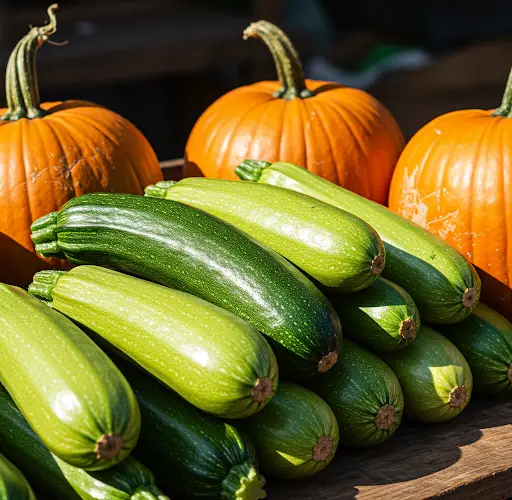
If you grow zucchini or pumpkins and have never been able to get fruit, you’re not alone. They grow and develop beautifully, but don’t bear the most important thing—the fruit! If you’ve ever wondered why this happens, keep reading to find out the possible causes and what you can do to fix it.
Pumpkin plants are known for their sprawling vines and beautiful foliage, but to bear fruit, there’s a key process that needs to happen: pollination. In this article, I’ll walk you through the essential steps to ensure your pumpkin plants can bear fruit, and I’ll explain what you need to do if your plant isn’t getting the pollination it needs.
Firstly, it’s important to know that pumpkin plants have two types of flowers: male and female. These two flowers need to interact for pollination to occur. But how do you know which flower is male and which is female? Here’s the key difference: male flowers grow on thin, long stems, while female flowers are closer to the base of the plant and have a small, immature fruit (the pumpkin itself) attached beneath the flower.
The male flower will open and release pollen, while the female flower will wait for this pollen to reach it. If you have bees or other pollinators around, they will usually take care of this job. They’ll fly from the male flower to the female flower, transferring the pollen in the process. This is the natural method of pollination.
However, what happens if you don’t have enough pollinators in your garden, or if your pumpkins are growing indoors, where insects might not be able to reach them? Don’t worry—there’s a simple solution. You can act as the pollinator!
To manually pollinate your pumpkin flowers, you’ll need a small tool, such as a cotton swab or a toothpick. Start by locating a male flower, which will have pollen inside. Gently open the male flower and collect some of the pollen with your cotton swab or toothpick. Next, go to the female flower, which will have the tiny pumpkin fruit at the base. Carefully transfer the pollen from the male flower to the female flower, making sure it touches the pistil at the center of the female flower.
This process mimics what bees or other insects would do in nature. After transferring the pollen, the female flower will close, and you should start to see fruit development shortly after.
If you’re having trouble with the pollination process or your pumpkins don’t seem to be growing after the pollination, there could be other factors at play. One of the most common reasons for pumpkin plants not producing fruit is inadequate pollination. As mentioned, without the right insects or manual intervention, the flowers won’t be fertilized, and the fruit won’t develop. Another reason could be improper watering.
Pumpkin plants love water, but they don’t thrive in overly soggy soil. Ensure your pumpkin plant gets enough water to keep the soil consistently moist, but not flooded. When watering, try to keep water off the leaves to prevent fungal diseases, which can damage your plant and hinder fruit production.
Pumpkins also need plenty of sunlight to thrive, so make sure your plants are getting enough light—at least six hours of full sunlight a day. While pumpkin plants can tolerate some shade, they perform best in bright, sunny spots.
So, if you want to ensure that your pumpkins grow and produce fruit, remember these key tips:
-
Pollinate manually if needed: Use a cotton swab or toothpick to transfer pollen from the male flower to the female flower. This will increase your chances of getting fruit.
-
Provide adequate watering: Water the pumpkin plants regularly, ensuring the soil remains moist, but not waterlogged.
-
Ensure plenty of sunlight: Your pumpkin plants need at least six hours of sunlight daily to produce the best results.
-
Give your pumpkins room to grow: If you’re planting pumpkins in a container, make sure it’s large enough to accommodate their expansive vines.
By following these steps and paying attention to pollination, you’ll increase your chances of having a healthy, productive pumpkin plant that produces beautiful, delicious pumpkins for you to enjoy. It’s a simple process, but it can make all the difference in getting that perfect pumpkin!
Don’t give up if your pumpkins aren’t producing right away—just make sure you’re taking care of the pollination and other growth requirements, and soon you’ll be enjoying the fruits of your labor. Happy gardening!


