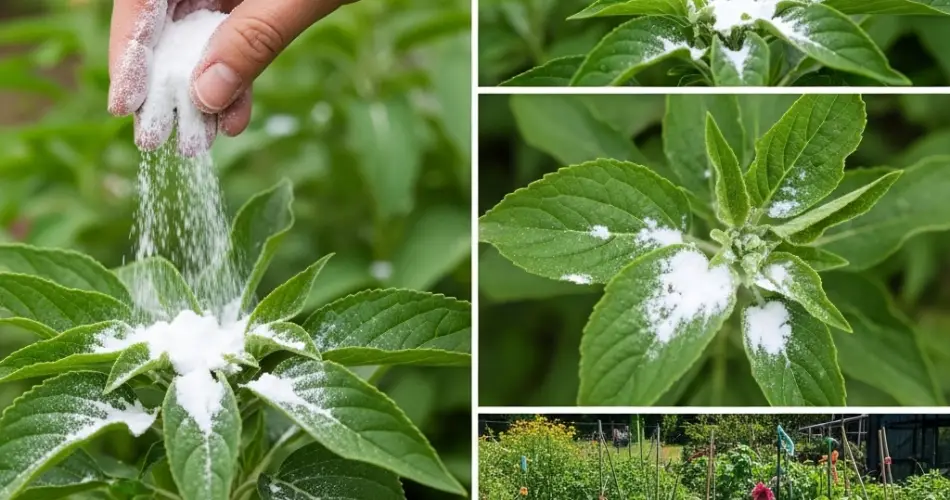
Baking soda, also known as sodium bicarbonate, is a common household item often praised for its versatility in cleaning, deodorizing, and even gardening. For many home gardeners, it seems like a miracle ingredient—used to deter pests, prevent fungal diseases, and freshen up compost piles. But is it truly safe for your plants?
The answer is: yes, baking soda can be safe and effective for plant care—but only when used properly. Misuse or overuse can lead to leaf damage, soil imbalance, and reduced plant health. This article breaks down the benefits, potential risks, and essential dos and don’ts when using baking soda in your garden.
Benefits of Baking Soda in the Garden
When applied correctly, baking soda can offer several advantages for both ornamental and edible plants:
-
Fungal Control
Baking soda can help prevent and slow the spread of common fungal issues like powdery mildew, black spot, and rust. It works by increasing the pH on the leaf surface, creating an inhospitable environment for fungal spores to survive and reproduce. -
Mild Pest Deterrent
While not a strong pesticide, baking soda mixed with other ingredients (like oil or soap) can irritate soft-bodied insects such as aphids or spider mites and discourage them from feeding on treated plants. -
Odor Control in Compost
A small sprinkle of baking soda can help neutralize sour smells in compost bins without disrupting the microbial balance when used sparingly. -
Cleaning Produce
After harvesting, baking soda is an effective natural cleaner for washing dirt and residue off fruits and vegetables.
The Risks of Using Baking Soda on Plants
Although baking soda has several benefits, improper application can cause harm:
-
Leaf Burn
Sodium bicarbonate can be abrasive to leaves, especially in high concentrations or under direct sunlight. This may lead to browning or curling at the edges. -
Soil Imbalance
Baking soda is alkaline, and overuse can raise soil pH. Most plants prefer slightly acidic to neutral soil, so this shift can interfere with nutrient uptake. -
Sodium Buildup
Sodium is not a nutrient most plants need in large amounts. Accumulated sodium in the soil can inhibit water absorption and hinder plant growth. -
Damage to Tender Plants
Young seedlings, soft-leaved ornamentals, and ferns are particularly sensitive to sprays containing baking soda and may suffer visible damage if treated improperly.
Dos: Safe Ways to Use Baking Soda in the Garden
To get the most out of baking soda while avoiding its pitfalls, follow these best practices:
-
Dilute Properly
Always dilute baking soda when applying it to plants. A standard spray mixture includes:-
1 tablespoon baking soda
-
1 liter (4 cups) of water
-
Optional: 1 tablespoon vegetable oil and 1 teaspoon liquid soap for better leaf adhesion.
-
-
Test First
Before treating an entire plant, spray a small area and observe for 24–48 hours. If the plant shows no adverse reactions, proceed with wider application. -
Apply During Cool Hours
Spray early in the morning or late in the afternoon to avoid sunlight interacting with the solution, which can cause leaf burn. -
Target Disease-Prone Plants
Focus on plants that are commonly affected by powdery mildew or black spot, such as roses, cucumbers, squash, and tomatoes. -
Limit Frequency
Use baking soda sprays no more than once a week, and stop once symptoms subside to avoid overexposure.
Don’ts: Mistakes to Avoid with Baking Soda
-
Don’t Use Undiluted Baking Soda on Plants
Sprinkling baking soda directly onto leaves or soil can cause salt buildup and damage plant tissues. -
Don’t Overapply
Even diluted, too frequent use of baking soda can raise soil alkalinity and harm beneficial microbes. -
Don’t Mix with Acidic Substances
Avoid combining baking soda with vinegar or lemon juice in plant applications. These reactions can neutralize any benefit and may harm your plants. -
Don’t Use on All Plants
Avoid using baking soda on plants with delicate foliage or those that thrive in acidic soils, such as blueberries, azaleas, and rhododendrons. -
Don’t Use in Dry Conditions
Applying baking soda during dry spells or when plants are water-stressed can increase the risk of leaf damage.
Plants That Respond Well to Baking Soda Spray
When applied correctly, baking soda can be especially helpful for:
-
Roses – for black spot and powdery mildew
-
Squash and zucchini – for powdery mildew prevention
-
Tomatoes and peppers – for early blight management
-
Cucumbers and melons – prone to mildew and leaf spot diseases
-
Grapevines – helps control fungal spread on leaves
Final Thoughts
Baking soda is a valuable natural remedy for home gardeners—when used wisely. It offers safe and effective treatment for fungal diseases and mild pest issues, but improper use can do more harm than good. Always follow dilution guidelines, apply during the right conditions, and be selective about which plants you treat.
In moderation, baking soda is a gentle ally in your organic gardening toolkit. Use it as part of a balanced plant care routine, and you’ll enjoy healthier, more resilient plants without resorting to harsh chemicals.


