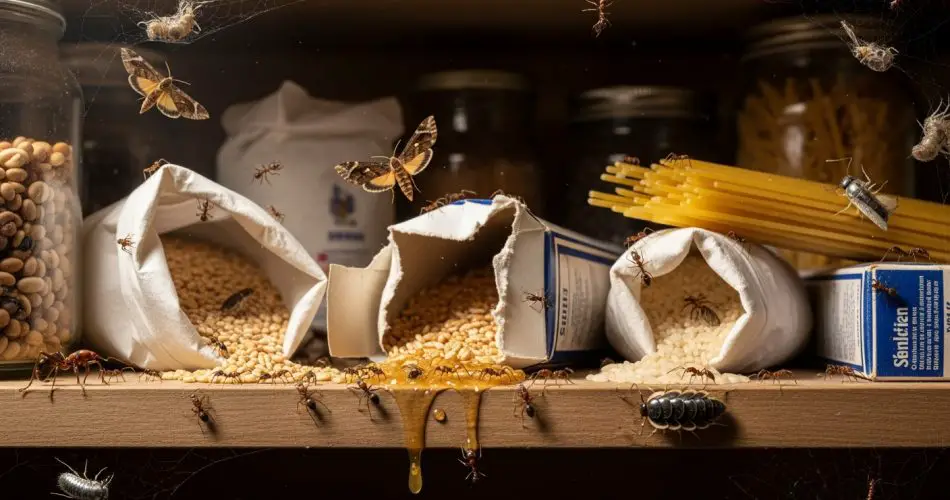
Finding insects in your pantry can be an unpleasant surprise—especially when they invade your stored food. These tiny intruders, such as pantry moths, flour bugs, and larvae, not only contaminate your food but also pose potential health risks. Once they’ve made themselves at home, you must act quickly to remove them and prevent their return.
Fortunately, there are natural, chemical-free methods—some inspired by old-fashioned household wisdom—that can help you get rid of pantry pests effectively. With a few cleaning steps and some aromatic ingredients you likely already have at home, you can keep your pantry fresh, clean, and insect-free.
Understanding Pantry Pests and Why They Appear
Pantry insects such as flour moths, weevils, and beetles are drawn to dry food products like pasta, rice, flour, sugar, cereal, nuts, and breadcrumbs. They are especially attracted to unsealed packages or food residues that emit strong scents.
Once inside, these insects reproduce quickly—laying eggs in corners, cracks, or even directly inside food containers. When larvae hatch, they feed on the stored food, contaminating it with bacteria and waste. If left untreated, an infestation can spread to other parts of the kitchen.
The first rule of prevention is cleanliness and regular inspection. However, if you’ve already noticed insects in your pantry, don’t panic. Here’s what to do step-by-step.
Step 1: Empty the Pantry and Identify the Source
The first step to eliminating pantry insects is to remove all food items from your cupboards. As you empty the shelves, examine each package carefully. Discard anything that shows signs of contamination—tiny holes, webbing, larvae, or moving insects are clear indicators.
Even sealed packages can sometimes harbor pests, as the insects are small enough to crawl through narrow gaps or packaging seams. So, inspect everything thoroughly.
Pay special attention to the corners and crevices of your pantry—these are favorite hiding spots for eggs and larvae. Insects often lay eggs where it’s dark and undisturbed, so check the undersides of shelves and the back of the cabinet.
Once all items have been removed and the contaminated products disposed of safely, it’s time for a deep clean.
Step 2: Deep Clean the Pantry
After emptying your pantry, clean it thoroughly to remove any remaining insects, eggs, or bacteria. Avoid using chemical disinfectants, which could leave harmful residues near your food. Instead, opt for a natural homemade cleaner that’s both effective and safe.
The best natural cleaning solution is made with white vinegar and water. Mix equal parts vinegar and water in a spray bottle, shake well, and spray the interior of your pantry—including corners, walls, and shelves.
Vinegar has antibacterial and deodorizing properties, which help disinfect and eliminate any microorganisms left behind. Wipe everything with a clean cloth or sponge, rinse if needed, and dry the surfaces with a microfiber towel to prevent moisture buildup.
Once your pantry is clean and completely dry, you can begin organizing it again—but with some smart storage adjustments to prevent future infestations.
Step 3: Store Food Properly
To avoid attracting insects, always store dry foods such as pasta, flour, rice, and cereals in airtight glass or metal containers. Plastic bags and boxes often fail to keep pests out. Transparent glass jars also allow you to easily spot any early signs of contamination.
Avoid leaving open packages in the pantry, as the smell of food attracts insects. Keep your shelves tidy, regularly remove crumbs, and clean the area at least once a month.
With your pantry clean and organized, you can add a few natural repellents that will keep insects from coming back.
Step 4: Use Natural Remedies to Repel Pantry Insects
Grandmothers have been using natural scents and household ingredients to repel insects for generations. Here are some of the most effective natural deterrents you can use in your pantry:
1. Lemon
Citrus scents are unpleasant to most insects. Cut a few slices of fresh lemon and place them on a small plate or directly on the shelves inside your pantry. Replace the slices once they dry out. The refreshing aroma will not only keep insects away but also leave your pantry smelling clean and fresh.
2. Cucumber
The smell of cucumber is another natural repellent for pantry insects. Slice or chop a fresh cucumber, wrap the pieces in aluminum foil, and place them in different sections of the pantry. Replace the cucumber once it dries out or begins to wilt.
3. Bay Leaves
Bay leaves are one of the most effective natural remedies for keeping pantry pests at bay. Their strong, distinctive scent repels insects such as moths and beetles. Simply scatter a few dried bay leaves on the pantry shelves or place them inside storage jars. Remember to replace the leaves every few weeks to maintain their effectiveness.
4. Essential Oils
Essential oils are not only pleasant-smelling but also powerful natural insect repellents. Oils like peppermint, lavender, citronella, and orange are especially effective. You can use them in several ways:
-
Add a few drops to a bowl of water and place it inside your pantry.
-
Dampen a cotton ball with essential oil and leave it on the shelf.
-
Mix several drops with water in a spray bottle and lightly mist the shelves after cleaning.
The strong aroma of these oils confuses insects and drives them away.
Step 5: Monitor with Adhesive Tape
Even after thorough cleaning and applying natural remedies, it’s a good idea to keep an eye out for returning pests. A simple yet clever trick is to use double-sided adhesive tape.
Apply strips of the tape to the interior walls or corners of your pantry and leave them for a few days. If you notice small insects stuck to the tape, it’s a sign that they have returned and may be breeding again.
In that case, repeat the cleaning process and refresh your natural repellents.
Keeping Your Pantry Clean and Insect-Free
Pantry pests are persistent, but with regular maintenance and a few natural tricks, you can keep them away for good. The key is prevention—clean regularly, store food properly, and use natural repellents that make your pantry an uninviting place for insects.
These simple, eco-friendly methods protect your food from contamination, keep your kitchen hygienic, and save you from unnecessary waste. So next time you see a few pantry moths flying around, remember grandma’s timeless advice—sometimes the simplest natural remedies are the most effective.