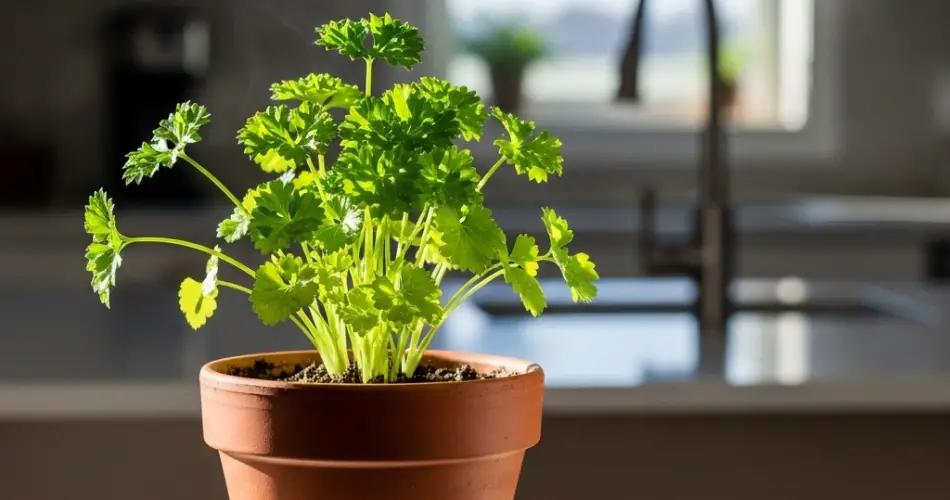
Parsley (Petroselinum crispum) is a versatile, fragrant herb that enhances countless dishes, from soups and salads to sauces and garnishes. Having fresh parsley at hand elevates home cooking, and growing it indoors in pots ensures a year-round supply of bright green leaves without the need for a full garden. Indoor container cultivation is perfect for kitchens, windowsills, and small apartments, providing convenience, freshness, and decorative appeal.
Growing parsley indoors allows precise control over light, water, and soil, resulting in healthy, vibrant plants. With the right care, container-grown parsley can flourish, offering flavorful leaves just a step away from your countertop.
Choosing the Right Container
Parsley has a relatively deep root system and requires a container that accommodates its growth. Choose a pot at least 20–25 cm (8–10 inches) deep with adequate drainage holes. Wide pots are preferable, as they allow multiple plants to grow without overcrowding.
Containers can be made of plastic, clay, or ceramic. Clay pots provide breathability for roots, while plastic containers are lightweight and easy to move to capture sunlight. A saucer beneath the pot helps catch excess water, protecting indoor surfaces.
Selecting and Preparing Soil
Parsley thrives in fertile, well-draining soil. A high-quality potting mix enriched with organic compost ensures strong, healthy growth. Avoid dense garden soil, which can compact in containers and restrict root development.
Aim for a slightly acidic to neutral soil pH of 6.0–7.0. Adding perlite or sand improves drainage and prevents water accumulation at the roots, which can lead to rot. Proper soil preparation is key to producing lush, aromatic leaves.
Planting Parsley
Parsley can be grown from seeds, seedlings, or small plants purchased from a nursery.
-
From seeds: Sow seeds about 0.5 cm deep and lightly cover them with soil. Keep the soil moist until germination, which can take 10–14 days. Parsley germinates slowly, so patience is required.
-
From seedlings: Plant young parsley plants in your container, spacing them about 10–15 cm apart. Firm the soil gently around the roots and water thoroughly.
Thinning seedlings to leave the strongest plants ensures healthy, vigorous growth. Crowded plants may produce smaller leaves and weaker roots.
Watering Indoor Parsley
Parsley prefers consistently moist soil, but it does not tolerate waterlogged conditions. Water the plant whenever the top 1–2 cm of soil feels dry. In warmer indoor environments, more frequent watering may be necessary.
Ensure proper drainage to prevent root rot. Avoid splashing water onto the leaves excessively, as damp foliage can encourage fungal growth.
Light Requirements
Parsley thrives with plenty of light. Place your pot near a bright, south-facing window that receives 6–8 hours of sunlight daily. For areas with limited natural light, supplement with a grow light to maintain steady growth and prevent leggy stems.
Adequate sunlight encourages deep green leaves and robust flavor, while insufficient light can result in slow growth and pale foliage.
Fertilizing Container Parsley
Container-grown parsley benefits from regular feeding since nutrients in pots are used up quickly. Apply a balanced liquid fertilizer every 3–4 weeks or mix slow-release organic fertilizer into the soil at planting.
Organic options such as compost or fish emulsion support steady growth and enhance leaf flavor. Avoid over-fertilizing, which can lead to rapid leaf growth with reduced aromatic quality.
Harvesting Parsley
Parsley can be harvested once the leaves are large enough to use, typically 8–10 weeks after planting. Cut outer leaves near the base, leaving inner leaves intact for continuous growth. Regular harvesting encourages new foliage and maintains a bushy plant.
Both flat-leaf and curly parsley varieties respond well to frequent trimming, providing a steady supply of fresh, flavorful leaves for cooking.
Tips for Healthy Indoor Parsley
-
Rotate pots periodically to ensure even light exposure.
-
Remove yellow or damaged leaves to promote healthy growth.
-
Keep indoor temperatures between 18–24°C for optimal growth.
-
Watch for pests such as aphids or spider mites and address issues promptly using natural remedies.
Final Thoughts
Growing parsley in indoor pots is a convenient and rewarding way to keep fresh herbs within arm’s reach. With the right container, well-draining soil, consistent watering, adequate light, and regular harvesting, your potted parsley can thrive year-round, delivering vibrant, flavorful leaves whenever you need them.
By following these care tips, indoor parsley pots provide both aesthetic appeal and practical benefits, making them an essential addition to any kitchen or small indoor garden.


