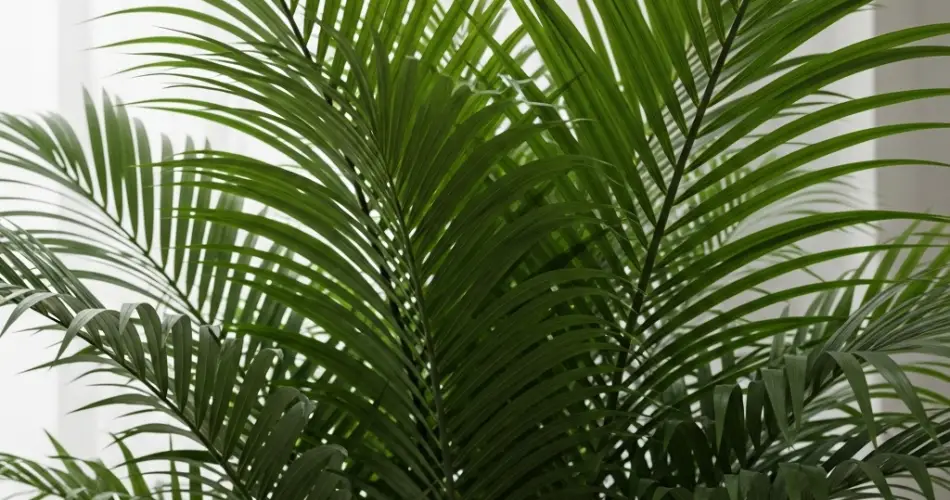
Indoor palms, especially Chamaedorea elegans (commonly known as the parlor palm) and Dypsis lutescens (known as the Areca palm), are among the most popular houseplants for good reason. Their elegant fronds bring a tropical, fresh look to any space, and they help purify the air. But despite their popularity, many people unknowingly make mistakes when caring for them indoors.
If you’re wondering how to keep your Chamaedorea or Areca palm lush, green, and thriving, this guide will walk you through everything you need to know—from light and watering to pruning and repotting.
Meet the Plants: Chamaedorea and Areca Palms
Though both are commonly referred to as “indoor palms,” they differ slightly:
-
Chamaedorea elegans (Parlor Palm): Native to Mexico and Guatemala, it has a compact growth habit and thrives in lower light. It’s one of the easiest palms to grow indoors and is pet-friendly.
-
Dypsis lutescens (Areca Palm or Butterfly Palm): Native to Madagascar, it grows in attractive clumps with arching yellow-green fronds. It prefers brighter light and grows taller and faster than Chamaedorea.
Both species bring elegance and movement to indoor spaces, and with the right care, they can live for years.
Light Requirements
Chamaedorea does well in low to medium indirect light, making it ideal for homes or offices with minimal sunlight. It should not be exposed to direct sun, which can scorch its delicate leaves.
Areca palms, on the other hand, prefer bright, filtered light. Place them near east- or south-facing windows, but keep them out of harsh midday sun. Insufficient light will cause slow growth and pale fronds.
Watering Tips
Both palms are sensitive to overwatering. Here’s how to water properly:
-
Water only when the top 2–3 cm (1 inch) of the soil feels dry.
-
Use room-temperature water and allow excess moisture to drain freely.
-
Never let the pot sit in a saucer of water, as this leads to root rot.
-
In winter, reduce watering frequency since the plant’s growth slows down.
Signs of overwatering include yellowing leaves and a soggy potting mix. Brown tips, on the other hand, can indicate underwatering or dry air.
Humidity and Temperature
Palms love humidity, especially the Areca palm. If the air in your home is dry—especially during winter months—consider the following:
-
Mist the leaves regularly with water.
-
Place a humidifier nearby.
-
Use a pebble tray with water underneath the pot (without the roots sitting in water).
Both palms prefer temperatures between 18°C and 25°C (64°F to 77°F). Keep them away from cold drafts, radiators, or air conditioners, which can cause stress and browning of the leaves.
Fertilizing
During the growing season (spring and summer), feed your palm every 4–6 weeks with a balanced liquid fertilizer diluted to half strength. Avoid overfeeding, as too much fertilizer can damage the roots and lead to salt buildup in the soil.
In autumn and winter, when the plant is dormant, stop fertilizing altogether.
Pruning and Maintenance
Palm fronds naturally yellow and die with age. Prune only the entirely brown or yellow fronds by cutting them close to the base with clean, sharp scissors. Avoid cutting just the tips, as this can cause more browning.
Do not prune the top growing point (the central stem), as this is where new growth emerges. Removing it could stunt or even kill the plant.
Dust the leaves occasionally with a soft, damp cloth to keep them clean and allow for better photosynthesis.
Repotting
Palms like to be slightly root-bound, so don’t rush to repot. Usually, repotting every 2–3 years is sufficient, preferably in spring. Choose a pot with good drainage and use a well-draining potting mix—ideally one formulated for palms or indoor tropical plants.
Common Problems and Solutions
-
Brown leaf tips: Usually caused by dry air or fluoride/chlorine in tap water. Try switching to filtered or distilled water and increase humidity.
-
Yellowing leaves: Often a sign of overwatering or poor drainage.
-
Slow growth: May result from lack of light or nutrients.
-
Pests: Watch for spider mites or mealybugs. Wipe leaves with a mild soapy water solution if needed.
A Touch of the Tropics in Your Home
With their graceful leaves and low-maintenance needs, Chamaedorea and Areca palms are ideal for creating a peaceful, tropical atmosphere indoors. As long as you provide the right balance of light, water, and humidity, these palms will reward you with lush greenery year-round.
Whether you’re decorating a living room, office, or hallway, these elegant palms are a timeless addition to any interior space.


