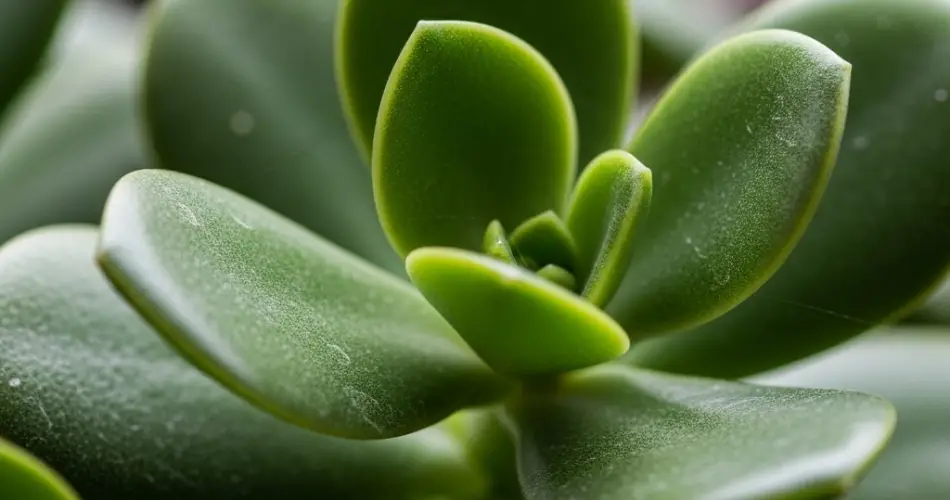
The jade plant, also known as Crassula ovata or the “money tree,” is one of the most cherished succulents around the world. With its thick, glossy, dark green leaves and tree-like structure, it adds a touch of elegance and tranquility to any home. But what many people don’t realize is that this low-maintenance beauty has special needs and a powerful symbolism — often associated with prosperity and good fortune.
If you already have a jade plant at home, consider yourself lucky. But to ensure it thrives for years, you’ll need to understand how to care for it properly — and if you’re feeling adventurous, learn how to propagate it and share its beauty with others.
Why the Jade Plant Is So Special
The jade plant is native to South Africa and Mozambique but has become a global favorite due to its resilience and symbolism. In Feng Shui, it is believed to bring wealth, good energy, and harmony into the household. Its ability to live for decades, sometimes even generations, means it’s often passed down as a living heirloom.
Apart from its symbolic value, the jade plant is also very practical. It thrives in indoor environments, requires minimal care, and can survive in drier conditions thanks to its fleshy leaves that store water. This makes it ideal for beginners or busy people who want greenery without the stress.
How to Care for a Jade Plant
Despite its hardy nature, the jade plant still requires some attention to grow healthy and strong.
1. Light:
Jade plants love sunlight. Place them in a bright spot where they can get at least 4–6 hours of indirect sunlight a day. A south- or west-facing window is usually perfect. If the plant becomes leggy or its leaves start losing their vibrant color, it’s likely not getting enough light.
2. Watering:
Overwatering is one of the biggest threats to jade plants. Allow the soil to dry out completely between waterings. During the growing season (spring and summer), you can water more frequently — about once every 10–14 days. In the dormant season (fall and winter), reduce watering to once a month or even less.
3. Soil and Pot:
Use a well-draining succulent or cactus mix. A terracotta or clay pot with drainage holes is ideal because it allows excess moisture to evaporate. Avoid plastic pots that trap water and increase the risk of root rot.
4. Temperature and Humidity:
Jade plants prefer room temperatures between 65°F and 75°F (18°C–24°C). They don’t like cold drafts or temperatures below 50°F (10°C), so keep them away from open windows in winter.
5. Fertilizing:
You can feed your jade plant once a month during the spring and summer with a diluted succulent fertilizer. Avoid fertilizing in winter when the plant is resting.
How to Propagate a Jade Plant
One of the most rewarding aspects of jade plant care is propagation. You can grow a new plant from a single leaf or stem cutting, making it a fun and sustainable way to expand your plant collection or share it with friends and family.
Propagation by Leaf:
-
Gently remove a healthy leaf from the main plant. It should come off cleanly at the base.
-
Let the leaf dry for 2–3 days until the cut end forms a callus. This helps prevent rot.
-
Place the callused end on top of dry, well-draining soil. Don’t water yet.
-
After about a week, lightly mist the soil. Roots will start forming in a few weeks, and a tiny plantlet will appear at the base.
Propagation by Stem Cutting:
-
Use a sharp, clean knife to cut a 3–4 inch stem from the main plant.
-
Let it sit in a dry, shaded place for 2–3 days to allow the cut to heal.
-
Plant the stem upright in a small pot filled with succulent soil.
-
After a week, lightly water the soil. Roots will develop within 2–4 weeks.
With time, these propagated plants will grow into mature jade plants that look just like their parent.
Final Tips
-
Rotate the plant every few weeks to ensure even growth.
-
Clean the leaves occasionally with a soft cloth to remove dust and let the plant breathe.
-
If the plant grows too large or leggy, you can prune it to maintain its shape and encourage bushier growth.
The jade plant is more than just a houseplant. It’s a symbol of endurance, luck, and timeless beauty. With just a bit of care and attention, this succulent can brighten your home for decades — and bring joy each time a new sprout emerges from your propagation efforts.


