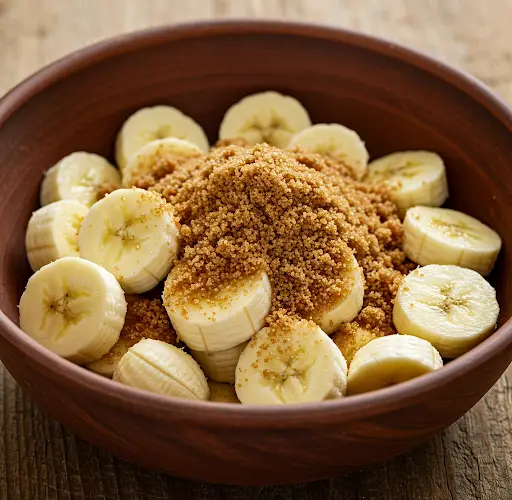
In the world of gardening, natural solutions often outperform synthetic ones—not only in plant health but also in environmental sustainability. One such solution is homemade liquid fertilizer made from overripe bananas or banana peels and brown sugar or molasses. This simple, eco-friendly fertilizer is an excellent way to nourish your plants while reducing kitchen waste. By harnessing the power of fermentation, you can create a nutrient-rich fertilizer that boosts plant growth, flowering, and fruiting.
Why Use Homemade Banana Fertilizer?
Bananas are naturally rich in potassium, a crucial nutrient for plant development. Potassium strengthens root systems, enhances plant resistance to diseases, and supports the formation of flowers and fruits. When combined with brown sugar or molasses and allowed to ferment, the banana mixture transforms into a liquid fertilizer that’s easily absorbed by plants.
This method doesn’t just feed your garden—it also turns food scraps into a valuable resource. By repurposing waste materials like banana peels, you’re creating a closed-loop system that supports both your garden and the environment.
What You’ll Need
-
Overripe bananas or banana peels
-
Brown sugar (or molasses as an alternative)
-
A clean container with a lid (preferably glass or food-grade plastic)
-
A cool, dark storage area
-
Water for dilution
-
A strainer or cheesecloth
Step-by-Step Instructions
1. Prepare the Ingredients
Start by chopping overripe bananas into small pieces. If you’re using banana peels, you can skip the chopping and place them directly into the container. Both the fruit and the peel contain valuable nutrients, so either option works well.
2. Layer the Mixture
In your container, add a layer of banana pieces or peels, followed by a layer of brown sugar. Continue alternating between banana and sugar until the container is full or you’ve used up your ingredients. The sugar plays a vital role in drawing moisture out of the bananas, which initiates the fermentation process.
If using molasses, mix it with the banana in a 1:1 weight ratio instead of layering. Stir well to evenly coat the banana pieces.
3. Mix Thoroughly and Store
Once all ingredients are layered or mixed, stir them thoroughly to combine. Seal the container with a lid, but don’t make it airtight—gasses produced during fermentation need a way to escape. Store the container in a cool, dark place for about two weeks. This slow fermentation helps to break down the banana and sugar mixture, releasing nutrients into the liquid.
During the fermentation period, stir the mixture every few days. This helps promote even fermentation and prevents mold from forming on the surface.
4. Strain the Liquid
After two weeks, you’ll notice a rich liquid forming at the bottom of the container. This is your fermented fertilizer. Strain the liquid into a clean container using a fine mesh strainer or cheesecloth to separate the solids. The remaining solids can be composted or buried in the garden as additional organic matter.
5. Dilute Before Use
This fertilizer is highly concentrated and must be diluted before applying to plants. A good dilution ratio is 1 part liquid fertilizer to 10 parts water. For example, mix half a liter of the banana fertilizer with about 5 gallons (roughly 19 liters) of water. This creates around 15–20 liters of plant-ready fertilizer.
How and When to Use It
This homemade liquid fertilizer can be used on a wide variety of plants, including flowering plants, fruit trees, vegetables, and even indoor plants. Apply it directly to the soil around the base of the plants or use it as a gentle foliar spray. Watering with this fertilizer once every 10 to 14 days during the growing season will provide a consistent supply of essential nutrients.
Because it is potassium-rich, it’s especially beneficial during flowering and fruiting stages, helping to improve bloom quantity and fruit quality. It also supports overall plant health by encouraging strong stems and disease resistance.
Benefits of Banana-Based Fertilizer
-
Eco-friendly: Reduces kitchen waste and reliance on synthetic fertilizers
-
Nutrient-rich: High in potassium and micronutrients essential for plant growth
-
Cost-effective: Uses readily available household ingredients
-
Gentle on plants: Suitable for young seedlings and mature plants alike
-
Easy to make: Requires minimal tools and effort
Final Thoughts
Creating your own liquid fertilizer at home using bananas and brown sugar is a practical and sustainable gardening technique. It provides your plants with essential nutrients, enhances their health, and helps improve yields—all while reducing waste. Whether you’re an experienced gardener or just starting out, incorporating this natural fertilizer into your routine is a step toward a greener, more productive garden.


