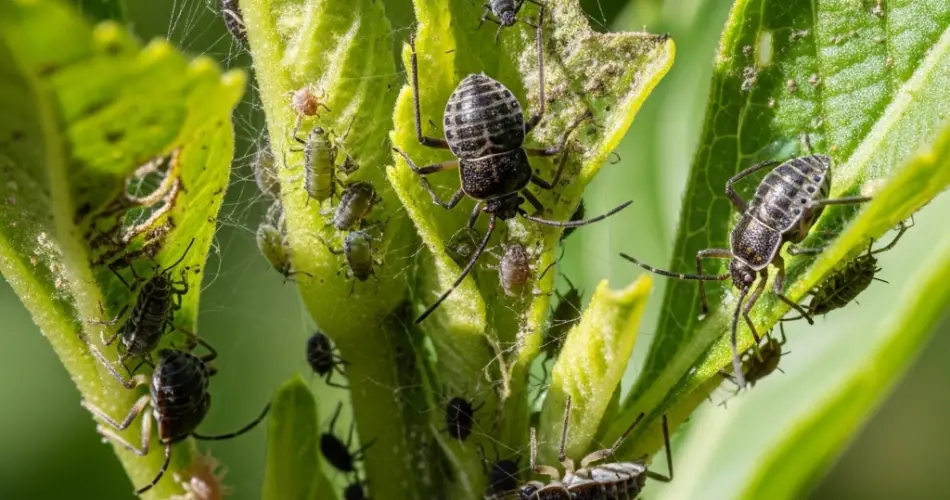
Garden pests and insects can quickly ruin the beauty and health of your plants. From aphids and spider mites to whiteflies and caterpillars, these tiny invaders not only damage leaves and stems but also spread diseases that weaken plants and reduce yields. Many commercial insecticides are costly, contain harsh chemicals, and can harm beneficial insects and the environment.
But what if there was a simple, cost-free way to protect your plants from a wide variety of pests naturally? The good news is—you can make an effective homemade insecticide with ingredients you likely already have at home. This article shares a powerful, easy-to-make, and environmentally friendly recipe to keep your garden pest-free without spending a dime.
Why Use Homemade Insecticides?
Homemade insecticides offer several advantages over commercial pesticides:
-
Safe and Non-Toxic: They are generally safe for humans, pets, and beneficial insects like bees and ladybugs.
-
Cost-Effective: You can make them using common household ingredients, saving money.
-
Environmentally Friendly: Homemade insecticides avoid harmful chemicals that can pollute soil and water.
-
Easy to Prepare and Apply: Recipes use simple mixing techniques and can be applied with a spray bottle.
Ingredients for the Homemade Insecticide
This homemade insecticide uses natural ingredients that repel and kill a broad range of garden pests:
-
Water: The base liquid for dilution.
-
Liquid Dish Soap or Castile Soap: Acts as a surfactant, breaking down pest exoskeletons and helping the solution stick to leaves. Use a mild, biodegradable soap without additives or fragrances.
-
Vegetable Oil or Olive Oil: Coats and suffocates soft-bodied insects like aphids and mites.
-
Garlic and Chili (Optional but Effective): Add natural repellents with strong odors and irritating compounds to pests.
How to Make Your Homemade Insecticide
Basic Recipe:
-
1 liter (4 cups) of water
-
1 tablespoon of liquid dish soap
-
1 tablespoon of vegetable or olive oil
Mix the soap and oil into the water thoroughly. Pour the solution into a spray bottle.
Enhanced Recipe with Garlic and Chili:
-
1 liter of water
-
1 tablespoon liquid dish soap
-
1 tablespoon vegetable oil
-
3-4 cloves of garlic, minced or crushed
-
1 small chili pepper, chopped (adjust to tolerance)
Combine the garlic and chili with water in a blender and blend until smooth. Let the mixture sit for an hour to infuse, then strain to remove solids. Add the soap and oil, stir well, and pour into a spray bottle.
How to Apply the Homemade Insecticide
-
Test First: Spray a small amount on one or two leaves of the plant. Wait 24 hours to check for any adverse reaction or leaf damage. If safe, proceed to spray the entire plant.
-
Target Pests Directly: Spray both the tops and undersides of leaves where pests often hide.
-
Apply in the Early Morning or Late Afternoon: Avoid spraying under direct sunlight to prevent leaf burn.
-
Repeat Every 5-7 Days: Consistent application helps control pests before they multiply. After heavy infestations, you may need to spray more frequently.
-
Wash Off Residue: If you notice residue buildup, rinse plants with clean water after a few days.
Which Pests Does This Homemade Insecticide Control?
This versatile homemade insecticide works effectively against:
-
Aphids
-
Spider mites
-
Whiteflies
-
Mealybugs
-
Scale insects
-
Thrips
-
Caterpillars and larvae of various pests
-
Fungus gnats
The soap breaks down the protective coating of these insects, while the oil smothers them. Garlic and chili add repellent qualities that discourage feeding and egg-laying.
Additional Natural Pest Control Tips
-
Encourage Beneficial Insects: Ladybugs, lacewings, and parasitic wasps prey on many garden pests and can be attracted by planting nectar-rich flowers.
-
Keep Plants Healthy: Strong, well-watered plants are less vulnerable to pests.
-
Remove Infested Leaves: Prune heavily infested parts to reduce pest populations.
-
Rotate Crops: In vegetable gardens, rotate planting areas to disrupt pest life cycles.
-
Use Physical Barriers: Nets, collars, or row covers help keep larger pests away.
When Not to Use Homemade Insecticides
-
On delicate seedlings or very young plants without testing first.
-
During extreme heat or direct midday sun to avoid leaf damage.
-
If plants are already stressed or diseased, as it might worsen their condition.
Final Thoughts
Protecting your plants from pests doesn’t have to be expensive or rely on harsh chemicals. This homemade insecticide made from simple, natural ingredients is a powerful and safe option that can eliminate a wide range of pests effectively. By using it wisely and consistently, you can keep your garden healthy, vibrant, and free from harmful bugs.
Experiment with this natural insecticide and enjoy pest-free plants all year round—all without spending any money!


