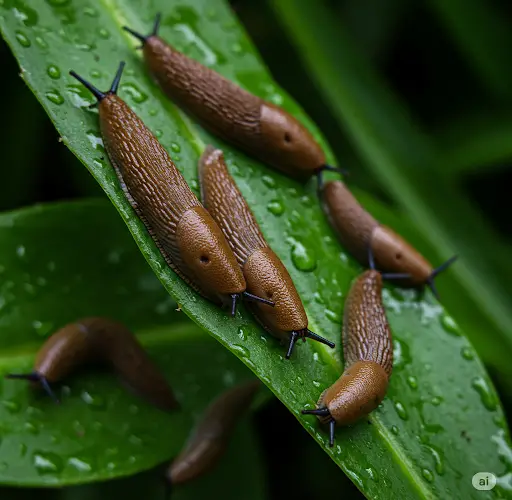
Slugs are among the most frustrating garden pests. They appear overnight, silently destroying seedlings, leaves, and even fruits. But while many turn to chemical pellets and poisons, there are safer, natural ways to deal with slugs effectively—without harming your plants, soil, or beneficial insects.
In this article, you’ll discover three simple, proven methods to get rid of slugs without using any chemicals. These strategies have helped countless gardeners eliminate slug infestations and prevent them from coming back.
Why Avoid Chemicals?
Chemical slug pellets may be effective, but they often come with a price. Many contain substances harmful to pets, wildlife, and even the soil’s ecosystem. Birds, hedgehogs, and other slug predators can suffer after consuming poisoned slugs. Additionally, chemical residues may build up in the soil over time, affecting its fertility and health.
For a safer and more sustainable solution, natural slug control methods are the way to go. They’re easy to implement, safe for organic gardens, and just as effective when done consistently.
1. Create Natural Barriers
Slugs move by gliding along a layer of mucus, which allows them to slide over smooth surfaces. When they encounter rough, dry, or sharp textures, they stop or turn away. You can take advantage of this by creating natural barriers around vulnerable plants.
Effective Barrier Materials:
-
Crushed eggshells: Dry and sprinkle around the base of your plants. The jagged edges deter slugs.
-
Wood ash or fireplace ash: A dry, alkaline material that slugs dislike crawling over.
-
Coffee grounds: Not only do they act as a physical barrier, but the caffeine also repels slugs.
-
Coarse sand or diatomaceous earth: Both create an unpleasant surface for slugs to travel across.
Tips for Use:
-
Apply barriers in a thick, unbroken ring around each plant.
-
Reapply after heavy rain or watering, as moisture reduces effectiveness.
-
Combine different materials for enhanced protection.
This method is especially useful for seedlings, lettuce, cucumbers, and strawberries—plants slugs love.
2. Set Up Traps That Actually Work
Slugs are nocturnal and prefer damp, dark hiding spots. By setting traps that mimic these conditions, you can catch and remove them without poison.
Two of the Most Effective Traps:
Beer Trap
Slugs are attracted to the scent of yeast. A beer trap takes advantage of this:
-
Bury a shallow container (like a yogurt cup or jar lid) so the rim is level with the soil.
-
Fill it halfway with beer or a mixture of yeast, sugar, and warm water.
-
Slugs will crawl in overnight and drown.
Bonus Tip: Place traps away from your plants to lure slugs away from your crops.
Pot or Board Trap
-
Lay down a broken terracotta pot, wooden board, or a piece of cardboard near infested areas.
-
In the morning, check underneath—slugs will have gathered there for shelter.
-
Remove and dispose of them as you see fit (relocate or destroy).
These passive traps are simple and chemical-free, and they work consistently when used daily.
3. Encourage Natural Predators
Sometimes the best defense against slugs is letting nature take its course—by inviting their natural enemies into your garden.
Common Slug Predators:
-
Hedgehogs (if native to your region)
-
Birds (especially thrushes and blackbirds)
-
Frogs and toads
-
Ground beetles
-
Ducks or chickens (in managed gardens)
How to Attract Them:
-
Add a shallow water dish and low-growing shrubs to create a frog- and toad-friendly habitat.
-
Avoid using pesticides, which harm slug predators.
-
Install bird feeders or a birdbath to invite birds to stay near your garden.
-
Leave a small, wild corner of your garden as a refuge for beneficial creatures.
By increasing biodiversity in your garden, slugs naturally become less of a problem as predator populations increase.
Bonus Tip: Water Wisely
Slugs thrive in moist environments, especially in the evening. To make your garden less attractive:
-
Water in the morning instead of the evening.
-
Avoid overwatering, especially around slug-prone plants.
-
Improve soil drainage to reduce damp conditions.
A drier garden surface at night means fewer slugs roaming in the dark.
Final Thoughts
Slugs can be a persistent problem, but you don’t need harsh chemicals to control them. These three natural methods—barriers, traps, and predators—work together to reduce slug populations effectively and safely. With consistency and care, you can protect your plants and enjoy a healthy, chemical-free garden all season long.
Say goodbye to shredded leaves and slug-damaged crops—your garden can thrive slug-free, the natural way.


