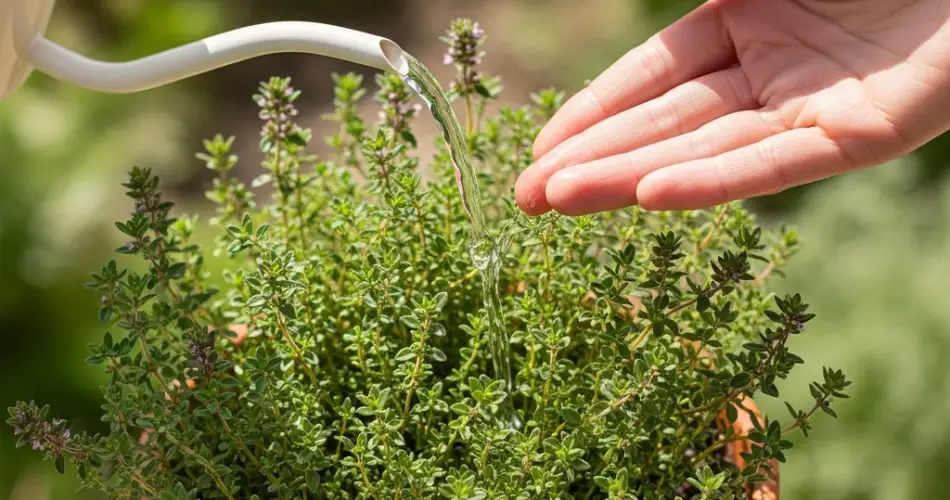
Thyme is a hardy and aromatic Mediterranean herb, popular for its culinary value and attractive appearance in gardens and containers. While thyme is relatively easy to grow, one common mistake gardeners make is overwatering. Unlike thirstier herbs, thyme thrives in drier conditions, and too much moisture can lead to one of its biggest threats—root rot.
To keep your thyme healthy, flavorful, and productive, it’s essential to understand its watering needs and how to prevent excessive moisture from causing harm. Here’s a detailed guide on how to water thyme the right way and avoid root rot altogether.
Why Thyme Needs Careful Watering
Native to arid climates, thyme has evolved to grow in poor, rocky, and well-drained soils. Its small, leathery leaves are adapted to conserve water, and the roots dislike being constantly wet. When thyme sits in overly moist soil for too long, it becomes vulnerable to root rot—a fungal disease that can quickly kill the plant.
Overwatering is the most common cause of thyme decline, especially in containers or humid climates where drainage is limited. By learning to water wisely, you’ll ensure strong growth, extended harvests, and a thriving plant.
Signs of Overwatering and Root Rot
Before adjusting your watering habits, it helps to know what overwatering looks like. Watch for these symptoms:
-
Yellowing or drooping leaves
-
Mushy or blackened roots
-
Musty or sour smell from the soil
-
Stunted growth
-
Soil that stays damp for days after watering
If your thyme shows any of these signs, reduce watering immediately and check the roots. In advanced cases of root rot, you may need to trim off affected roots and repot the plant in fresh, dry soil.
How Often to Water Thyme
The ideal watering frequency for thyme depends on factors like climate, container size, and soil type. Here are general guidelines:
In the Ground:
-
Water every 7 to 10 days during dry spells.
-
Let the top 1–2 inches of soil dry out between waterings.
-
During rainy seasons, you may not need to water at all.
In Containers:
-
Water when the top inch of soil feels dry to the touch.
-
Avoid watering on a fixed schedule; instead, check the soil regularly.
-
In hot weather, container thyme may need water every 3–5 days, but always verify dryness first.
Thyme prefers being slightly underwatered rather than overwatered. A drought-tolerant herb, it can bounce back more easily from dryness than from rot.
The Best Watering Technique
Proper watering isn’t just about timing—it’s also about method.
-
Water at the base of the plant to avoid wetting the foliage.
-
Use a gentle stream to avoid disturbing the roots or compacting the soil.
-
Water deeply but infrequently to encourage the roots to grow downward.
-
Avoid watering during the evening when cooler temperatures increase the risk of fungal issues.
For container plants, allow excess water to drain freely from the bottom of the pot. Never let the pot sit in a saucer of stagnant water.
Soil and Drainage Tips to Prevent Root Rot
The soil you use plays a crucial role in thyme’s health. Even if you water correctly, poorly draining soil can lead to rot. Here’s how to set thyme up for success:
-
Use a sandy or gritty soil mix—a cactus or Mediterranean herb blend works well.
-
Mix in perlite or coarse sand to improve drainage.
-
Avoid using moisture-retentive potting mixes rich in peat or compost.
-
Ensure containers have drainage holes at the bottom.
If you’re growing thyme in the ground, consider planting it on a sloped area or raised bed to enhance natural drainage.
Environmental Factors That Affect Watering
Several external conditions influence how often you should water thyme:
-
Humidity: In humid climates, water less frequently.
-
Wind and heat: Increase water loss, especially in pots—check soil more often.
-
Sunlight: Thyme grown in full sun dries out faster and may need more frequent watering than shaded plants.
Monitoring these variables helps fine-tune your watering routine and keep thyme thriving year-round.
Mulching Thyme (Use Sparingly)
While mulch helps retain moisture and suppress weeds, thyme doesn’t need much of it. If you use mulch:
-
Apply a very thin layer (1 inch or less) of gravel or straw.
-
Keep mulch away from the plant’s crown to avoid trapping moisture around the base.
-
Avoid heavy organic mulches that hold water, such as bark or thick compost layers.
Final Thoughts
Thyme is one of the easiest herbs to grow, but it demands well-drained soil and cautious watering to avoid root rot. By giving thyme what it naturally prefers—dry roots and bright sunlight—you can enjoy healthy, fragrant plants that last season after season.
Check the soil before watering, let it dry out between drinks, and ensure drainage is excellent. With these simple habits, your thyme will remain a low-maintenance, high-reward herb that adds flavor to your cooking and beauty to your garden.


