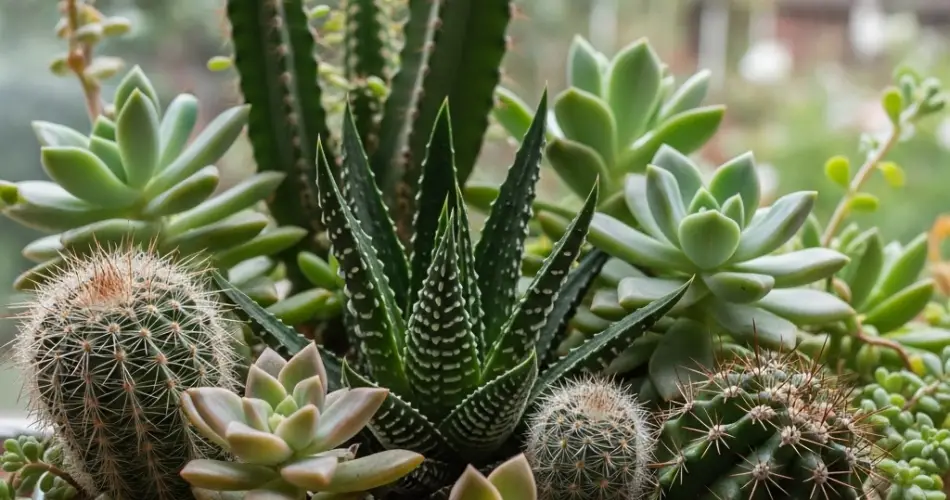
Succulents and cacti are among the most popular houseplants thanks to their unique shapes, resilience, and low-maintenance nature. However, despite their reputation for being “easy,” many people still struggle with the most basic aspect of their care: watering.
Too much water can rot the roots and kill the plant. Too little water can lead to shriveled leaves and stunted growth. So how do you strike the right balance? The secret lies not only in how often you water, but how you water. When done correctly, your succulents and cacti will thrive—and you might be surprised at just how little effort it takes.
Here’s everything you need to know about watering these drought-tolerant beauties, especially in pots.
Understanding the Needs of Succulents and Cacti
Succulents and cacti are adapted to arid environments. They store water in their leaves, stems, and roots, allowing them to survive dry spells in nature. But this also means they are highly sensitive to overwatering, especially when kept in pots with limited drainage.
Signs of overwatering include:
-
Yellowing or translucent leaves
-
Mushy or soft stems
-
Foul smell from the soil (root rot)
-
Falling leaves or whole plant collapse
Underwatering, on the other hand, causes:
-
Wrinkled or shriveled leaves
-
Dry, hard soil pulling away from the pot edges
-
Slowed or halted growth
The Right Way to Water Succulents and Cacti
1. The Soak-and-Dry Method
This is the best way to water succulents and cacti in pots.
How it works:
-
Water thoroughly until it runs out of the drainage holes.
-
Allow the soil to dry out completely before watering again.
-
Do not water again if the soil is even slightly damp.
This mimics natural rainfall in desert regions, where plants are soaked by a downpour and then left dry for days or even weeks. It encourages deep root growth and prevents rot.
Important: Always use pots with drainage holes. Succulents and cacti should never sit in stagnant water.
2. Time of Day Matters
Water in the morning when the temperatures are cooler and evaporation is slower. This gives the plant time to absorb moisture before the heat of the day. Avoid watering in the evening, especially in humid climates, as excess moisture can lead to fungal problems overnight.
3. Water the Soil, Not the Leaves
Directing water onto the leaves or stems of succulents and cacti can cause rot or sunburn if water droplets remain. Always water at the base, directly onto the soil.
How Often to Water Potted Succulents and Cacti
The frequency depends on several factors:
A. Season
-
Spring and summer (active growth): Water every 7–14 days, depending on your climate and pot size.
-
Autumn and winter (dormant period): Water every 3–4 weeks or even less. Some species need almost no water during winter.
B. Pot Size and Material
-
Small pots dry out faster than large ones.
-
Terracotta pots absorb moisture and allow the soil to dry more quickly than plastic or glazed ceramic.
C. Environment
-
Plants in full sun or warm rooms will need more frequent watering.
-
In humid or cooler climates, reduce watering accordingly.
Rule of Thumb: Always check the soil with your finger. If the top 2–3 cm (1 inch) is dry, it may be time to water. If not, wait.
Tools and Tricks for Better Watering
-
Moisture meter: A simple tool that helps you check if the soil is dry below the surface.
-
Squeeze bottle or narrow-spout watering can: Helps you direct water precisely where needed.
-
Lift test: Gently lift the pot—dry soil is much lighter than moist soil.
Bonus Tips for Happy Succulents and Cacti
-
Use a well-draining cactus mix or make your own with potting soil, perlite, and coarse sand.
-
Avoid using saucers that retain water. If you use them, empty excess water promptly.
-
If you accidentally overwater, tilt the pot to drain excess water and allow it to dry out completely before watering again.
Final Thoughts
Proper watering is the most crucial aspect of succulent and cactus care. By using the soak-and-dry method, adjusting your watering schedule to the season, and being attentive to soil moisture, you’ll prevent the most common problems and help your plants thrive.
These resilient plants reward you with low maintenance and long-lasting beauty—as long as you respect their need for dry roots and careful watering. Follow these simple guidelines and you’ll enjoy strong, healthy succulents and cacti all year long.


