A clogged toilet is one of the most common household problems, and it can be particularly stressful when it happens unexpectedly. Whether it’s caused by excessive toilet paper, organic waste, or other debris, a blockage can prevent proper drainage and create an uncomfortable situation, especially if guests are visiting. While calling a plumber is always an option, many toilet clogs can be resolved at home using simple, cost-effective methods.
Understanding Toilet Blockages
The first step in addressing a clogged toilet is understanding what caused the obstruction. Often, the culprit is toilet paper, but other items can contribute to the problem. Common objects that should never be flushed include:
-
Wet wipes or napkins
-
Diapers and sanitary products
-
Cigarette butts
-
Coffee grounds or food scraps
Even though toilet paper is designed to dissolve in water, excessive amounts can still lead to clogs. Choosing a good-quality toilet paper and using it sparingly can help prevent issues. Recognizing what might be causing the blockage is key to finding the right solution.
Household Tools to Unclog a Toilet
If you encounter a clogged toilet, you don’t necessarily need a plumber to fix it. Several household tools and techniques can quickly clear the blockage:
Plunger Method: A plunger remains one of the simplest and most effective tools for unclogging a toilet. Use a plunger with a thick, flexible rubber head for the best results. Position the plunger over the drain and push downward with firm, steady pressure. After several plunges, the obstruction should loosen, allowing water and waste to flow freely. Be sure to wear gloves to protect your hands and for hygiene purposes.
Wire or Coat Hanger Method: In the absence of a plunger, a stiff wire or coat hanger can be used to dislodge clogs. Bend the wire into a hook shape and carefully insert it into the drain to move the blockage. Repeat the process until the toilet flushes correctly. This method is particularly useful for smaller blockages near the toilet drain.
Natural Household Ingredients to Clear a Clog
Many people turn to baking soda and vinegar for minor clogs, but there are alternative solutions if baking soda isn’t available. One effective method uses coarse salt and white vinegar, both of which are safe for pipes and easy to obtain.
How to Use Salt and Vinegar:
-
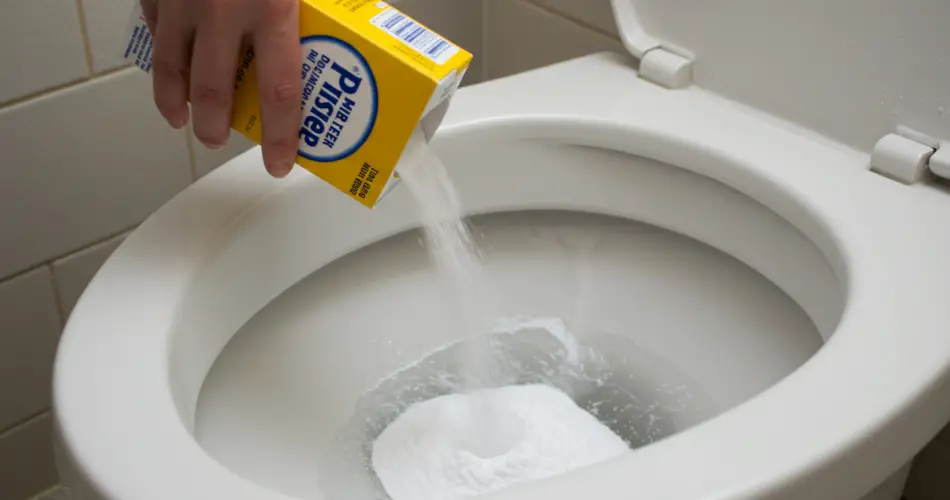
Pour approximately 2 tablespoons of coarse salt into the toilet bowl.
-
Add 1 liter of white vinegar. The mixture will begin to fizz, helping to break down the clog.
-
Allow the solution to sit overnight for maximum effectiveness.
-
In the morning, pour a pot of boiling water into the toilet to flush out any remaining debris.
This method not only clears clogs but also helps maintain smooth water flow in the drain, preventing frequent blockages. Regular use of salt and vinegar—about once a month—can help keep pipes clear without causing damage.
Preventing Future Toilet Blockages
Once the immediate clog is resolved, it’s essential to take preventive measures to avoid future issues:
-
Moderate Toilet Paper Usage: Excessive toilet paper is a leading cause of slow drains and clogs. Use only what’s necessary for each flush.
-
Avoid Flushing Non-Flushable Items: Make it a rule to dispose of wipes, napkins, and other materials in a trash bin instead of the toilet.
-
Regular Maintenance: Monthly treatments with salt and vinegar can help keep pipes clean and free-flowing. This proactive approach reduces the likelihood of unexpected blockages.
Quick Tips for Emergencies
In urgent situations, when a clog occurs suddenly and you don’t have standard supplies:
-
Hot Water Flush: Pouring a pot of hot (not boiling) water into the toilet can sometimes help loosen minor obstructions. The heat softens any waste materials and allows them to move more easily through the pipes.
-
Combination Method: Use a plunger first to dislodge the clog, then add the salt-and-vinegar mixture for a thorough cleaning. This combined approach ensures a more effective and long-lasting result.
Why This Works
The salt and vinegar method is highly effective because:
-
Salt acts as an abrasive agent, helping to break down solid waste.
-
Vinegar is acidic, which dissolves grime and mineral deposits that can accumulate in pipes.
-
Heat from water further softens the clog, ensuring complete removal.
Unlike chemical drain cleaners, this method is eco-friendly, inexpensive, and safe for your plumbing. It also avoids the harsh fumes and potential damage associated with commercial products.
Conclusion
A clogged toilet doesn’t have to be a stressful or expensive problem. By understanding what causes blockages and using simple household tools and ingredients like a plunger, a wire hanger, coarse salt, and white vinegar, you can unclog your toilet safely and effectively. Regular maintenance and mindful usage habits can prevent clogs from recurring, saving both time and money.
With these natural and practical techniques, you can handle toilet clogs confidently without relying on a plumber or harsh chemicals. A little preventative care goes a long way in keeping your home comfortable, hygienic, and free from plumbing emergencies.