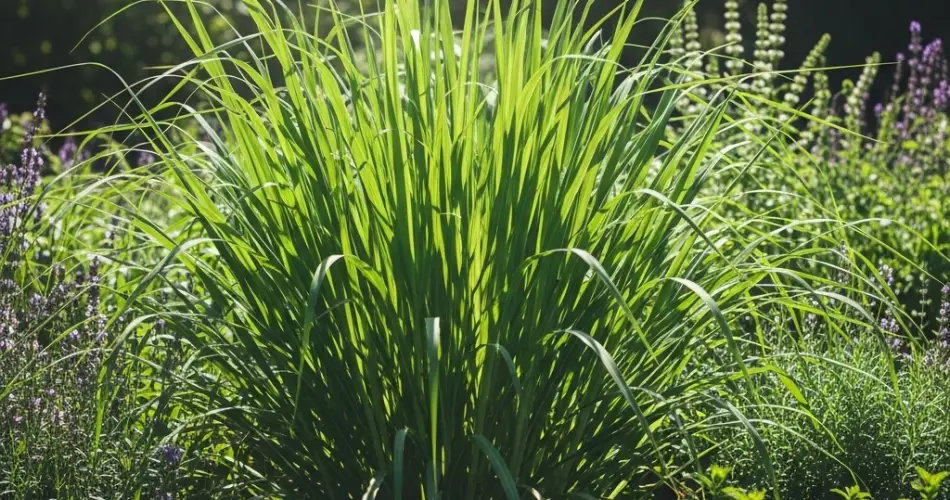
Lemongrass (Cymbopogon citratus) is a fast-growing, aromatic herb widely used in cooking, teas, and natural remedies. It’s also an attractive plant that thrives in warm, sunny climates and containers. While lemongrass is hardy and relatively low-maintenance, trimming it properly is essential to promote healthy growth, prevent overgrowth, and maintain its flavor. However, improper pruning can stress the plant or even kill it. Here’s how to trim and care for lemongrass the right way—without harming it.
Why Trimming Lemongrass Is Important
Lemongrass grows in thick clumps with tall, grass-like stalks that can reach up to 5 feet. Without regular trimming, it can become unruly, woody, and less productive. Trimming serves several key purposes:
-
Promotes new growth
-
Encourages bushier clumps
-
Improves air circulation
-
Prevents the plant from becoming too tough or fibrous
-
Keeps the plant compact and manageable in containers or garden beds
The good news is that lemongrass responds very well to pruning—as long as you avoid cutting too deep into its base.
When to Trim Lemongrass
Timing is everything. The best times to trim lemongrass are:
-
During the growing season (spring through early fall) when the plant is actively putting out new growth.
-
Early in the day to minimize stress and allow the plant to recover in cooler temperatures.
-
Before overwintering in colder climates—this helps tidy the plant and prepare it for dormancy.
Avoid heavy pruning during winter dormancy, especially in cooler climates where the plant is more vulnerable.
How to Trim Lemongrass Without Harming It
Follow these steps to ensure your lemongrass stays healthy and continues to thrive after trimming:
1. Use Sharp, Clean Tools
Always use clean, sharp scissors or garden shears. Dull tools can crush the stalks, while dirty tools might transfer diseases. Sanitize your tools with rubbing alcohol before and after use.
2. Trim Leaf Blades Regularly
If your goal is to maintain appearance or reduce height, you can trim the upper leaf blades (the long, green, grassy parts) without damaging the stalk. Cut back up to one-third of the foliage, leaving at least 12 inches of the plant intact. This encourages the plant to stay bushy and avoids removing too much photosynthetic material.
3. Harvest the Stalks Properly
If you want to harvest the flavorful stalks:
-
Select mature stalks at the outer edge of the clump. These are typically thicker and pale green or whitish at the base.
-
Use a sharp knife to cut the stalk at the soil level or just below it.
-
Leave the inner, younger stalks untouched to allow continued growth.
-
Only harvest a few stalks at a time so the plant isn’t overly stressed.
This selective harvesting method ensures that the plant remains vigorous and continues producing new shoots.
4. Thin the Clump Annually
Once a year—preferably in early spring or fall—you can thin the clump by removing some older stalks or dividing the plant. This is especially important for lemongrass grown in containers. It prevents overcrowding, improves airflow, and gives younger stalks room to thrive.
To do this:
-
Gently dig around the clump.
-
Remove a few of the outer sections, roots and all.
-
Replant or discard these divisions as needed.
-
Trim the remaining plant by one-third to stimulate fresh growth.
Signs You’ve Trimmed Too Much
Even though lemongrass is resilient, over-pruning can set it back. Watch for these signs of stress:
-
Yellowing or browning leaves
-
Stunted growth or lack of new shoots
-
Wilted appearance despite watering
If this happens, give your plant time to recover. Keep it well-watered, provide adequate sunlight, and avoid additional trimming until it bounces back.
Tips for Maintaining Healthy Lemongrass After Trimming
-
Water deeply but allow the topsoil to dry between waterings to prevent root rot.
-
Fertilize monthly during the growing season with a balanced, all-purpose fertilizer to support recovery and new growth.
-
Provide full sun, at least 6 hours a day, to help the plant regrow vigorously.
-
Mulch around the base to retain moisture and regulate soil temperature.
If you grow lemongrass in a container, refresh the potting soil annually and divide the plant every 1–2 years to prevent it from becoming root-bound.
Can You Trim Lemongrass for Aesthetic Purposes?
Yes. If your goal is to keep the plant looking tidy in a landscape or patio setting, you can trim the top leaves by up to one-third of their height. Avoid cutting all the way down to the base unless you’re harvesting stalks. Trimming in this way won’t harm the plant and helps maintain a neat appearance.
Conclusion
Lemongrass is a durable and rewarding herb that thrives with proper maintenance. Regular trimming helps promote fresh, tender growth, prevents the plant from becoming too woody or invasive, and encourages more robust clumps. The key is to trim mindfully—never removing more than one-third of the plant at a time and always leaving the inner shoots to continue developing.
With the right care, your lemongrass will reward you with flavor, fragrance, and beauty season after season.


