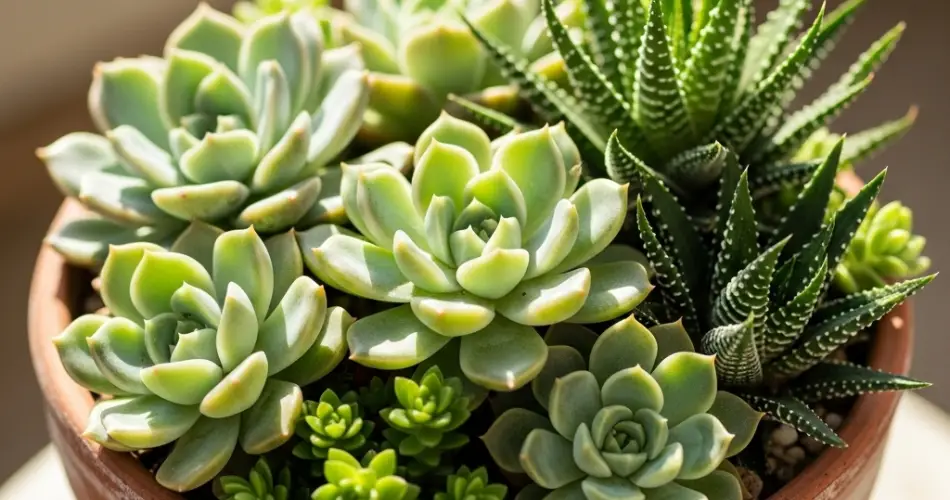
If you’ve always dreamed of having a beautiful, low-maintenance garden but feel discouraged because you tend to kill every plant you try to grow, succulents might just be your perfect solution. These resilient plants not only look stunning but also thrive with minimal care, making them ideal for beginners.
This guide will walk you through everything you need to know to transform your garden with succulents — no green thumb required.
Why Succulents Are Perfect for Beginners
Succulents are a diverse group of plants known for their thick, fleshy leaves that store water. This unique feature allows them to survive in dry, harsh environments where other plants might perish. Here’s why they’re great for anyone who struggles with gardening:
-
Drought tolerant: They need less water than most plants, reducing the chance of overwatering.
-
Easy to propagate: You can grow new plants from cuttings or leaves.
-
Minimal feeding: Succulents require very little fertilizer.
-
Variety: They come in many shapes, sizes, and colors, allowing for creative garden designs.
-
Low maintenance: Succulents thrive on neglect, perfect for busy or forgetful gardeners.
Step 1: Choose the Right Succulents for Your Garden
Succulents come in many varieties, each suited for different climates and conditions. Here are some popular beginner-friendly types:
-
Echeveria: Rosette-shaped and colorful, perfect for containers or garden beds.
-
Sedum: Hardy groundcovers that spread easily.
-
Aloe Vera: Useful and decorative with medicinal properties.
-
Haworthia: Small, low-growing, and great for indoor or shaded spots.
-
Jade Plant (Crassula): Easy to care for with thick, glossy leaves.
Select succulents that match your climate and garden conditions for the best results.
Step 2: Select a Suitable Location
Succulents need plenty of light but not all require full sun. Here’s how to pick the right spot:
-
Bright, indirect sunlight: Most succulents thrive with 4-6 hours of bright, indirect sunlight.
-
Full sun varieties: Some, like Sedum and Echeveria, enjoy direct sun but may need gradual exposure to avoid sunburn.
-
Shade tolerant: Haworthia and some Aloe species do well in partial shade or indoors.
-
Well-draining soil: Choose a location where water doesn’t pool after rain.
If you’re growing succulents indoors, place them near a south-facing window where they can receive ample light.
Step 3: Prepare the Soil Properly
Good soil is key to healthy succulents. Their roots are sensitive to overly wet conditions, so soil must drain quickly.
-
Use cactus or succulent potting mix: These are specially formulated to provide excellent drainage.
-
DIY soil mix: Combine regular potting soil with sand, perlite, or pumice in a 2:1 ratio for better drainage.
-
Containers: If planting in pots, make sure they have drainage holes to avoid waterlogging.
Proper soil preparation prevents root rot and keeps plants happy.
Step 4: Planting Your Succulents
Plant succulents carefully to avoid damaging their roots.
-
Dig a hole just big enough for the root ball.
-
Place the plant in the hole and gently cover the roots with soil.
-
Press the soil lightly around the plant to secure it but avoid packing too tightly.
-
Water lightly after planting to settle the soil, then allow it to dry before watering again.
When planting multiple succulents, arrange them based on their size and growth habits for a balanced look.
Step 5: Watering Succulents Correctly
Watering is where most beginner gardeners go wrong with succulents.
-
Water deeply but infrequently: Allow the soil to dry out completely between waterings.
-
Adjust watering frequency by season: Water more during the growing season (spring and summer) and reduce in fall and winter.
-
Avoid water on leaves: Water the base of the plant to prevent rot and fungal issues.
-
Check soil moisture: Use your finger to test if the soil is dry before watering again.
Overwatering is the biggest cause of succulent death, so err on the side of underwatering.
Step 6: Provide Proper Feeding
Succulents don’t require much fertilizer, but occasional feeding helps them thrive.
-
Use a balanced, diluted fertilizer: Apply once or twice during the growing season.
-
Choose cactus fertilizer: These are formulated for succulents and cacti.
-
Avoid overfeeding: Excess nutrients can cause weak, leggy growth.
Step 7: Propagate for More Plants
One of the joys of succulents is how easy they are to propagate.
-
Leaf cuttings: Remove a healthy leaf and let it dry for a few days. Then place it on soil to root.
-
Stem cuttings: Cut a healthy stem, let it callous, then plant in soil.
-
Offsets: Some succulents produce baby plants around their base that can be separated and replanted.
Propagation is a great way to expand your garden without buying new plants.
Step 8: Protect from Pests and Extreme Weather
Succulents are tough but can be vulnerable to pests and harsh weather.
-
Watch for mealybugs and aphids: Treat infestations early with insecticidal soap or neem oil.
-
Frost protection: Bring potted succulents indoors or cover garden plants if frost is expected.
-
Avoid excessive heat: Provide some shade during intense summer afternoons.
Step 9: Design Your Succulent Garden
Succulents look fantastic when grouped by color, texture, or size. Some tips:
-
Mix tall and short varieties for visual interest.
-
Combine different leaf shapes and colors.
-
Use stones, gravel, or sand as mulch for a polished look.
-
Incorporate succulents in containers, rock gardens, or garden beds.
Conclusion
Transforming your garden with succulents is not only achievable but also enjoyable for beginners who have struggled with gardening in the past. These resilient plants offer vibrant colors and fascinating shapes while demanding little care.
By choosing the right varieties, preparing well-draining soil, watering thoughtfully, and using simple propagation techniques, you can create a stunning succulent garden that thrives with surprising ease.
Start small, experiment, and watch your garden come to life with these hardy and beautiful plants!


