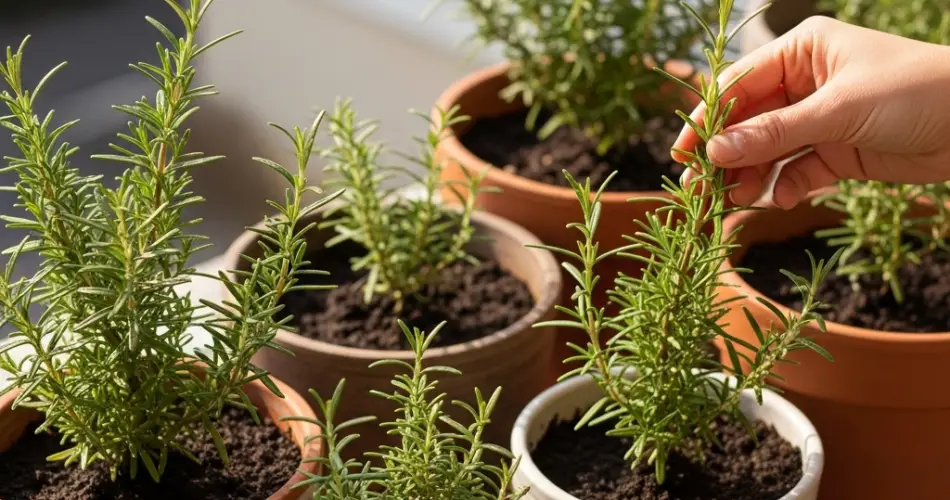
If you’ve ever dreamed of having a fragrant, low-maintenance herb garden but feel intimidated by your lack of gardening experience, rosemary is the perfect place to start. This aromatic and versatile herb is not only easy to grow, but it also brings beauty, flavor, and even natural pest control to your garden. Whether you have a large backyard or a small balcony, rosemary can thrive with just a little care and attention.
Let’s explore how you can grow lush, thriving rosemary and transform your outdoor (or indoor) space—no green thumb required.
Why Choose Rosemary?
Rosemary (Rosmarinus officinalis) is a perennial herb known for its needle-like leaves and powerful scent. Originating from the Mediterranean region, rosemary thrives in warm, sunny environments and well-drained soil. It’s a favorite among beginner gardeners because it’s both hardy and drought-tolerant. Plus, it adds a wonderful aroma to your space and fresh flavor to your meals.
Besides its culinary uses, rosemary also repels pests like mosquitoes and cabbage moths, making it an excellent companion plant.
Getting Started: What You’ll Need
You don’t need fancy tools or gardening knowledge to start growing rosemary. Here’s what you need:
-
A small rosemary plant or stem cuttings (available at garden centers or grocery stores)
-
A pot with drainage holes (for container gardening) or a garden bed with well-drained soil
-
Potting mix or light, sandy soil
-
A sunny location (at least 6–8 hours of sunlight per day)
-
Watering can or spray bottle
Step-by-Step Guide to Growing Rosemary
1. Choose Your Planting Method
If you’re brand new to gardening, starting with a small rosemary plant is the easiest route. Simply transplant it into a pot or your garden bed.
For a more hands-on approach, try propagating rosemary from cuttings. Snip a healthy 4–6 inch stem from an existing plant, strip the leaves from the bottom two inches, and place the stem in water or directly into moist soil. Roots will begin forming in about two to three weeks.
2. Pick the Right Spot
Rosemary loves sunlight, so choose a location that receives full sun for most of the day. If you’re growing it indoors, place the pot near a bright south-facing window.
Avoid areas with soggy or clay-heavy soil, as rosemary hates having “wet feet.” If necessary, mix sand or perlite into your soil to improve drainage.
3. Planting the Rosemary
For container gardening, use a pot that is at least 12 inches wide with proper drainage holes. Fill it with well-draining potting mix, plant your rosemary, and gently pat the soil around the base. Water thoroughly after planting.
In the garden, space rosemary plants about 18 to 24 inches apart to allow for air circulation and growth.
4. Watering and Maintenance
Rosemary prefers dry conditions. Water deeply but infrequently, allowing the top inch of soil to dry out between waterings. Overwatering is one of the most common mistakes beginners make—so when in doubt, it’s better to hold back.
As rosemary matures, it becomes even more drought-tolerant. You can also prune it lightly throughout the growing season to encourage bushier growth.
5. Harvesting Your Rosemary
Once your plant has grown a bit, you can start harvesting! Use scissors or your fingers to pinch off the sprigs you need, ideally cutting from the top to encourage new shoots.
Fresh rosemary can be used immediately or dried for later use. Hang small bunches upside down in a warm, dry place until the leaves are brittle, then store them in an airtight container.
Benefits of Growing Rosemary in Your Garden
-
Beginner-Friendly: Requires little care and is forgiving of mistakes.
-
Year-Round Growth: In mild climates, rosemary can grow throughout the year.
-
Multipurpose Herb: Great for seasoning meats, soups, and breads.
-
Pest Deterrent: Helps repel common garden pests naturally.
-
Attractive Appearance: Adds structure and greenery to garden beds or containers.
Common Troubleshooting Tips
-
Leggy or Sparse Growth: Your plant may need more sunlight. Try relocating it to a sunnier spot.
-
Yellowing Leaves: Could be a sign of overwatering or poor drainage.
-
No Growth: Make sure the plant isn’t rootbound in its container and is getting adequate light.
Final Thoughts
Even if you’ve never grown a single plant in your life, rosemary offers a simple, rewarding entry into the world of gardening. With just a few steps and minimal maintenance, you can enjoy fresh herbs at your fingertips and add an elegant touch to your garden space.
Whether you grow it in pots, window boxes, or garden beds, rosemary will reward your efforts with beauty, fragrance, and flavor—no experience required.


