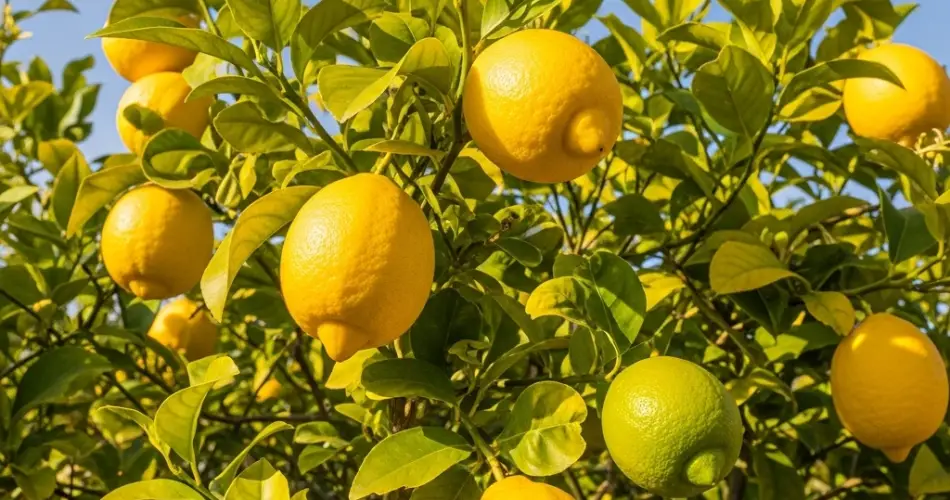
Dreaming of a lush, fragrant garden but don’t know where to start? One of the easiest and most rewarding ways to add beauty, charm, and a touch of the Mediterranean to your outdoor space is by planting a lemon tree. Even if you’ve never picked up a gardening tool before, this guide will walk you through how to grow and care for a lemon tree, turning your garden into a sunny retreat.
Why Choose a Lemon Tree?
Lemon trees are among the easiest fruit trees to grow for beginners. They’re hardy, attractive, and offer more than just looks – their glossy leaves, fragrant blossoms, and bright yellow fruit provide year-round appeal. Plus, having fresh lemons at your fingertips is not only convenient but also a small luxury that brings flavor and zest to your kitchen.
Step 1: Choose the Right Variety
If you’re new to gardening, opt for a dwarf variety of lemon tree. These are easier to manage, especially if you’re working with limited space or plan to grow your tree in a pot. Varieties like ‘Improved Meyer’ or ‘Ponderosa’ are well-suited to container growing and can thrive in small gardens or patios.
Step 2: Pick the Perfect Spot
Lemon trees love sunlight – they need at least 6 to 8 hours of direct sunlight each day. Choose a bright, sheltered location where the tree is protected from strong winds and frost. If you live in a cooler climate, consider growing your lemon tree in a container that you can move indoors during the winter.
Step 3: Prepare the Soil
Lemon trees prefer well-draining, slightly acidic soil. If planting directly in the ground, make sure the soil drains well and isn’t prone to waterlogging. If growing in a pot, use a high-quality citrus or loam-based compost mixed with some perlite or sand to aid drainage. Avoid heavy clay soils unless they’re amended with organic matter.
Step 4: Planting Your Tree
If you’ve purchased a potted lemon tree from a garden center, here’s how to plant it:
-
In a container: Choose a pot with good drainage holes. Make sure it’s at least 12-16 inches in diameter. Add a layer of gravel or broken terracotta to the bottom, then fill with your prepared soil mix. Place the tree so that the top of the root ball is level with the rim of the pot, then fill in around it. Water well.
-
In the ground: Dig a hole twice as wide and just as deep as the root ball. Place the tree in the hole and backfill with soil, pressing it down gently to eliminate air pockets. Water thoroughly.
Step 5: Watering and Feeding
Lemon trees like moist but not soggy soil. Water when the top inch of soil feels dry. In hot weather or if the plant is in a container, you may need to water every few days. During the growing season (spring through early autumn), feed your lemon tree with a citrus-specific fertilizer or a balanced slow-release fertilizer every 4 to 6 weeks.
Step 6: Pruning and Maintenance
Pruning isn’t complicated. In early spring, trim any dead, damaged, or crossing branches. This keeps the tree tidy and improves air circulation. Dwarf trees grown in pots usually need very little pruning. If your tree is healthy and productive, minimal intervention is needed.
Watch out for common pests like aphids, scale, or spider mites. These can often be managed with insecticidal soap or by spraying the tree with water to dislodge pests. Leaf yellowing may indicate overwatering or nutrient deficiency, so adjust care accordingly.
Step 7: Harvesting Your Lemons
Most lemon trees begin to bear fruit within a couple of years. Lemons can be harvested when they turn fully yellow (or slightly yellow-green, depending on the variety) and feel slightly soft to the touch. Don’t yank them off the branch – use scissors or garden shears to avoid damaging the tree.
The beauty of a lemon tree is that it can fruit and flower at the same time, so you may enjoy a continuous supply throughout the year, especially with varieties like Meyer.
Step 8: Enjoy the Benefits
A lemon tree isn’t just practical – it also boosts the aesthetics of your garden. The scent of lemon blossoms adds a subtle fragrance to the air, and the fruit brings a pop of color. It’s a natural centerpiece and conversation starter, and the satisfaction of growing your own citrus is hard to beat.
Whether you have a spacious garden or a compact balcony, growing a lemon tree is a beginner-friendly way to dive into gardening. With minimal effort and a bit of attention, you’ll enjoy fresh lemons, beautiful blooms, and a greener, more vibrant outdoor space.


