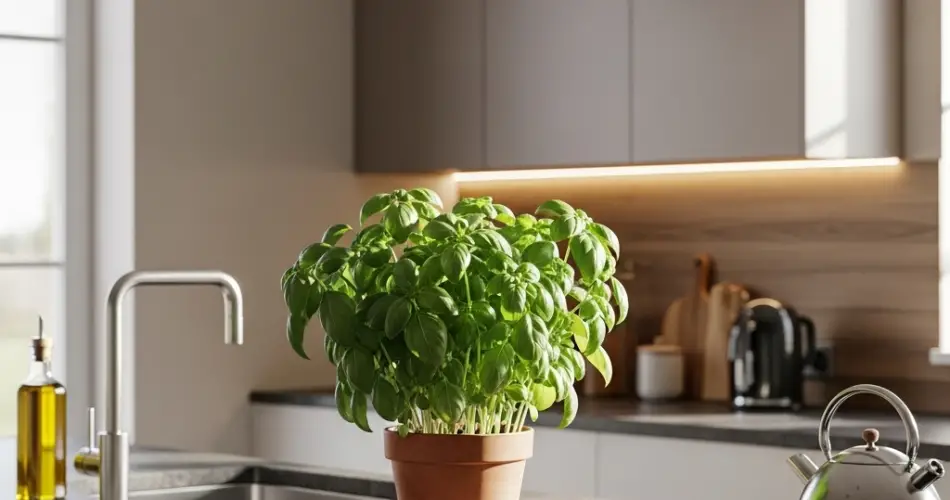
Basil is a fragrant herb beloved for its culinary versatility and refreshing aroma. Whether it’s added to sauces, salads, teas, or used as a garnish, basil brings both flavor and beauty to any dish. The good news? You don’t need a green thumb—or even a packet of seeds—to grow basil successfully. In fact, with a few kitchen scraps and some simple techniques, you can propagate and grow lush basil plants right from your countertop or windowsill.
Here’s how you can maximize your basil yield with very little effort using leftover basil stems from your kitchen.
1. Start with Fresh Kitchen Scraps
Instead of tossing out basil stems after cooking, save the ones that are still green and healthy. Look for stems that are around 4 to 6 inches long and have several leaf nodes. Remove any leaves from the bottom half of the stem, leaving a few leaves at the top.
This leftover stem will be the starting point for new basil plants through a process called vegetative propagation—essentially growing a new plant from a cutting.
2. Root the Cuttings in Water
Place your trimmed basil stems in a glass of clean water, making sure the lower leaf nodes are submerged. Position the glass in a sunny, warm area, such as a south-facing windowsill.
Within 5 to 7 days, you should begin to see tiny white roots forming at the base of the stems. Change the water every couple of days to prevent bacterial growth and ensure healthy rooting.
Once the roots are at least 2 inches long, your basil cutting is ready to be transplanted into soil.
3. Choose the Right Pot and Soil
Use a small container with good drainage holes to avoid root rot. Basil prefers well-draining, nutrient-rich soil, so choose a high-quality potting mix. You can enhance it further by mixing in a little compost or used coffee grounds for added nitrogen.
If you’re planting outdoors, make sure the area gets at least 6 hours of direct sunlight daily. Basil thrives in warmth and full sun, so the sunnier the spot, the better the yield.
4. Transplant with Care
To transplant the rooted basil cutting, gently place it in a hole about 2 inches deep and cover the roots with soil. Firm the soil around the stem and water thoroughly. Keep the soil moist but not soggy as the plant adapts to its new environment.
Initially, keep the plant out of harsh direct sun for the first few days to avoid shock. After that, you can move it into full sun for optimal growth.
5. Pinch and Prune to Encourage Growth
One of the most effective ways to increase your basil yield is by pinching off the top leaves regularly. This practice encourages the plant to become bushier instead of growing tall and leggy.
Start pruning once the plant has at least 6 sets of leaves. Always cut just above a pair of leaves, which stimulates the plant to branch out. Avoid letting basil flower early—pinch off any buds to keep the plant focused on leaf production.
6. Feed with Natural Fertilizers
Basil doesn’t require heavy feeding, but a little natural boost can significantly improve yield. Every 2 to 3 weeks, feed the plant with diluted compost tea, banana peel water, or a liquid fertilizer made from kitchen scraps, such as boiled vegetable water (cooled and unsalted).
This gentle nutrition helps support lush foliage without encouraging excessive growth that can weaken the plant.
7. Watering Tips for Healthy Basil
Basil likes moisture but hates waterlogged roots. Water the soil when the top inch feels dry. Avoid watering the leaves directly—focus on the base of the plant. In hot climates or during dry spells, you may need to water basil daily. Mulching the top of the soil with chopped kitchen scraps like lettuce stems or tea leaves can also help retain moisture naturally.
8. Harvesting for Maximum Yield
Once the plant is about 8 to 10 inches tall, you can begin harvesting regularly. The more you harvest basil the right way, the more it grows. Always harvest in the morning, when the essential oils are strongest, and never remove more than one-third of the plant at a time.
Regular harvesting keeps the plant vigorous and prevents it from going to seed too early.
9. Overwintering or Regrowing
Basil is a warm-weather herb and will decline in colder temperatures. If you’re growing it indoors, it can survive all year with adequate sunlight. You can also keep propagating new plants from your existing ones by taking fresh cuttings before winter hits.
This cycle allows you to maintain a steady supply of basil without ever needing to buy new seeds or plants.
Final Thoughts
Growing basil doesn’t have to be time-consuming or complicated. With just a few kitchen scraps and basic care, you can cultivate lush, productive basil plants at home. From rooting stems in water to feeding with household leftovers, these eco-friendly practices offer a sustainable and surprisingly simple way to maximize your basil yield.
Whether you’re a cooking enthusiast, an urban gardener, or just someone who enjoys greenery on the windowsill, basil is one of the easiest herbs to grow—and using scraps makes it even more rewarding.


