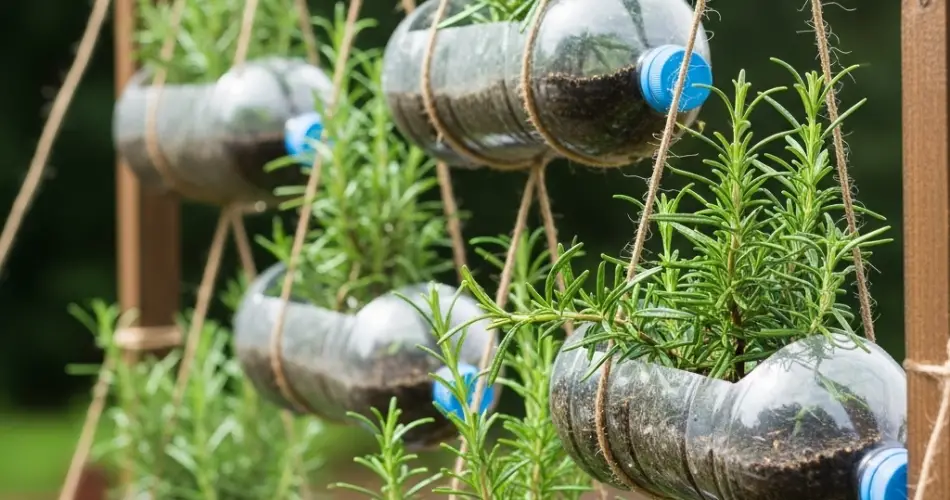
Rosemary is a beloved culinary herb known for its pine-like aroma, needle-shaped leaves, and versatility in cooking. It pairs beautifully with roasted meats, vegetables, bread, and herbal teas, while also serving as an attractive ornamental plant. Because rosemary thrives in well-draining soil and sunny environments, it adapts well to vertical gardens made from recycled plastic bottles.
Vertical bottle gardens are perfect for small spaces, allowing gardeners to grow fresh herbs even on balconies, patios, or sunny indoor walls. With proper setup and care, rosemary will flourish in this eco-friendly, space-saving arrangement.
Why Rosemary Suits Vertical Bottle Gardening
Rosemary naturally thrives in container environments because it doesn’t require constant moisture and can tolerate periods of dryness. Its woody stems and evergreen foliage make it resilient, while its love for sunlight ensures excellent performance in vertical setups where plants receive direct exposure.
Benefits of growing rosemary in bottle gardens:
-
Efficient Use of Space – Maximizes limited growing areas.
-
Better Airflow – Reduces the risk of fungal issues.
-
Aesthetic Appeal – Creates a green, fragrant wall.
-
Eco-Friendly Gardening – Reuses plastic bottles instead of discarding them.
Selecting and Preparing Plastic Bottles
Choose sturdy 1.5-liter or 2-liter bottles, as rosemary’s root system needs enough room to develop. Transparent bottles should be painted or covered to prevent root damage from direct sunlight.
Preparation steps:
-
Clean the Bottles – Wash with soapy water, rinse thoroughly, and let dry.
-
Cut Planting Windows – Lay the bottle horizontally and cut a rectangular opening large enough for planting.
-
Add Drainage Holes – Make several small holes in the base to prevent waterlogging.
-
Optional Decoration – Wrap bottles in jute rope or paint them for a more attractive look.
Mounting Your Vertical Rosemary Garden
You can arrange your bottles in several ways:
-
Wall-Mounted Frames – Secure bottles to a wooden or metal grid.
-
Hanging Rows – Suspend bottles with strong rope or wire.
-
Stacked Tiers – Use vertical stands to hold multiple planters.
Ensure your rosemary receives at least 6–8 hours of sunlight per day. South-facing walls or bright balconies are ideal locations.
The Right Soil Mix for Rosemary
Rosemary dislikes heavy, water-retentive soil. In bottle planters, this is especially important because limited space can cause water to accumulate quickly.
Recommended mix:
-
1 part garden soil
-
1 part compost
-
1 part coarse sand or perlite
This blend provides nutrients while ensuring fast drainage, preventing root rot and other moisture-related issues.
Planting Rosemary
You can grow rosemary from seeds, cuttings, or young plants.
-
From Seeds – Sow on the soil surface, press lightly, and keep moist until germination (which may take several weeks).
-
From Cuttings – Take 10–15 cm cuttings from healthy plants, remove lower leaves, and root them in moist soil or water before transplanting.
-
From Seedlings – Purchase young rosemary plants and transplant them directly into your bottle planters.
When planting, gently spread the roots and fill soil around them, leaving a small gap at the top of the bottle to prevent water overflow.
Watering and Sunlight Needs
Rosemary prefers its soil to dry out slightly between waterings. Overwatering can damage the roots, so check the top 2–3 cm of soil before adding water. When you do water, soak thoroughly so that moisture reaches all roots, then allow excess to drain.
This herb thrives in full sun. Position your bottle planters where they receive strong, direct light for most of the day to encourage dense foliage and intense flavor.
Feeding and Ongoing Care
Feed rosemary once a month during its active growing season (spring through early autumn) with a diluted all-purpose liquid fertilizer or compost tea. Avoid excessive feeding, which can result in weaker flavor.
Pruning is important to maintain shape and promote fresh growth. Cut just above a leaf node to encourage branching, and regularly harvest sprigs for cooking to keep the plant compact.
Protecting Rosemary in Different Climates
In warm climates, rosemary can remain outdoors year-round. In colder areas, consider moving your bottle planters indoors during winter, placing them near a sunny window or under grow lights.
If overwintering indoors, reduce watering but maintain good air circulation to prevent fungal problems.
Pest and Disease Prevention
Although rosemary is relatively pest-resistant, it can sometimes attract aphids, spider mites, or whiteflies. In a bottle garden, pests are easy to spot. Rinse affected plants with a strong stream of water or treat with a mild soap spray. Ensure bottles are clean and soil is refreshed annually to prevent disease buildup.
Harvesting Rosemary
Once plants are well established—generally when they reach 15–20 cm—you can start harvesting. Cut sprigs as needed, avoiding removing more than one-third of the plant at once.
For drying, gather several sprigs, tie them into small bundles, and hang in a warm, well-ventilated area out of direct sunlight. Store dried rosemary in airtight containers to preserve its flavor.
Final Thoughts
Supporting rosemary growth in a vertical bottle garden is a rewarding way to combine sustainability with homegrown flavor. With the right soil mix, adequate sunlight, and careful watering, rosemary will thrive in its upcycled container home. This method not only ensures a constant supply of fresh herbs but also helps reduce plastic waste while adding greenery and fragrance to your living space.


