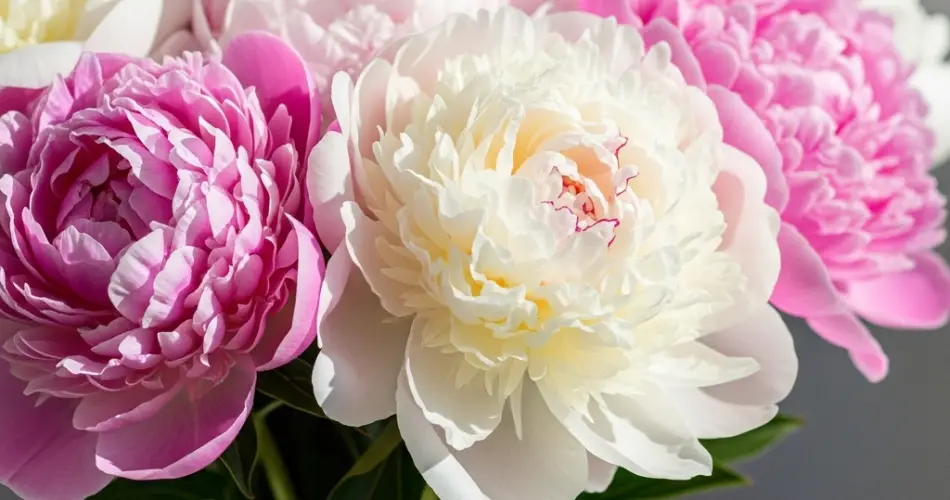
Peonies are treasured for their lush, fragrant flowers and their ability to bring timeless elegance to any garden. However, their stunning blooms are often so large and heavy that they tend to droop or even break under their own weight—especially after a rain. While commercial supports are available, there are also several natural and unobtrusive ways to keep your peony plants standing tall throughout the blooming season. If you want your garden to look more natural and less mechanical, here are effective, low-impact methods to support heavy peony blooms naturally.
1. Choose the Right Peony Variety
Before you even plant your peonies, consider the variety. Some cultivars naturally have stronger stems and more upright growth than others. For instance, single or semi-double bloom types tend to be less top-heavy than fully double varieties.
Tip: If you’re starting fresh, opt for peonies bred for sturdy stems such as ‘Coral Charm’, ‘Bowl of Beauty’, or ‘Krinkled White’. These varieties are less likely to flop, even without support.
2. Plant in Full Sun
Peonies thrive in full sun—at least 6 hours of direct sunlight daily. Plants grown in too much shade tend to stretch toward the light, resulting in weaker, leggy stems that are more prone to flopping.
Tip: Ensure your peonies are planted in a bright, open location. If your garden has become shadier over the years due to growing trees or structures, consider relocating your peonies to a sunnier spot in fall.
3. Use Natural Plant Support Methods
You don’t always need to rely on cages or rings to support peonies. With a bit of planning and the right materials, you can create natural-looking supports that blend beautifully into your garden.
A. Twine and Bamboo Stakes
Gently insert bamboo stakes around the plant’s perimeter and use soft twine to create a circular loop just beneath the blooms. This keeps the stems upright while allowing the flowers to spread naturally.
B. Grid Support with Branches
Weave trimmed branches or twigs (like willow or hazel) between stems to form a loose, natural grid. This method mimics wild plant growth and provides a subtle yet effective framework for support.
C. Reinforced Companion Planting
Grow sturdy, upright perennials nearby that can act as natural supports. Plants like yarrow, catmint, or ornamental grasses can gently prop up peony stems while adding texture and color contrast.
4. Mulch and Enrich the Soil
Healthy soil promotes strong stem growth. Peonies grow best in fertile, well-draining soil enriched with compost or organic matter. Mulching helps maintain even moisture levels and prevents the soil from compacting.
Tip: Add 2–3 inches of organic mulch, like shredded bark or leaf mold, around the base of your peonies in early spring. Keep mulch a few inches away from the crown to prevent rot.
5. Water Smartly
Peonies don’t like soggy soil, but consistent watering during dry spells is essential for robust growth. Too little water during the early growing season can weaken the plant and contribute to drooping stems.
Tip: Water deeply once a week during dry weather. Early morning watering is best, as it allows excess moisture to evaporate and reduces the risk of fungal diseases.
6. Thin the Stems in Early Spring
Crowded stems compete for nutrients and can weaken each other as they grow. Thinning the number of stems early in the season encourages stronger individual growth and better airflow.
Tip: Once new shoots are 6–8 inches tall, use clean pruners to remove some of the weaker or more crowded stems. Aim to leave about 10–12 strong stems per plant.
7. Deadhead and Prune Promptly
After blooming, peonies benefit from regular deadheading. Removing spent flowers helps the plant redirect energy into root and stem development rather than seed production.
Tip: Cut back dead flowers just above the first set of full leaves. In late fall, once the foliage has died back, trim stems to the ground to prevent disease and encourage healthy regrowth.
8. Divide Mature Peony Plants
Over time, mature peonies can become too dense, which leads to weaker blooms and tangled stems. Dividing the clumps every 8–10 years rejuvenates the plant and supports stronger, upright flowering.
Tip: The best time to divide peonies is in fall. Dig up the entire clump, gently separate the roots, and replant with each division containing at least 3 to 5 eyes (buds).
Final Thoughts
Supporting heavy peony blooms doesn’t have to involve bulky cages or unnatural structures. By choosing the right variety, improving growing conditions, and using subtle, natural supports, you can enjoy upright, show-stopping blooms year after year. With just a little effort, your peonies will stand tall and proud—adding elegance and charm to your garden without the need for excessive hardware.


