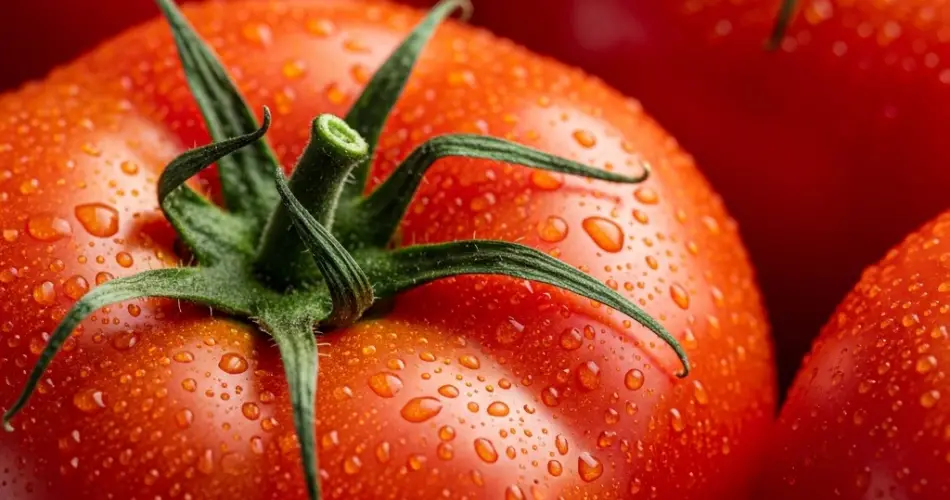
Tomatoes are among the most satisfying plants to grow, whether in a backyard garden, a container on your balcony, or even a sunny windowsill. While many gardeners focus on harvesting juicy fruits, ensuring continuous blooming is the real key to year-round tomato productivity. With the right conditions and care, it’s entirely possible to keep your tomato plants flowering—and fruiting—for extended periods.
Here’s a complete guide on how to successfully care for tomatoes to achieve vibrant blooms throughout the year, even without previous gardening experience.
Choose the Right Tomato Variety
The first step to ensuring continuous blooms is selecting the right tomato variety. Some tomatoes are better suited for extended growing seasons and indoor cultivation than others.
-
Determinate varieties produce fruit all at once and then stop flowering.
-
Indeterminate varieties continue to grow, flower, and fruit until frost or unfavorable conditions stop them.
For year-round blooming and harvest, indeterminate varieties like ‘Sungold’, ‘Cherry Cascade’, or ‘Roma VF’ are ideal. If you’re growing indoors, compact cherry tomatoes are especially manageable.
Provide Adequate Light
Tomatoes are sun-loving plants that require a minimum of 6 to 8 hours of direct sunlight per day for optimal blooming. In cooler months or indoor settings, natural light may not be enough.
-
Place your plant near a south-facing window.
-
If natural sunlight is limited, supplement with LED grow lights for 12–16 hours a day.
Without enough light, tomato plants may grow tall and spindly with very few flowers.
Use the Right Container and Soil
For container-grown tomatoes, choose a pot that’s at least 12 to 18 inches deep. Tomatoes need space for their roots to develop and to support continuous flowering.
-
Ensure the container has drainage holes to prevent waterlogging.
-
Use high-quality potting mix enriched with compost or organic matter.
-
A blend of peat moss, perlite, and compost is ideal for moisture retention and aeration.
Watering: Consistency is Key
Tomatoes require consistent moisture to support steady blooming. However, both under-watering and over-watering can stress the plant and reduce flower production.
-
Water when the top inch of soil feels dry.
-
Ensure even watering, avoiding dry spells followed by heavy soaking.
-
Avoid getting water on the leaves to prevent fungal issues.
For containers, consider using a self-watering planter or a mulch layer to maintain soil moisture.
Feed for Flowers and Fruit
Fertilizing is crucial for encouraging continuous blooms. Tomatoes are heavy feeders, especially during flowering and fruiting stages.
-
Use a balanced fertilizer (e.g., 10-10-10) early in the growth stage.
-
Switch to a bloom-boosting fertilizer with more phosphorus (e.g., 5-10-5) once the plant starts flowering.
-
Apply fertilizer every 2 to 3 weeks, but avoid overfeeding, which can cause excess foliage and fewer blooms.
Organic options like compost tea, fish emulsion, or bone meal can also promote healthy flowering.
Support Your Plants
As tomatoes grow, they need structural support to keep stems upright and flowers exposed to air and light.
-
Use stakes, cages, or trellises depending on the variety.
-
Tie vines gently with garden twine to avoid damaging the plant.
Proper support improves air circulation, reduces disease risk, and encourages healthy flower and fruit development.
Prune for Productivity
Pruning encourages more blooms and better air circulation. For indeterminate varieties, regularly remove:
-
Suckers – the small shoots that grow in the leaf axils.
-
Yellowing or damaged leaves – especially near the base of the plant.
Don’t over-prune, especially during flowering. The plant still needs leaves to photosynthesize and generate energy.
Manage Pollination Indoors
Tomatoes are self-pollinating, but indoor conditions may hinder natural pollination. If you’re growing indoors or in an area without pollinators:
-
Gently shake the plant or flower clusters to mimic wind.
-
Use a small brush or cotton swab to transfer pollen between flowers.
Pollination is necessary for fruit set and keeps the plant in a healthy blooming cycle.
Control Pests and Diseases
Regularly check your tomato plants for common pests like aphids, whiteflies, or spider mites. Use organic insecticidal soap or neem oil to manage infestations.
Watch for signs of fungal diseases such as:
-
Powdery mildew
-
Blight
-
Leaf spot
Provide good airflow and avoid overhead watering to prevent disease. Remove affected leaves promptly to contain the spread.
Keep the Cycle Going
After a fruiting cycle, prune spent flowers and encourage new growth with a mild fertilizer. With the right care, indeterminate tomatoes can live and bloom for over a year, especially indoors under controlled conditions.
Rotate containers, refresh soil, and inspect root health every few months to keep plants vigorous.
Final Thoughts
Growing tomatoes that bloom vibrantly all year long is entirely achievable with the right knowledge and consistent care. By choosing the proper variety, providing sufficient light, maintaining watering and feeding routines, and managing the environment, your tomato plant will reward you with flowers—and eventually fruits—throughout every season.
Whether on your balcony, windowsill, or indoor grow space, tomatoes are a joy to grow and even more satisfying when they flourish nonstop. With these tips, you can confidently nurture tomatoes like a pro—even if you’re just starting out.


