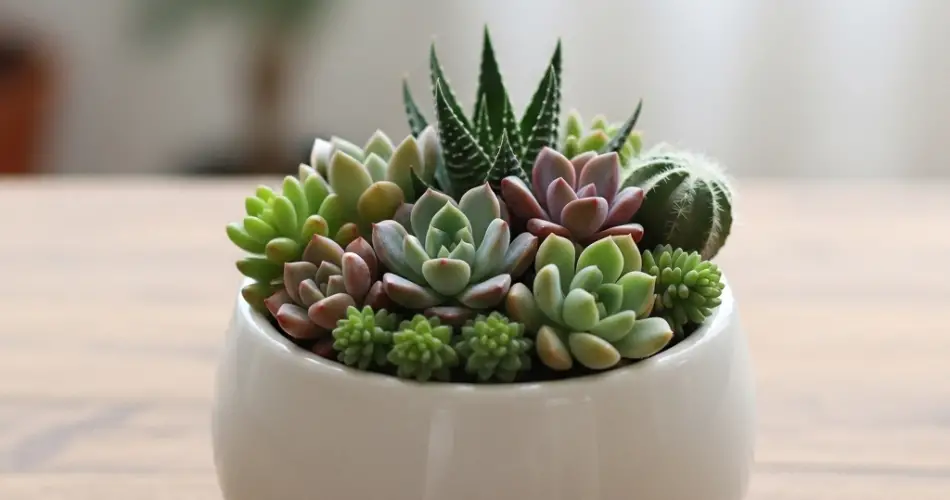
Succulents are often praised as the perfect beginner plants—low-maintenance, visually appealing, and incredibly resilient. However, many beginners still struggle to keep them alive. If you’ve ever overwatered, under-lit, or simply forgotten about a plant until it shriveled, you’re not alone. The good news is that anyone can grow healthy, thriving succulents with just a little understanding of their unique needs.
This guide breaks down everything you need to know to care for succulents successfully—even if you’ve killed every plant you’ve ever owned.
Understand What a Succulent Is
Succulents are a group of plants that store water in their thick leaves, stems, or roots. This adaptation helps them survive in dry environments, making them much more drought-tolerant than traditional houseplants. Popular types include jade plants, echeveria, aloe vera, haworthia, and string of pearls.
Their ability to retain water means they need far less frequent watering—and that’s where many beginners go wrong.
Choose the Right Container
The first step in succulent care success is picking the right pot. Always use containers with drainage holes. Succulents hate sitting in waterlogged soil, which leads to root rot faster than you might expect. Terracotta or unglazed clay pots are excellent choices because they absorb moisture and allow the soil to dry out more quickly.
Avoid glass containers or pots without drainage unless you’re very experienced and can monitor moisture precisely.
Use Well-Draining Soil
Succulents need a soil mix that drains fast. Regular potting soil holds too much moisture and will suffocate the roots. You can buy pre-mixed “cactus and succulent soil” or make your own by mixing two parts potting mix with one part perlite or coarse sand.
The goal is to create a loose, gritty soil that won’t stay soggy after watering.
Water the Right Way
Overwatering is the number one cause of succulent death. The golden rule: water deeply but infrequently.
Allow the soil to dry out completely between waterings. When you do water, soak the soil until water drains out of the bottom of the pot, then leave the plant alone until the soil is bone dry again. Depending on your climate and indoor conditions, this might mean watering only once every 10–14 days—or even less in winter.
Never mist your succulents or give them a tiny sip here and there. It’s better to underwater than overwater.
Give Them Plenty of Light
Succulents love sunlight. Most varieties need at least 6 hours of bright, indirect light per day. A sunny windowsill—preferably south- or east-facing—is perfect. Without enough light, succulents become leggy and pale as they stretch toward the sun.
If your home doesn’t offer good natural light, consider using a grow light to keep your succulents happy, especially during darker winter months.
Rotate and Reposition
To keep your succulents growing evenly, rotate the pot every few days so all sides receive light. This prevents the plant from leaning or growing lopsided.
Also, if you notice a succulent stretching or changing color, it may be a sign that it’s not getting enough light. Move it closer to a light source or supplement with artificial lighting.
Protect from Extreme Temperatures
Succulents generally thrive in temperatures between 60°F and 80°F (15°C to 27°C). While they can tolerate some heat, they don’t handle frost well. If you keep your succulents outside during summer, bring them indoors before temperatures drop in the fall.
Indoors, keep them away from cold drafts, heating vents, or windowsills that get too chilly at night.
Keep Pests and Mold in Check
Though succulents are hardy, they can fall victim to pests like mealybugs or fungus gnats—often a result of overwatering or poor air circulation. If you see white, cotton-like patches or tiny flies, inspect your plant immediately.
Treat pests with neem oil or insecticidal soap. To prevent mold and root rot, ensure proper drainage and avoid letting water sit on the leaves or in the crown of the plant.
Prune and Propagate
Don’t be afraid to trim off dead leaves or overgrown stems. Regular grooming keeps your succulents looking their best. Even better—succulents are incredibly easy to propagate. If a leaf falls off or you prune a stem, allow it to callous over for a day or two, then place it on top of dry soil. In a few weeks, it can sprout roots and grow into a new plant.
Propagation is not only satisfying but also a great way to multiply your collection at no cost.
Final Thoughts
Caring for succulents may feel intimidating at first, especially if you’ve struggled with houseplants before. But once you understand their basic needs—sunlight, well-draining soil, and cautious watering—succulents practically take care of themselves.
So don’t give up on your green thumb just yet. Start small, follow these simple guidelines, and you’ll soon find your home filled with vibrant, thriving succulents that are as resilient as they are beautiful.


