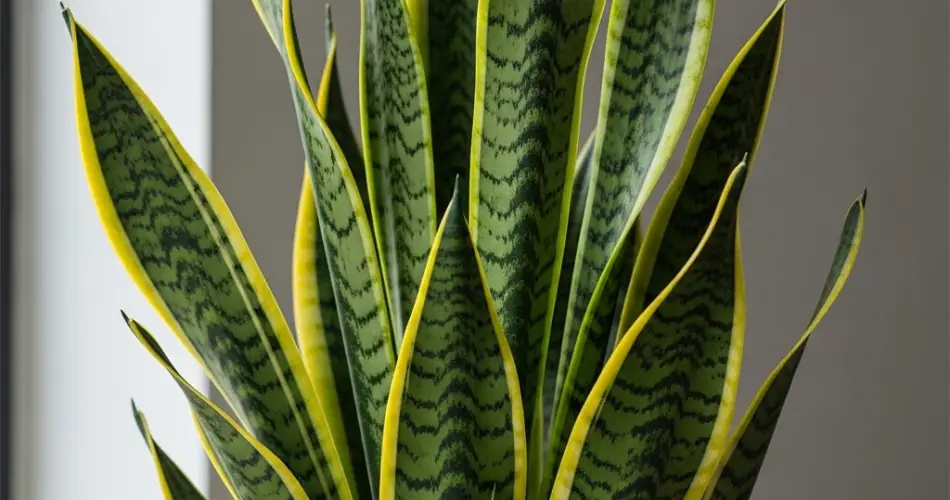
If you’ve ever struggled to keep a plant alive, the snake plant (Sansevieria, also known as Dracaena trifasciata) might be the perfect place to start. Tough, stylish, and nearly impossible to kill, the snake plant is one of the best houseplants for beginners. Whether your space is sunny or shady, and whether you water regularly or forget for weeks, this plant can handle it.
Here’s everything you need to know to care for a snake plant successfully—no gardening background required.
1. Why Snake Plants Are Perfect for Beginners
Snake plants are extremely adaptable. They tolerate low light, irregular watering, and a variety of temperatures. Their sword-like leaves add a modern touch to any space, and they even help clean the air by filtering indoor pollutants like formaldehyde and benzene.
These qualities make the snake plant ideal for:
-
Small apartments
-
Offices
-
Busy people
-
Absolute beginners
If you’re looking for a forgiving plant that still looks fantastic, this one is a top contender.
2. Choosing the Right Pot and Soil
Start by selecting a well-draining pot with drainage holes at the bottom. Snake plants are prone to root rot if left in standing water, so proper drainage is essential. Choose a container that’s just slightly larger than the root ball.
For soil, use a free-draining mix—a cactus or succulent potting mix is ideal. You can also make your own blend using:
-
2 parts regular potting soil
-
1 part perlite or coarse sand
This combination ensures that water flows through quickly, protecting the roots.
3. Light Requirements: Flexible and Forgiving
One of the snake plant’s greatest strengths is its ability to grow in a wide range of lighting conditions. It thrives in bright, indirect light, but also does well in low-light environments. That makes it a great option for bedrooms, hallways, or corners without direct sun.
Avoid direct sunlight for long periods, as it can scorch the leaves. On the other hand, a brighter spot will encourage faster growth and more defined leaf patterns.
4. Watering: Less Is More
Overwatering is the number one killer of snake plants. These plants store moisture in their thick leaves and rhizomes, so they don’t need frequent watering.
Here’s a simple rule:
Water only when the top 2 inches of soil are completely dry.
Depending on your home’s humidity and light, this might mean watering every 2–3 weeks. In the winter, water even less—once a month may be plenty.
When you do water, soak the soil thoroughly until water drains out of the bottom, then discard any water that collects in the saucer. Never let the plant sit in water.
5. Temperature and Humidity
Snake plants prefer temperatures between 60°F and 85°F (15°C to 29°C). They don’t mind dry indoor air and don’t need any added humidity. Just keep them away from drafty windows, heaters, and air conditioning vents.
They are not frost-tolerant, so if you’re keeping one on a balcony or near a window, bring it inside when the weather turns cold.
6. Fertilizing for Healthy Growth
Snake plants don’t require a lot of feeding. Use a balanced liquid houseplant fertilizer diluted to half strength, once every 1–2 months during the growing season (spring and summer).
Skip fertilizing in fall and winter when the plant’s growth slows down. Too much fertilizer can cause leaf damage or promote weak, leggy growth.
7. Repotting: Only When Needed
Snake plants are slow growers and don’t need frequent repotting. In fact, they like being slightly root-bound. Repot only when you see roots pushing out of the pot or when the plant becomes top-heavy and tips over.
Use a pot that’s one size larger and refresh the soil with a well-draining mix. Spring is the best time to repot, as the plant enters its active growing phase.
8. Pruning and Propagation
Pruning is rarely needed, but you can trim any damaged or yellowing leaves at the base with clean scissors. This keeps your plant looking tidy and healthy.
If you want more snake plants, they’re easy to propagate. Cut a healthy leaf into 3- to 4-inch sections and plant them upright in moist soil. Alternatively, you can divide the plant at the roots when repotting.
Final Thoughts
The snake plant is one of the easiest houseplants to care for, making it the perfect choice for beginners who have never had luck with greenery. With minimal watering, basic light, and a little patience, your snake plant will thrive and add a touch of elegance to any room.
You don’t need a green thumb to succeed—all you need is the right start. And with the snake plant, success is practically guaranteed.


