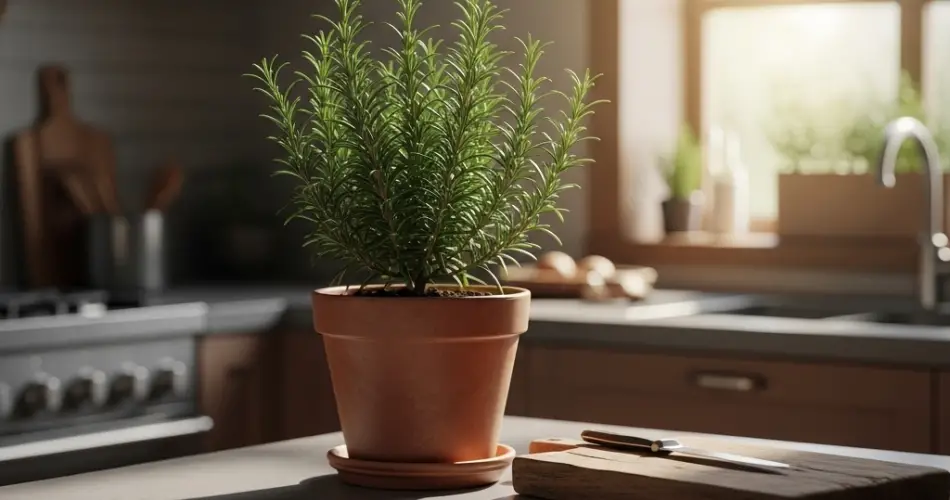
Rosemary is an aromatic and versatile herb cherished for its earthy flavor, ornamental beauty, and low-maintenance nature. While many people start rosemary from nursery plants or seeds, there’s a surprisingly simple method that often goes overlooked: growing rosemary from kitchen scraps.
If you’ve ever purchased fresh rosemary sprigs for cooking, you already have the raw material needed to grow a thriving plant at home. With a few basic steps, you can turn leftover rosemary stems into healthy, productive plants—no garden or prior experience required.
Why Grow Rosemary from Kitchen Scraps?
Growing rosemary from scraps offers several advantages:
-
Cost-effective: No need to buy seeds or potted plants.
-
Sustainable: Reduces food waste by repurposing leftover herb sprigs.
-
Beginner-friendly: Simple propagation method that’s easy to follow.
This method allows you to cultivate a fragrant, evergreen herb indoors or outdoors using only tools and materials you likely already have at home.
Step 1: Choose the Right Rosemary Cuttings
To start, you’ll need a few fresh rosemary sprigs. Not all stems will grow roots, so it’s important to pick the healthiest ones.
-
Select sprigs that are at least 4 to 6 inches long, with a green, flexible stem (not woody).
-
Avoid dried-out or overly mature stems, as they are less likely to root successfully.
If you’ve bought a bundle of rosemary from the grocery store, sort through it and choose the freshest-looking stems.
Step 2: Prepare the Cuttings for Rooting
Once you’ve selected your sprigs, it’s time to prepare them for propagation.
-
Strip the lower leaves from the bottom 2 inches of each stem. Leave the top leaves intact.
-
Trim the base of the stem at a slight angle using clean scissors or a knife. This increases the surface area for rooting.
You can propagate multiple sprigs at once to improve your chances of success.
Step 3: Root the Rosemary in Water
Place the prepared cuttings into a glass or jar of water so that the stripped portion of the stem is submerged.
-
Use filtered or room-temperature tap water.
-
Place the container in a warm, bright spot—a sunny windowsill is ideal.
-
Change the water every 2 to 3 days to keep it fresh and oxygenated.
Roots usually begin to form within 2 to 3 weeks, although it can take up to a month. Look for white roots emerging from the stem base.
Step 4: Transplant into Soil
Once the roots are at least an inch long, it’s time to move your rosemary into soil.
-
Choose a small pot (6–8 inches deep) with drainage holes.
-
Fill with a well-draining potting mix. A cactus or herb mix works well, or you can blend regular potting soil with sand or perlite for improved drainage.
Gently plant the rooted stem into the soil, firming it around the base to provide support. Water lightly after planting.
Step 5: Provide Ideal Growing Conditions
Rosemary is a Mediterranean herb that thrives in dry, sunny environments. To mimic those conditions indoors or on a balcony:
-
Sunlight: Place your rosemary where it receives at least 6 hours of direct sunlight daily.
-
Temperature: Keep it in a space with temperatures between 65–80°F (18–27°C).
-
Watering: Allow the top inch of soil to dry out between waterings. Rosemary is drought-tolerant and doesn’t like soggy roots.
-
Air circulation: Ensure good airflow around the plant to prevent fungal issues.
If growing outdoors, protect rosemary from harsh frost. Indoors, rotate the pot regularly to ensure even light exposure.
Step 6: Prune and Harvest Regularly
Pruning encourages bushy growth and prevents your rosemary from becoming woody or leggy.
-
Begin pruning once the plant is well-established and about 8 inches tall.
-
Use scissors to snip just above a leaf node (where two leaves meet the stem).
-
Avoid cutting more than one-third of the plant at a time.
Use the pruned stems for cooking, drying, or propagating new plants.
Step 7: Troubleshoot Common Issues
While rosemary is generally low-maintenance, here are some common issues to watch for:
-
Yellowing leaves: Often caused by overwatering or poor drainage.
-
Lack of growth: Usually due to insufficient light or compacted roots.
-
Powdery mildew or root rot: Prevent by providing airflow and watering only when necessary.
If you notice any problems, adjust the environment accordingly and remove any affected plant parts.
Final Thoughts
Caring for rosemary using kitchen scraps is a simple, satisfying way to bring greenery and flavor into your home. With minimal supplies and just a bit of time, you can transform leftover sprigs into a thriving herb plant that lasts for years.
Whether you’re growing rosemary on a windowsill, balcony, or backyard container, the process is straightforward, rewarding, and perfect for beginners. Plus, there’s nothing quite like snipping fresh rosemary straight from your own plant to enhance your next meal.


