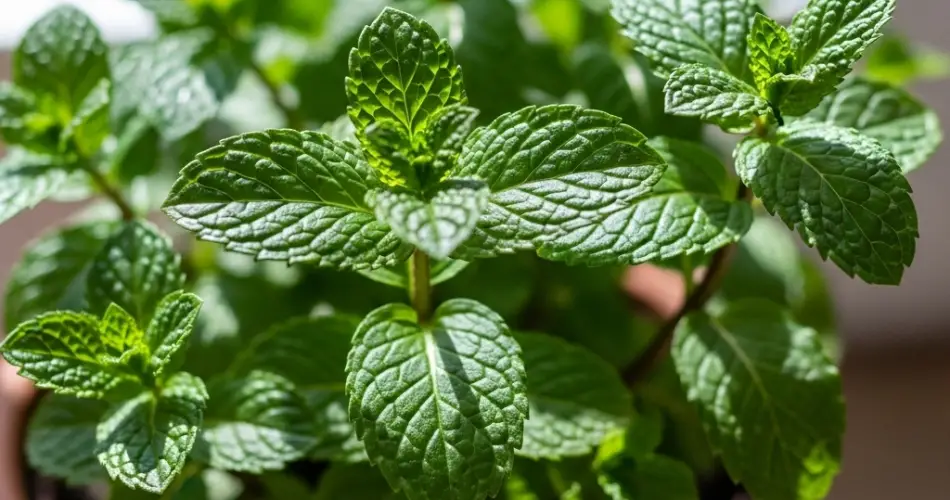
Mint is one of the most beloved herbs worldwide—and for good reason. It’s aromatic, refreshing, and incredibly easy to grow. Whether you use it for cooking, herbal teas, or natural remedies, mint can be an excellent addition to your garden, balcony, or even kitchen windowsill. The best part? It requires minimal effort and offers fast, lush growth with just a few key practices.
If you’re ready to cultivate a thriving mint plant and see quick, healthy results, this guide will walk you through everything you need to know about caring for mint the smart way.
1. Choose the Right Mint Variety
Before you begin, it’s important to know there are several types of mint. The most common are spearmint and peppermint, but other varieties like apple mint, chocolate mint, and orange mint are also popular for their unique aromas and flavors.
If you’re new to growing mint, spearmint is often the easiest to care for and grows rapidly in most conditions. Choose a variety that suits your taste and your available growing space.
2. Pick the Ideal Growing Spot
Mint thrives in partial to full sunlight. Ideally, it should get about 4–6 hours of sunlight per day. If you’re growing indoors, a sunny windowsill or balcony is ideal. Outdoors, mint can grow in garden beds or containers—though keeping it in a pot is often better to control its aggressive spreading habit.
Mint grows best in well-draining soil with a neutral to slightly acidic pH (around 6.0 to 7.0). If you’re planting it in the ground, make sure it won’t overtake your other plants—its roots can spread quickly and take over garden spaces.
3. Start from Seeds, Cuttings, or Nursery Plants
There are three ways to start growing mint:
-
From seeds: Sprinkle them on the surface of moist soil and lightly press down. Don’t cover them too deeply—they need light to germinate. Keep the soil moist and you should see sprouts in 10–15 days.
-
From cuttings: Take a 4–6 inch cutting from an established plant. Place it in water until roots develop, then transplant it into soil.
-
From nursery plants: The fastest way to get mint growing is to buy a small plant and transplant it into your container or garden bed.
4. Water Regularly and Wisely
Mint prefers consistently moist soil but does not like to be waterlogged. Overwatering can lead to root rot, especially in containers. The key is to keep the soil damp, especially in hot or dry weather.
Check the soil with your finger: if the top inch feels dry, it’s time to water. Make sure pots have drainage holes, and avoid letting water pool at the bottom.
5. Feed with Light Fertilizer
Mint is not a heavy feeder, but a little nutrition goes a long way. Feed it once a month with a diluted organic liquid fertilizer or compost tea during the growing season (spring through early fall). Avoid high-nitrogen fertilizers if you want balanced leaf and root development.
6. Trim Often for Better Growth
One of the secrets to fast-growing, healthy mint is regular trimming. The more you harvest, the more your plant will branch out and grow fuller.
Cut just above a set of leaves to encourage bushier growth. Try to trim the tips every 2–3 weeks—even if you’re not using the leaves right away. You can dry or freeze extra mint for later use.
7. Control Pests and Disease
Mint is relatively pest-resistant, but watch out for aphids, spider mites, and whiteflies, especially if growing indoors. Neem oil or a homemade spray of water with a few drops of dish soap can help manage pests naturally.
Fungal issues like powdery mildew may occur in humid conditions with poor airflow. Prevent this by spacing your plants well and avoiding overhead watering.
8. Repot or Divide Annually
If growing mint in containers, it can become root-bound over time. Repot or divide your plant every spring to keep the roots healthy and the growth vigorous. You can split the root ball and replant the divisions to create new mint plants.
9. Overwinter with Ease
Mint is a perennial, meaning it can survive year-round with proper care. In colder climates, the above-ground parts may die back in winter, but the roots will stay alive underground. Mulch around the base if growing outdoors to protect it from frost. Indoor plants can continue growing if kept near a sunny window.
Final Thoughts
Mint is a hardy, fast-growing herb that rewards even beginner gardeners with fragrant leaves and lush foliage. With the right care—sunlight, moisture, occasional feeding, and regular trimming—you can enjoy vibrant mint all year long and get faster results than you might expect.
Whether it’s in a small pot by your kitchen sink or thriving in a garden container, mint can be one of the easiest and most satisfying plants to grow. Follow these simple steps, and you’ll have a thriving mint patch in no time.


