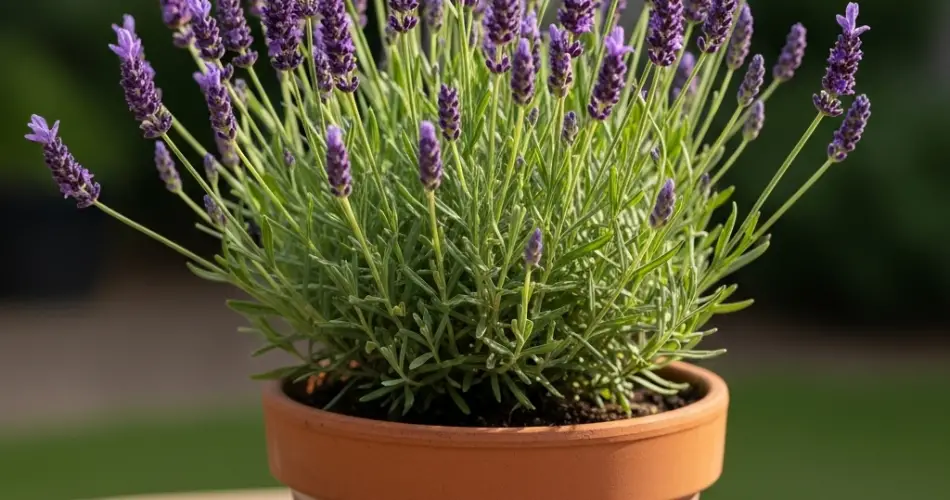
Lavender is one of the most beloved fragrant herbs worldwide, prized for its soothing scent, beautiful purple blooms, and versatile uses—from cooking and crafting to natural remedies. While it’s often associated with sprawling gardens and sunny fields, lavender can thrive beautifully even in small apartments. With the right care, you can enjoy fresh lavender right from your windowsill or balcony, adding both charm and calm to your living space.
If you’ve struggled with indoor plants before or think lavender is too tricky for a small space, this guide will simplify everything and help you become a confident lavender grower in no time.
Why Grow Lavender Indoors?
Lavender isn’t just a pretty plant; it also offers numerous benefits for apartment dwellers:
-
Aromatherapy: Its calming fragrance helps reduce stress and improve sleep.
-
Air purifier: Lavender can help freshen indoor air.
-
Culinary use: Fresh or dried lavender buds add unique flavor to dishes and teas.
-
Decorative: Its lovely spikes of purple flowers brighten any room.
-
Natural pest deterrent: Lavender’s scent repels moths and mosquitoes.
Growing lavender indoors means year-round access to these benefits, even if you lack a backyard or garden.
Choose the Right Lavender Variety
Some lavender varieties are better suited for indoor life due to their size and growth habits:
-
English Lavender (Lavandula angustifolia): The most common type with sweet fragrance and compact growth.
-
French Lavender (Lavandula dentata): Slightly larger with distinctive toothed leaves.
-
Spanish Lavender (Lavandula stoechas): Features unique flower shapes and tolerates slightly shadier conditions.
For apartment growing, choose a dwarf or compact cultivar to avoid crowding your space.
Find the Perfect Spot: Light is Essential
Lavender thrives on bright, direct sunlight and requires at least 6 hours of sunlight daily. In an apartment, this means:
-
Place your lavender pot near a south- or west-facing window where it can soak up the most sun.
-
If natural light is limited, supplement with a grow light set on a timer for 10-12 hours daily.
Without sufficient light, lavender will become leggy, weak, and unlikely to flower.
Use Well-Draining Soil and Container
Lavender hates wet feet. For successful growth:
-
Choose a pot with drainage holes to prevent waterlogging.
-
Use a sandy, well-draining soil mix, such as cactus or succulent potting mix, or make your own by mixing regular potting soil with sand and perlite.
-
Avoid heavy, moisture-retaining soils which cause root rot.
A clay or terracotta pot is ideal because it breathes better than plastic and helps excess moisture evaporate.
Watering: Less is More
Lavender is drought-tolerant and prefers to dry out between watering sessions.
-
Water thoroughly when the top 1-2 inches of soil feel dry.
-
Avoid watering on a strict schedule—check the soil first.
-
Never let the plant sit in standing water.
-
During cooler months, reduce watering frequency to prevent overwatering.
Signs of overwatering include yellowing leaves and soggy soil, while underwatered lavender will have drooping or shriveled leaves.
Temperature and Humidity
Lavender prefers moderate temperatures, ideally between 65-75°F (18-24°C) during the day and slightly cooler at night.
-
Avoid placing lavender near cold drafts or heating vents, which stress the plant.
-
Low to moderate humidity is best. Bathrooms or kitchens with high humidity are not ideal spots.
If your apartment is dry in winter, occasional misting or placing the pot on a pebble tray can help, but avoid excessive humidity.
Fertilizing and Feeding
Lavender is a light feeder. Over-fertilizing causes excessive leafy growth but weak flowers.
-
Use a balanced, diluted liquid fertilizer once a month during the growing season (spring and summer).
-
Avoid heavy fertilizers or rich compost in the potting mix.
-
In fall and winter, stop fertilizing to allow the plant to rest.
Pruning for Health and Shape
Pruning is key to keeping your indoor lavender healthy and compact.
-
After the plant finishes flowering, trim back about one-third of the plant’s height.
-
Remove any dead or woody stems to encourage new growth.
-
Prune lightly in early spring to maintain shape and prevent legginess.
Regular pruning promotes fuller plants and better blooms.
How to Encourage Blooming Indoors
Indoor lavender can bloom multiple times a year with the right care.
-
Provide ample light and proper watering.
-
Keep temperatures moderate, avoiding extreme heat or cold.
-
Ensure good airflow around the plant to prevent fungal diseases.
-
Avoid overfertilizing, which discourages flowers.
Patience is important—lavender sometimes takes several months to establish and bloom indoors.
Troubleshooting Common Problems
-
Yellow leaves: Often a sign of overwatering or poor drainage.
-
Brown leaf tips: Usually caused by underwatering or low humidity.
-
Powdery mildew: A fungal issue from poor airflow or excess humidity; improve ventilation and avoid overhead watering.
-
Pests: Watch for aphids or spider mites; treat with insecticidal soap or neem oil if needed.
Harvesting and Using Lavender
You can harvest lavender once flowers appear:
-
Cut flower stems in the morning after dew evaporates.
-
Use fresh for bouquets or hang upside down in a dry, dark place to dry.
-
Store dried lavender in airtight containers for cooking, sachets, or crafts.
Regular harvesting encourages more blooms.
Final Thoughts
Even if you live in a small apartment, lavender is an accessible and rewarding plant to grow. With the right variety, a sunny spot, and mindful watering and pruning, you can enjoy its beautiful scent and calming presence year-round.
Starting your lavender journey indoors is not only a step toward greener living but also a wonderful way to bring natural beauty and tranquility into your home—no matter how limited your space.


