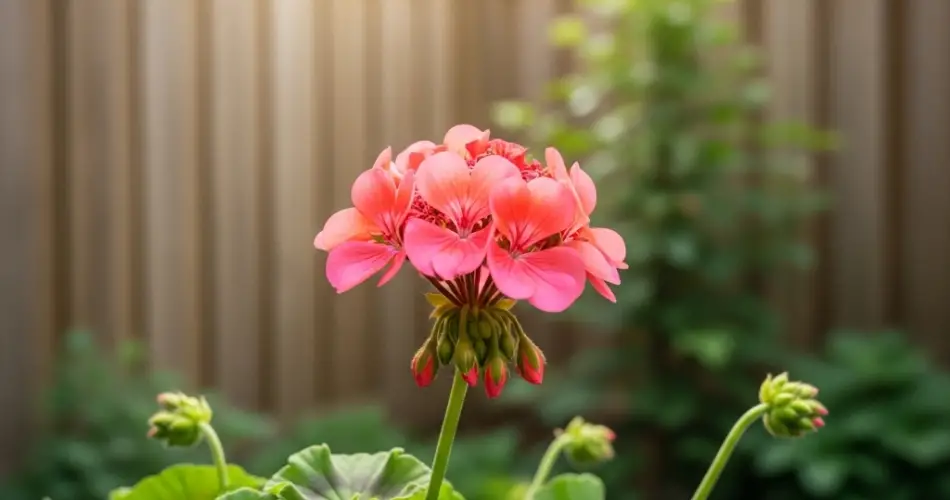
Geraniums are among the most rewarding flowering plants you can grow in your backyard. Known for their vibrant blooms, aromatic leaves, and low-maintenance nature, geraniums are ideal for both experienced gardeners and beginners looking for easy success. Whether you’re planting them in pots, borders, or garden beds, geraniums can bring continuous color to your outdoor space with minimal effort.
Here’s a complete guide to growing and caring for geraniums in your backyard, so you can enjoy beautiful, thriving plants without the stress.
1. Choose the Right Type of Geranium
There are several types of plants commonly referred to as “geraniums,” but the most popular for backyard growing are Pelargoniums, which come in multiple varieties:
-
Zonal geraniums (Pelargonium x hortorum): Rounded leaves with dark bands and large flower clusters.
-
Ivy-leaf geraniums (Pelargonium peltatum): Trailing stems and glossy leaves, perfect for hanging baskets.
-
Scented-leaf geraniums: Grown more for their aromatic foliage than for flowers.
-
Regal or Martha Washington geraniums: Have ruffled leaves and stunning blooms, but require slightly cooler temperatures.
For easy backyard care, zonal geraniums are typically the most forgiving and bloom profusely all season long.
2. Pick the Perfect Spot
Geraniums love sunlight. To ensure strong growth and prolific flowering, choose a location that receives at least 6 hours of direct sun daily. Morning sunlight and some afternoon shade are ideal, especially in hot climates.
They can be planted directly into garden beds or in containers placed around your patio, porch, or backyard corners.
3. Use Well-Draining Soil
Geraniums hate soggy roots, so drainage is key. Whether in pots or the ground, plant them in loose, well-draining soil. You can improve drainage by mixing:
-
Garden soil with compost
-
A handful of coarse sand or perlite for aeration
-
Organic matter like leaf mold or coconut coir for moisture retention without waterlogging
If using containers, make sure they have drainage holes at the bottom.
4. Planting and Spacing
When planting geraniums in your backyard, space them about 12 to 18 inches apart to allow for airflow and healthy growth. Gently remove them from nursery pots, loosen the roots, and plant at the same depth they were growing in the container.
Water thoroughly after planting to help them settle in.
5. Watering Made Easy
Geraniums prefer the “soak and dry” method. Water deeply, then allow the top inch of soil to dry out before watering again. Overwatering is one of the few ways to harm these plants—it can cause root rot and fungal problems.
In hot weather, potted geraniums may need water every 1–2 days, while in-ground plants may only need watering 2–3 times a week.
6. Feed for Continuous Blooms
To keep your geraniums blooming all season, feed them every 2–4 weeks during the growing season (spring through early autumn) with a balanced liquid fertilizer. For even better results, choose a fertilizer labeled for flowering plants, which typically has more phosphorus to support blooms.
Avoid over-fertilizing, which can result in lots of leaves but few flowers.
7. Prune and Deadhead for Best Results
Regular deadheading—removing spent flower heads—encourages more blooms and keeps your plants looking tidy. Simply pinch or snip off the old flowers just above the next set of leaves.
To prevent legginess and encourage bushier growth, pinch back the stems every few weeks during active growing periods.
8. Watch for Pests and Problems
Geraniums are relatively pest-resistant, but keep an eye out for:
-
Aphids – look for sticky residue or curled leaves
-
Whiteflies – often found under leaves; shake the plant to spot them
-
Spider mites – cause fine webbing and stippled leaves
Spray affected plants with a gentle insecticidal soap or neem oil. Always inspect new plants before adding them to your garden to prevent introducing pests.
9. Overwintering Made Simple
If you live in a climate where temperatures drop below freezing, you can overwinter geraniums indoors or take cuttings to propagate for the next season. Options include:
-
Bringing potted plants indoors before frost and placing them in a sunny window.
-
Cutting back plants and storing them bare-root in a cool, dark place.
-
Taking cuttings and rooting them in water or potting mix indoors.
This way, you can enjoy your geraniums again the following spring without needing to buy new plants.
Final Thoughts
Caring for geraniums in your backyard truly is hassle-free. With a sunny location, occasional feeding, and light pruning, these cheerful plants will reward you with months of vibrant flowers and lush foliage.
Whether planted in garden beds or decorative containers, geraniums offer instant charm with minimal upkeep. Perfect for busy gardeners or those just starting out, these resilient bloomers can quickly become a favorite in any backyard.


