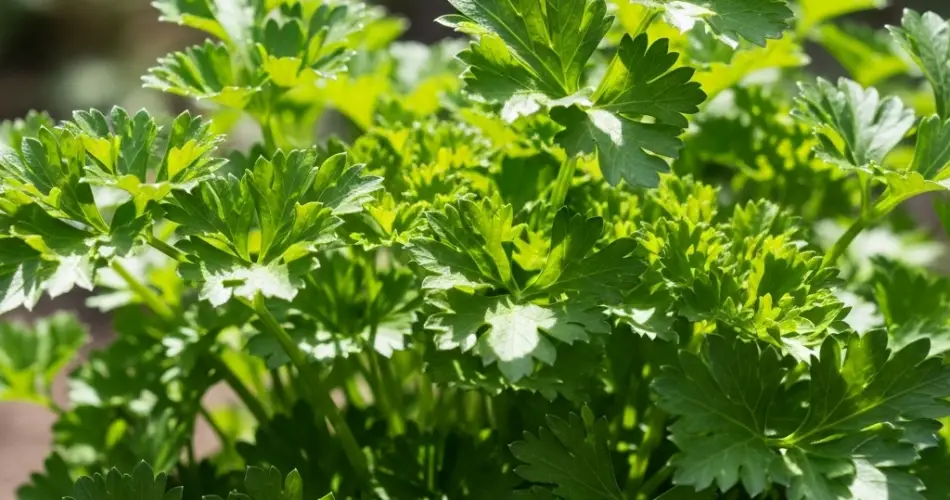
Parsley is often treated as a garnish, but it’s much more than that. This versatile herb is packed with nutrients, adds a fresh burst of flavor to dishes, and is surprisingly easy to grow. With the right care and conditions, parsley can thrive year-round—even indoors on a sunny windowsill.
Whether you’re new to gardening or just want to enjoy fresh herbs all year, here’s how to grow parsley like a pro and keep it productive for months on end.
1. Pick the Right Type of Parsley
There are two main types of parsley, and both can be grown successfully indoors or out:
-
Flat-leaf parsley (Italian parsley) has broad, flat leaves and a robust flavor. It’s easier to chop and preferred in cooking.
-
Curly-leaf parsley has tightly ruffled leaves and a milder taste. It’s often used as a garnish but also makes a beautiful edible plant.
Choose the type based on your taste and use—both varieties follow the same growing instructions.
2. Start from Seeds or Transplants
Parsley can be started from seed or purchased as a young plant. If starting from seed, patience is key. Parsley seeds are slow to germinate, often taking 2 to 4 weeks.
To speed up germination:
-
Soak seeds in warm water for 12–24 hours before planting.
-
Sow them ¼ inch deep in seed-starting mix or directly into containers.
-
Keep the soil moist but not soggy, and place the container in a warm, bright spot.
Alternatively, buy healthy seedlings and transplant them into your pot or garden bed for a quicker harvest.
3. Choose the Right Growing Location
Parsley needs full sun to partial shade to grow strong and leafy. For indoor growing:
-
Place your container near a south-facing window where it will receive at least 6 hours of sunlight.
-
If light is limited, supplement with a grow light to encourage steady, upright growth.
Outdoors, parsley thrives in cooler weather and can be grown in spring, fall, and even winter in milder climates.
4. Use the Right Soil and Containers
Parsley prefers rich, well-draining soil that stays moist but not waterlogged.
-
Use a quality potting mix enriched with compost.
-
If growing in containers, choose a pot at least 6–8 inches deep, with good drainage holes.
Mix in some organic matter like compost or worm castings before planting to give your parsley a healthy start.
5. Water Consistently (But Not Too Much)
Parsley needs regular watering to maintain its lush leaves.
-
Keep the soil evenly moist, especially during hot or dry weather.
-
Avoid letting the soil dry out completely between waterings.
-
Be careful not to overwater—too much moisture can lead to root rot.
In containers, check the soil every couple of days. If the top inch feels dry, it’s time to water.
6. Fertilize for Continuous Growth
To keep parsley growing strong year-round, feed it occasionally with a gentle fertilizer:
-
Use a balanced, organic liquid fertilizer every 3–4 weeks.
-
Alternatively, top-dress the soil with compost or a slow-release organic fertilizer.
Avoid high-nitrogen formulas—they can lead to lots of leafy growth but reduce the flavor intensity.
7. Harvest the Right Way
Parsley benefits from frequent harvesting. The more you cut, the more it grows:
-
Always harvest the outer leaves first, cutting the stems close to the base.
-
Leave the inner stems and leaves to continue growing.
-
Avoid snipping off just the tops—this weakens the plant and reduces regrowth.
You can begin harvesting when the plant has about 10 leaves or is at least 6 inches tall.
8. Extend the Life of Your Plant
Parsley is a biennial, meaning it completes its life cycle over two years. In the first year, it produces leaves; in the second year, it bolts (flowers) and sets seed. Once it bolts, the flavor becomes bitter.
To delay bolting:
-
Keep the plant well-watered and in cooler temperatures.
-
Snip off any flower stalks as soon as they appear.
You can also start new plants every few months to ensure a continuous supply.
9. Grow Parsley Indoors Year-Round
Parsley is one of the few herbs that grows well indoors with a bit of attention:
-
Keep it in a sunny window or under a grow light.
-
Trim regularly to promote bushy growth.
-
Repot when roots become crowded, or start new seedlings to rotate in.
With good care, you can harvest fresh parsley even in the middle of winter.
Final Thoughts
Growing parsley is rewarding, low-maintenance, and perfect for gardeners of all levels. With just a sunny spot, regular watering, and some occasional trimming, you can cultivate vibrant, fragrant parsley all year long—no matter your experience level.
Once you get the hang of parsley, it opens the door to growing other herbs and vegetables right at home.


