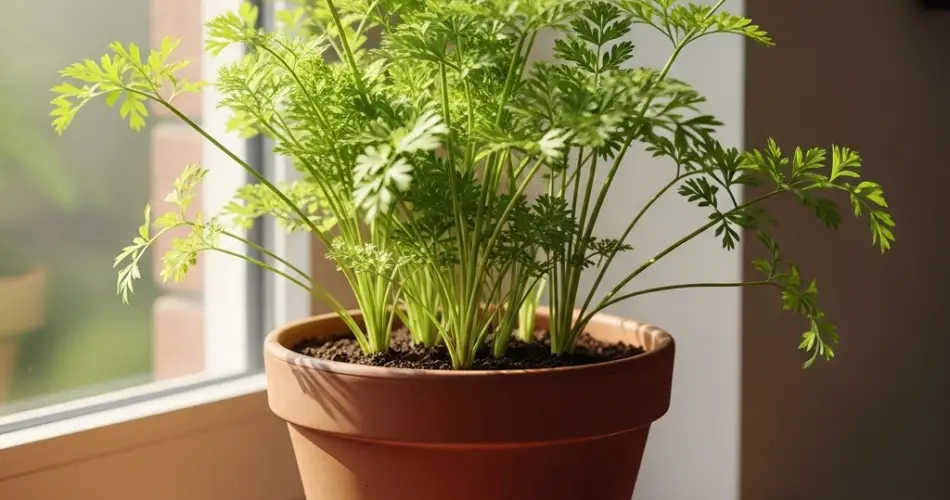
Think growing carrots requires a big backyard and acres of soil? Think again. Carrots are surprisingly apartment-friendly and thrive in containers with just a little care and the right conditions. Whether you have a sunny windowsill, a balcony, or even just a corner near a bright window, you can enjoy fresh, sweet carrots grown right at home.
Here’s how to successfully grow and care for carrots, even if your gardening space is limited to your apartment.
Why Carrots Are Perfect for Small Spaces
Carrots don’t take up much room. They grow down, not out, and as root vegetables, they’re mostly hidden from view. With a container of the right depth and some sunlight, carrots can flourish indoors or on a balcony. Best of all, they don’t require constant attention—making them ideal for beginners or those with busy schedules.
Choosing the Right Container
Carrots need space to grow downward, so depth is more important than width. Look for containers that are at least 10–12 inches deep. The deeper the container, the longer the variety of carrot you can grow.
Drainage is key. Make sure your pot or container has holes in the bottom to prevent soggy soil, which can cause rot.
You can grow carrots in:
-
Plastic pots
-
Wooden boxes
-
Recycled buckets
-
Fabric grow bags
Even repurposed kitchen containers can work—as long as they’re deep and have drainage.
Selecting the Right Carrot Variety
In small spaces, it’s smart to choose shorter or round varieties of carrots that don’t need as much depth. Some great options include:
-
Thumbelina – small and round
-
Parisian – ideal for shallow containers
-
Nantes – blunt-tipped and cylindrical
-
Chantenay – shorter, stout carrots perfect for pots
These types adapt well to container life and mature quickly.
Soil Mix and Preparation
Carrots need light, loose, and well-draining soil to grow properly. Dense or compacted soil can cause misshapen roots or stunted growth. Create the perfect mix by combining:
-
2 parts potting soil
-
1 part coarse sand or perlite
-
1 part compost (for nutrients)
Avoid using garden soil from outdoors. It’s often too heavy and can introduce pests into your home.
Sowing Seeds Indoors
Carrots don’t like to be transplanted, so sow the seeds directly into the container. Here’s how:
-
Fill your container with your prepared soil mix.
-
Moisten the soil lightly before planting.
-
Sprinkle the seeds evenly across the surface.
-
Cover with a thin layer (about 1/4 inch) of soil.
-
Gently mist with water using a spray bottle.
Carrot seeds are tiny and slow to germinate—usually taking 1 to 3 weeks. Keep the soil moist during this time but avoid overwatering.
Light and Temperature
Carrots thrive with 6 to 8 hours of sunlight daily. Place your containers near a south-facing window or on a balcony. If natural light is limited, consider using a grow light to supplement.
Ideal indoor temperature for carrot growth is 60–70°F (15–21°C). Keep them away from heaters or air conditioners, which can dry out the soil too quickly.
Watering Tips
Carrots like evenly moist soil—not soggy, not dry. Stick your finger an inch into the soil. If it feels dry, it’s time to water.
Too much water can cause the roots to rot. Too little water will make the carrots tough and woody. Aim for consistent, moderate watering.
Thinning and Maintenance
Once seedlings are a few inches tall, thin them out to prevent overcrowding. Snip weaker plants at the base, leaving about 2 inches of space between each.
Carrots don’t need much fertilizer. A light feeding of compost tea or diluted organic fertilizer once a month is enough. Overfeeding can cause leafy growth at the expense of root development.
Harvesting Your Indoor Carrots
Most carrots are ready to harvest 60–80 days after sowing, depending on the variety. The tops will push up slightly from the soil when they’re mature.
To harvest:
-
Gently loosen the soil around the base.
-
Grasp the carrot top and pull slowly.
-
Rinse and enjoy!
Don’t worry if your carrots aren’t perfectly shaped—homegrown ones are full of flavor and nutrients.
Bonus: Use the Carrot Tops
Don’t toss those leafy greens! Carrot tops are edible and can be used in pesto, salads, or as a garnish. Just snip them off, rinse, and store in the fridge.
Final Thoughts
With just a deep pot, some loose soil, and a sunny spot, you can grow carrots right from your apartment. It’s a rewarding experience that brings freshness to your meals and greenery into your space. No backyard required—just a little patience, consistency, and care.
Your urban garden is only a seed away.


