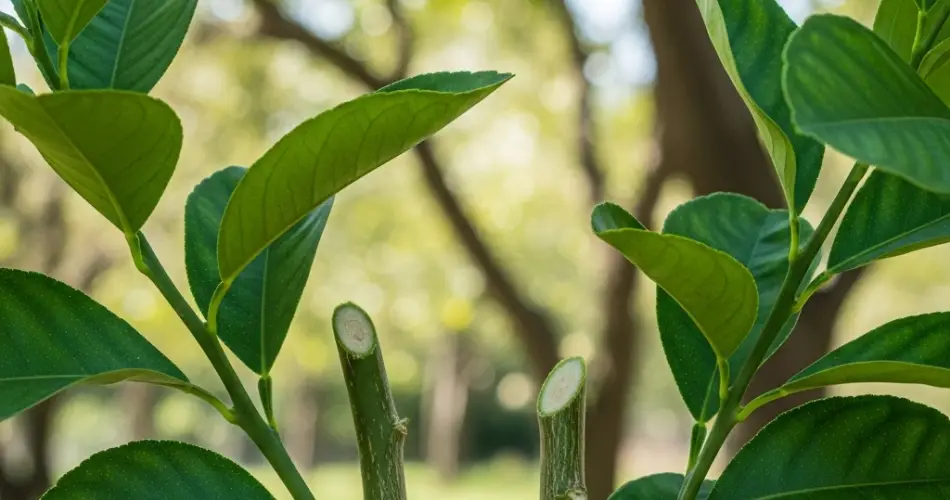
Growing a lemon tree from a cutting is an easy and rewarding way to propagate this fragrant, fruit-bearing plant. Unlike starting from seed, which can take many years to produce fruit (and may not even grow true to the parent plant), rooting a cutting from a mature lemon tree offers a faster and more reliable path to harvesting your own homegrown lemons.
Whether you want to start a backyard orchard or grow a small lemon tree in a pot on your balcony or terrace, propagating from cuttings is an accessible method for gardeners of all experience levels.
Why Grow Lemons from Cuttings?
Lemon trees grown from cuttings retain the characteristics of the parent plant, which means:
-
You’ll get the same fruit quality and flavor.
-
They often bear fruit earlier than seed-grown trees.
-
Cuttings ensure true-to-type growth, especially important if you’re replicating a favorite variety.
-
The process is cost-effective and satisfying for home gardeners.
Starting with a healthy cutting sets the foundation for a thriving lemon tree.
What You’ll Need
Before you begin, gather the following materials:
-
A healthy mature lemon tree for taking the cutting
-
Clean, sharp pruners or garden scissors
-
Rooting hormone (powder or gel)
-
Small plant pots with good drainage
-
A well-draining potting mix (preferably a mix of perlite and peat or sand)
-
A clear plastic bag or a plastic bottle (to create a mini greenhouse)
-
Spray bottle for misting
Step-by-Step Guide to Starting a Lemon Tree from a Cutting
1. Choose the Right Cutting
Select a healthy branch from a disease-free, mature lemon tree. Look for semi-hardwood growth—that is, a stem that is not too green and tender but not fully woody either.
-
The ideal cutting is 6–8 inches long, about the thickness of a pencil, and has at least 2–3 leaf nodes.
-
Cut just below a leaf node using sharp, clean pruners.
2. Prepare the Cutting
-
Remove leaves from the bottom half of the cutting, leaving a couple of leaves at the top.
-
If the remaining leaves are large, trim them in half to reduce moisture loss.
-
Gently scrape the bark at the base of the cutting to expose a thin strip of green cambium tissue—this can enhance rooting.
-
Dip the cut end into rooting hormone, which encourages root development and increases the chance of success.
3. Plant the Cutting
-
Fill a small pot with a moistened, well-draining potting mix (such as equal parts perlite and peat moss or coarse sand).
-
Insert the cutting about 2–3 inches deep into the soil. Firm the mix around the base to ensure stability.
-
Mist the cutting lightly with water.
4. Create a Humid Environment
-
Cover the pot with a clear plastic bag or place a cut plastic bottle over the top to create a mini greenhouse.
-
This maintains high humidity, which is essential for root formation.
-
Keep the cutting in a warm, bright location out of direct sunlight. A temperature between 70–80°F (21–27°C) is ideal.
Ongoing Care and Rooting Time
-
Mist the cutting every few days to keep the soil slightly moist but not soggy.
-
Open the cover daily for a few minutes to allow air circulation and prevent mold.
-
Roots should begin to develop within 4–8 weeks. You’ll know it’s rooted when you see new growth emerging at the top or feel resistance when you gently tug on the stem.
Once roots are established and new leaves have formed, remove the cover permanently and move the plant into brighter light gradually.
Transplanting and Growing Your Young Lemon Tree
When the cutting has developed a strong root system (after about 2–3 months), it’s ready to be repotted into a larger container.
Tips for transplanting:
-
Choose a pot with drainage holes, at least 10–12 inches wide.
-
Use a citrus-friendly potting mix or a blend of potting soil, sand, and compost.
-
Water deeply and let excess moisture drain away.
-
Place the pot in a sunny location—lemons need at least 6–8 hours of sunlight daily.
As your tree grows, you can repot it into larger containers or transplant it outdoors if you live in a warm climate.
Caring for Your Lemon Tree
To keep your lemon tree healthy and productive, follow these simple care guidelines:
-
Water regularly, allowing the top inch of soil to dry between watering.
-
Fertilize every 4–6 weeks during the growing season with a balanced citrus fertilizer.
-
Prune lightly to shape the tree and remove any dead or crossing branches.
-
Watch for pests like aphids, scale, or spider mites and treat promptly with neem oil or insecticidal soap.
Final Thoughts
Starting a lemon tree from a cutting is a fulfilling project that brings beauty, fragrance, and eventually fruit to your home or garden. With just a bit of patience and the right conditions, you can enjoy the satisfaction of nurturing a tree from a single stem—and be rewarded with your own juicy lemons in a few years.
Whether you’re a seasoned gardener or a curious beginner, this propagation method is a simple, sustainable way to grow citrus at home.


