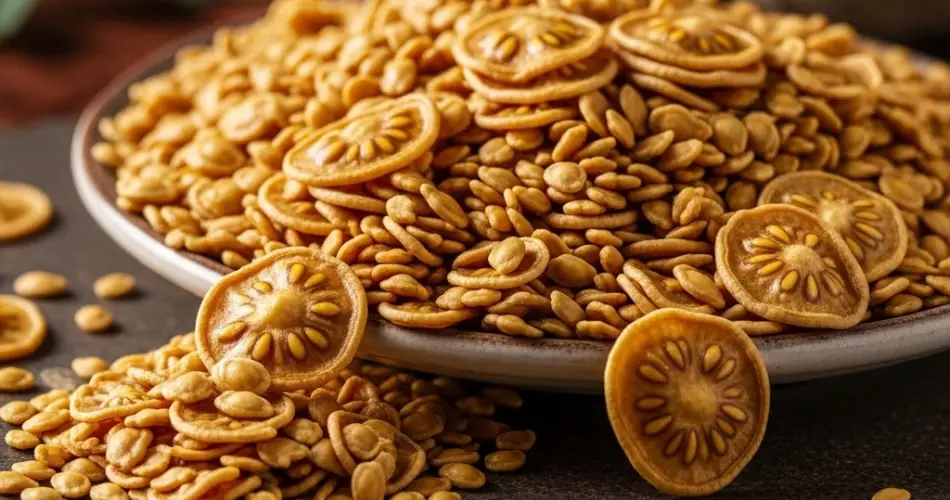
Saving tomato seeds from your current harvest is an excellent way to grow the same delicious varieties next season without spending a dime. It’s a sustainable practice that allows you to preserve heirloom strains and ensures you always have seeds adapted to your local growing conditions. Here’s a detailed, step-by-step guide on how to save tomato seeds the right way—complete with tips for storage and viability.
Step 1: Choose the Right Tomatoes
For seed saving, always select healthy, disease-free tomatoes from open-pollinated or heirloom varieties. Avoid hybrids, as their seeds often do not produce true-to-type plants. Look for fruits that are fully ripe, plump, and free of blemishes or signs of disease. The healthier the parent fruit, the better quality the seeds will be.
Step 2: Scoop Out the Seeds
Slice the tomato across the middle rather than through the stem to easily access the seed cavities. Use a spoon or your fingers to scoop the seeds into a clean glass or plastic container. Don’t worry about a little pulp—it’ll be dealt with during fermentation.
Step 3: Ferment the Seeds
Fermentation is a crucial step because it breaks down the gelatinous coating on the seeds, which inhibits germination and can carry diseases. To ferment:
-
Add about half a cup of water to the container with the seeds.
-
Cover loosely with a paper towel or cloth—do not seal it airtight.
-
Let the mixture sit at room temperature for 2 to 4 days. Stir it daily to prevent mold from taking over.
-
You’ll know fermentation is complete when a layer of mold forms on top and the seeds sink to the bottom.
If the container begins to smell unpleasant or the mold grows excessively, it’s a sign the seeds have been left too long—drain and rinse them immediately.
Step 4: Rinse and Strain
After fermentation, add more water to the container and gently swirl to separate the seeds from the pulp and mold. Pour off the top layer, which includes floating pulp and bad seeds. Repeat this process until the water runs clear and only healthy seeds remain at the bottom. Use a fine mesh strainer to collect and rinse them thoroughly under running water.
Step 5: Dry the Seeds
Spread the rinsed seeds on a non-stick surface like a ceramic plate, wax paper, or a coffee filter. Avoid using paper towels, as seeds can stick and be difficult to remove. Keep them in a well-ventilated, dry area out of direct sunlight. Stir the seeds once a day to promote even drying and prevent clumping.
Drying typically takes 5 to 7 days, depending on humidity levels. The seeds should feel hard and brittle when ready for storage.
Step 6: Label and Store
Proper storage is key to keeping your seeds viable. Place the dry seeds in a paper envelope or glass jar with a tight-fitting lid. Always label your container with the tomato variety and the date. Store the seeds in a cool, dry, and dark place—like a pantry or refrigerator. When stored properly, tomato seeds can remain viable for 4 to 6 years.
Tips for Success
-
Test viability before planting: After storage, you can test a few seeds by placing them between damp paper towels for a few days. If most sprout, you’re good to go.
-
Avoid cross-pollination: If you’re growing multiple tomato varieties in one garden, cross-pollination might affect seed purity. To avoid this, grow only one variety or separate them by at least 10-20 feet and use physical barriers like netting if necessary.
-
Use only healthy plants: Saving seeds from disease-prone or stressed plants can carry issues into future crops.
Final Thoughts
Saving your own tomato seeds is easy, eco-friendly, and rewarding. With just a little effort, you can preserve your favorite tomato varieties and enjoy consistent, flavorful harvests year after year. Whether you’re a casual gardener or a serious seed saver, following these steps ensures your seeds are clean, viable, and ready for next season’s planting.


