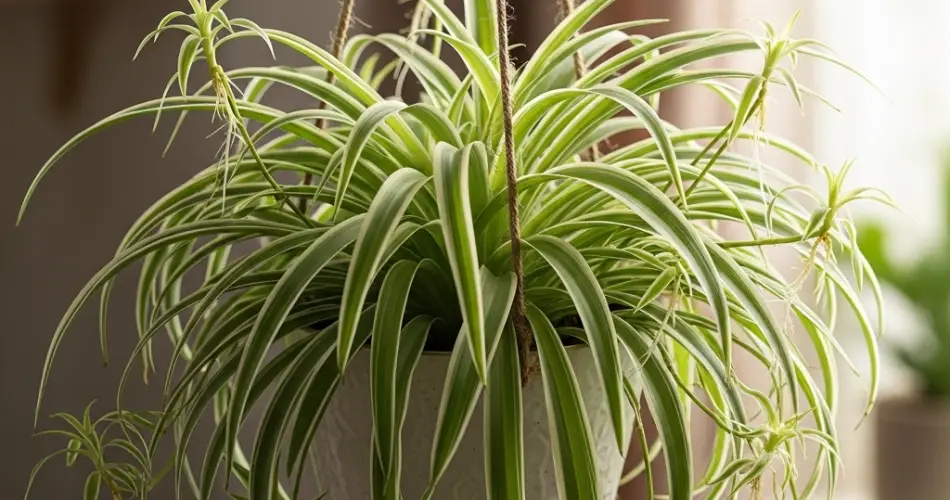
Spider plants (Chlorophytum comosum) are among the most resilient houseplants, known for their arching green leaves and occasional white stripes. Despite their durability, spider plants can sometimes wilt, signaling stress from environmental factors, improper watering, or pest issues. Recognizing the causes and taking prompt action can restore your plant’s health, ensuring it remains vibrant and lush.
Understanding Why Spider Plants Wilt
Wilting is a common symptom of stress, but it doesn’t always indicate the same problem. Common causes include:
-
Overwatering: Excess water suffocates roots, leading to root rot and drooping leaves.
-
Underwatering: Lack of moisture causes leaves to droop and curl.
-
Light issues: Too little light slows growth and weakens leaves, while too much direct sunlight can scorch foliage.
-
Temperature stress: Exposure to cold drafts or excessive heat can cause leaves to wilt.
-
Pests and diseases: Spider mites, aphids, or fungal infections can weaken the plant, leading to drooping.
Identifying the underlying cause is the first step in reviving a wilting spider plant.
Step 1: Assess Watering Habits
Watering is the most common factor affecting spider plant vitality:
-
Check the soil: Gently insert your finger into the top 1–2 inches of soil. If it feels dry, the plant needs water; if it’s soggy, overwatering is likely the issue.
-
Correcting overwatering: If soil is waterlogged, remove the plant from its pot and inspect the roots. Trim any dark, mushy roots and repot the plant in fresh, well-draining soil. Reduce watering frequency and ensure the pot has drainage holes.
-
Correcting underwatering: If the soil is dry, water the plant thoroughly until water drains from the bottom. Maintain consistent moisture, allowing the top inch of soil to dry between waterings.
Proper watering restores turgor pressure in leaves, helping the plant regain its upright, healthy appearance.
Step 2: Evaluate Light Conditions
Light significantly influences spider plant health:
-
Optimal light: Spider plants thrive in bright, indirect light. Place them near east- or north-facing windows for the best results.
-
Avoid direct sun: Excessive direct sunlight can scorch leaves, causing browning and wilting. Use sheer curtains to diffuse intense light.
-
Low-light recovery: If the plant is in a dark corner, gradually move it to a brighter spot to prevent shock.
Ensuring the plant receives the right amount of light encourages photosynthesis and restores leaf vigor.
Step 3: Adjust Temperature and Humidity
Spider plants are sensitive to temperature extremes:
-
Ideal range: Maintain indoor temperatures between 65–75°F (18–24°C) during the day and above 55°F (13°C) at night.
-
Avoid drafts and heat sources: Keep the plant away from cold windows, air vents, radiators, or heaters.
-
Humidity support: Average indoor humidity is sufficient, but occasional misting can help during dry winter months.
Stable conditions reduce stress and allow the plant to focus energy on recovery.
Step 4: Inspect for Pests and Disease
Pests and fungal infections can contribute to wilting:
-
Check leaves and stems: Look for tiny insects, webs, or sticky residue.
-
Treatment: Wipe leaves with a damp cloth or apply mild insecticidal soap for pest infestations. For fungal issues, remove affected leaves and ensure proper air circulation.
-
Prevent recurrence: Regularly inspect the plant and maintain clean surroundings to minimize risk.
Controlling pests and disease removes stressors that impede the plant’s recovery.
Step 5: Prune and Propagate
Pruning helps redirect the plant’s energy:
-
Remove damaged leaves: Trim yellowing, brown, or wilted leaves to improve appearance and encourage new growth.
-
Propagate healthy offsets: Spider plants produce “pups” or offshoots that can be propagated to create new plants. This not only expands your collection but also allows the main plant to focus resources on recovery.
Pruning revitalizes the plant and promotes stronger, healthier foliage.
Step 6: Monitor and Maintain
Recovery takes time, so ongoing care is essential:
-
Consistent watering: Adjust frequency based on seasonal growth cycles.
-
Proper fertilization: Apply a diluted balanced fertilizer during the growing season to support renewed growth. Avoid fertilizing a stressed plant until it shows signs of recovery.
-
Regular observation: Monitor for new signs of wilting or discoloration, adjusting care as needed.
Consistent, attentive care ensures your spider plant regains its health and continues thriving.
Final Thoughts
A wilting spider plant is a signal, not a lost cause. By assessing watering, light, temperature, humidity, and pest presence, you can take targeted action to restore vitality. Proper pruning, careful repotting, and attentive ongoing care allow spider plants to recover, regaining their signature arching green leaves and vibrant appearance. With the right approach, even a stressed spider plant can bounce back and continue adding beauty to your indoor space.


