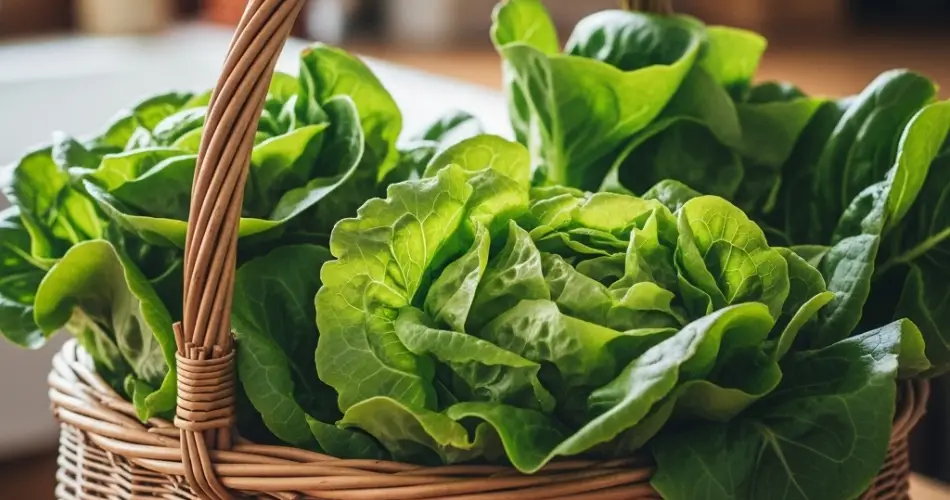
Regrowing lettuce from kitchen scraps is one of the easiest and most rewarding gardening projects you can do at home. Whether you live in a house with a garden or a small apartment with limited space, you can regrow fresh, crisp lettuce using just water, sunlight, and leftover lettuce bases. Not only does this save money, but it also reduces food waste and provides a continuous source of greens for your meals.
What Types of Lettuce Can Be Regrown?
Most types of leafy lettuces can be regrown from the base, including romaine, butterhead, green leaf, and red leaf varieties. Romaine tends to perform the best when regrown in water, but other varieties will also sprout and produce edible leaves.
Step-by-Step Guide to Regrowing Lettuce
1. Prepare the Lettuce Base
After using the leafy part of your lettuce in a salad or sandwich, save the bottom part of the head – roughly 2 inches of the stem end. Make sure the base is firm and hasn’t begun to rot. Remove any browned or damaged leaves still attached to the base.
2. Place in Water
Place the lettuce base in a shallow bowl or dish with enough water to cover the bottom half of the stem. Avoid submerging the whole base to prevent rot. Use clean, room-temperature water and place the dish in a bright spot, such as a windowsill that gets indirect sunlight.
3. Change the Water Regularly
To keep the growing environment clean and reduce the risk of mold, change the water every one to two days. Rinse the base gently when you change the water to remove any buildup.
4. Observe New Growth
Within 3–5 days, you should see new leaves beginning to sprout from the center of the base. Roots may also begin to appear at the bottom. The leaves will continue to grow as long as they receive sufficient light and fresh water.
5. Transfer to Soil (Optional)
While lettuce can continue to grow in water, transferring it to soil after a week or so will help it grow bigger and healthier. When the roots are about an inch long and the new leaves have started to form, you can plant the base in a pot or garden bed. Use a well-draining potting mix and bury the base slightly under the soil, with the new growth exposed above the surface.
6. Care and Maintenance
Keep the soil moist but not soggy. Lettuce prefers cooler weather and partial sunlight, especially during hot seasons. Water regularly and watch for pests such as aphids or slugs. To prevent bitter-tasting leaves, make sure the plant doesn’t get too much direct sun and avoid allowing it to bolt (send up a flowering stalk), which can happen if temperatures are too warm.
Harvesting Your Regrown Lettuce
Regrown lettuce won’t produce a full head like the original, but you can harvest the leaves as they grow. Snip outer leaves once they reach about 3–4 inches in length, and allow the inner leaves to continue growing. This method is known as “cut and come again” and allows multiple harvests from the same plant.
Tips for Success
-
Use filtered water if your tap water contains high levels of chlorine or other chemicals.
-
Choose organic lettuce when possible, as some non-organic varieties may be treated with growth inhibitors.
-
Ensure good airflow around the lettuce base to prevent mold.
-
Supplement with liquid fertilizer if regrowing in water for more than a week to promote healthier leaves.
Common Issues and Solutions
-
No new growth: The base may be too old or damaged. Try again with a fresher piece.
-
Rotting base: Reduce the amount of water or change the water more frequently.
-
Leggy growth: Lack of sufficient light can cause thin, weak stems. Move the container to a brighter location.
Final Thoughts
Regrowing lettuce from scraps is a sustainable, low-cost way to enjoy fresh greens at home. It’s an excellent introduction to gardening for beginners and a fun experiment for children as well. Whether you’re looking to reduce waste or simply want a more hands-on approach to your food, regrowing lettuce is a small but impactful step towards a more self-sufficient lifestyle. Give it a try, and enjoy the satisfaction of growing your own food – even from something that might otherwise end up in the trash.


