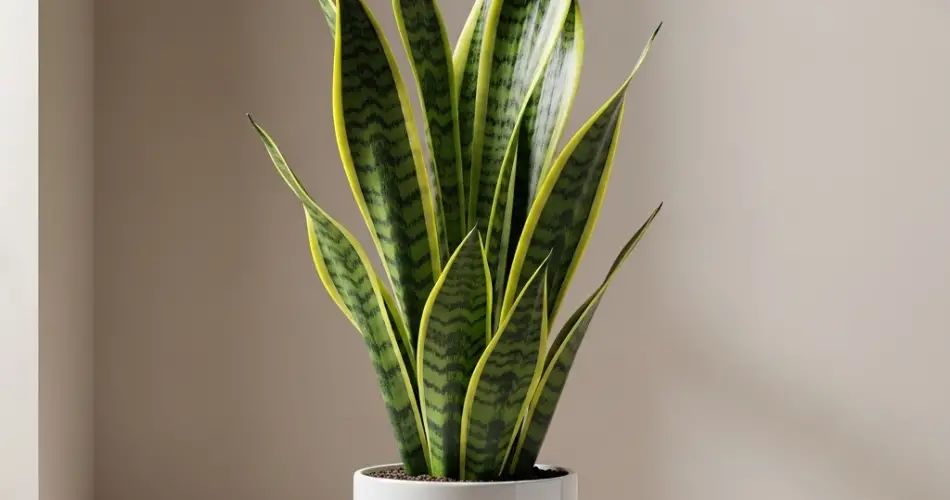
If you’ve ever struggled to keep houseplants alive, you’re not alone. Many people who love greenery find themselves unintentionally “plant killers” because of overwatering, lack of light, or simply not knowing a plant’s needs. Luckily, the snake plant (Sansevieria), also known as mother-in-law’s tongue, is one of the toughest, most forgiving houseplants you can grow. It’s perfect for beginners and anyone who has a history of struggling with plants.
This guide will teach you how to successfully raise a snake plant even if you’ve killed every other plant before. With minimal care and some simple tips, you’ll soon enjoy this elegant, low-maintenance greenery in your home.
Why Snake Plant Is Perfect for Beginners
Snake plants are nearly indestructible, thriving on neglect rather than constant care. Here’s why they make excellent beginner plants:
-
Tolerant of low light: Snake plants survive in dim corners where many plants fail.
-
Low water needs: They store water in thick leaves and only need watering every few weeks.
-
Air purifying: Snake plants filter toxins like formaldehyde and benzene from indoor air.
-
Pest resistant: They’re rarely bothered by insects or diseases.
-
Attractive and architectural: Their upright, sword-shaped leaves add style to any room.
Step 1: Choose the Right Snake Plant Variety
There are many varieties of snake plants, from tall, slender types like Sansevieria trifasciata to shorter, bushier varieties such as Sansevieria hahnii. For beginners, a standard Sansevieria trifasciata with its classic green and yellow-striped leaves is a great choice because it’s widely available and easy to care for.
Step 2: Select the Proper Pot and Soil
Snake plants prefer well-draining soil and pots with drainage holes to prevent root rot.
-
Use a cactus or succulent potting mix, which drains quickly.
-
If you want to use regular potting soil, mix it with sand or perlite to improve drainage.
-
Choose a pot with drainage holes to allow excess water to escape.
Step 3: Find the Best Location in Your Home
Snake plants are very adaptable but will grow best in bright, indirect light.
-
They tolerate low light but may grow slower.
-
Avoid direct sunlight, which can scorch the leaves.
-
A north or east-facing window is ideal.
-
Snake plants can also survive in fluorescent-lit offices or bathrooms.
Step 4: Watering Basics — Less Is More
Overwatering is the most common mistake made with snake plants, especially by beginners eager to care for their new plant.
-
Water your snake plant only when the soil is completely dry — usually every 2-4 weeks.
-
During winter, reduce watering even further.
-
When watering, soak the soil evenly and let excess water drain out.
-
Never let the plant sit in water.
Step 5: Temperature and Humidity Preferences
Snake plants are hardy and can handle a wide range of indoor temperatures.
-
Ideal temperature range is between 60°F and 85°F (16°C to 29°C).
-
Keep your snake plant away from drafts or cold windows during winter.
-
Normal indoor humidity is fine; they don’t require extra humidity.
Step 6: Fertilizing Snake Plants
Snake plants don’t need much fertilizer but benefit from occasional feeding during the growing season.
-
Use a balanced, water-soluble fertilizer diluted to half strength once a month in spring and summer.
-
Avoid fertilizing in fall and winter when growth slows.
-
Too much fertilizer can harm the plant, so less is more.
Step 7: Repotting Tips for Healthy Growth
Snake plants grow slowly and don’t need frequent repotting.
-
Repot every 2-3 years or when the plant becomes root-bound.
-
Choose a pot just one size larger than the current one.
-
Repotting is best done in spring or early summer.
Step 8: Propagation Made Simple
If you want to multiply your snake plants, propagation is easy.
-
The simplest method is leaf cuttings: cut a healthy leaf into sections, let them callous for a day or two, and plant the cuttings in moist, well-draining soil.
-
Alternatively, divide the plant during repotting by separating rhizomes and replanting.
-
Keep the propagated plants in indirect light and water sparingly until roots establish.
Troubleshooting Common Issues
-
Yellow leaves: Usually a sign of overwatering or poor drainage. Allow soil to dry and check pot drainage.
-
Soft or mushy leaves: Indicates root rot—cut away affected roots and repot in dry soil.
-
Brown leaf tips: Could be from underwatering or low humidity.
-
Pests: Rare but watch for mealybugs or spider mites; wipe leaves with a damp cloth or treat with insecticidal soap if needed.
Final Thoughts
Snake plants are ideal for anyone who wants the beauty of houseplants without the stress of high-maintenance care. They’re forgiving, adaptable, and resilient, making them perfect for “plant killers” who want to succeed in indoor gardening.
By choosing the right soil, watering sparingly, providing indirect light, and following simple care tips, you’ll keep your snake plant thriving for years. Soon, you’ll gain the confidence to try other plants, knowing you’ve mastered one of the easiest and most attractive houseplants around.


