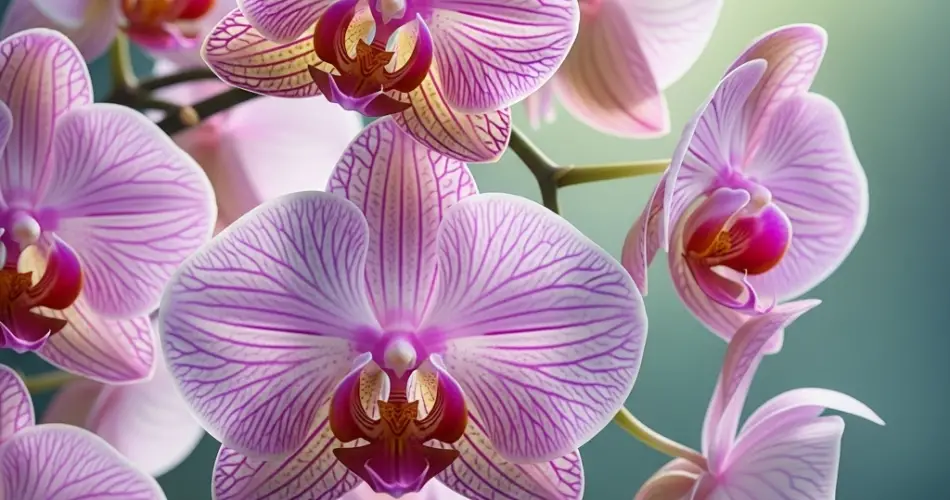
Living in a small apartment doesn’t mean you have to give up on your green dreams—especially when it comes to growing orchids. These stunning, exotic plants are often seen as high-maintenance, but they’re actually quite adaptable and ideal for indoor spaces. With the right care, you can enjoy vibrant, long-lasting blooms right from your living room, kitchen, or windowsill.
Here’s a comprehensive guide to raising orchids successfully in a small apartment, even if you’re a beginner.
Why Orchids Are Perfect for Apartment Life
Orchids are elegant and compact. They don’t take up much space, and with dozens of species suited for indoor growth, you’ll find plenty of varieties that thrive in containers. The most popular apartment-friendly orchids include:
-
Phalaenopsis (Moth Orchid): Low-maintenance and blooms last for months.
-
Dendrobium: A bit more light-loving but equally rewarding.
-
Cattleya: Known for large, fragrant flowers.
-
Oncidium: Offers an impressive spray of small blooms.
Each type offers something special, and many varieties bloom more than once a year when properly cared for.
Choosing the Right Spot
Orchids thrive on indirect sunlight, making them a great choice for apartments with windows that don’t get harsh rays all day. Place your orchid near an east- or north-facing window where it can get bright but filtered light.
If natural light is limited, LED grow lights can be used to supplement. Aim for about 10 to 14 hours of light per day to mimic their natural tropical habitat.
Avoid placing orchids near heaters, air conditioners, or drafty windows, as sudden temperature changes can cause stress.
Potting and Soil
Orchids don’t grow in regular potting soil. Instead, they need a special orchid mix that allows air to circulate around their roots. These mixes usually contain bark, perlite, charcoal, or sphagnum moss.
Use a clear plastic pot with drainage holes to make it easier to monitor root health and moisture levels. Then place that pot inside a decorative outer pot if desired.
Repot orchids every 1 to 2 years, ideally after they’ve finished blooming.
Watering the Right Way
Overwatering is the most common mistake when it comes to orchid care. These tropical plants prefer to dry out slightly between waterings.
Here’s how to water orchids indoors:
-
Check if the roots are silvery-white and dry—this means it’s time to water.
-
Place the pot under a gentle stream of lukewarm water, letting it run through the drainage holes.
-
Let it drain completely before placing it back in its decorative pot.
Most orchids need watering every 7 to 10 days, depending on humidity and temperature. Avoid letting the roots sit in water to prevent rot.
Humidity and Air Circulation
Orchids love humidity, ideally around 50% to 70%, which can be hard to maintain indoors. To increase humidity in a small space, try one of the following:
-
Place the orchid pot on a humidity tray (a shallow tray filled with water and pebbles).
-
Use a small humidifier nearby.
-
Mist the leaves lightly in the morning (but not the flowers or roots directly).
Good air circulation is also important to prevent fungal problems. Keep your orchids in a space with light airflow but not strong drafts.
Feeding and Fertilizing
Orchids benefit from regular feeding during their active growth period (usually spring and summer). Use a balanced orchid fertilizer diluted to half strength every 2–3 weeks.
During dormancy or winter months, reduce feeding to once a month or stop altogether until new growth appears.
Encouraging Re-Blooming
Once the flowers drop, don’t toss the plant—it can bloom again! If you’re growing a Phalaenopsis, you can encourage a second round of blooms by trimming the flower spike just above a visible node (a small bump on the stem).
With other types, such as Dendrobium or Cattleya, you may need to wait for a new pseudobulb or cane to grow before blooming occurs again.
Proper lighting, regular watering, and patience are the keys to re-blooming success.
Common Issues and Solutions
-
Yellow Leaves: Often caused by overwatering or lack of light.
-
Wrinkled Leaves: Usually a sign of underwatering or root issues.
-
Spotted Flowers or Mold: Caused by excess humidity without airflow.
Adjust your care routine as needed, and remember that orchids are forgiving once you understand their rhythm.
Final Thoughts
Raising orchids in a small apartment is entirely possible and incredibly rewarding. These graceful plants don’t require much space—just a bit of light, moisture, and occasional feeding. With minimal effort, they’ll reward you with breathtaking blooms and a touch of natural beauty that transforms even the tiniest living area into a tropical retreat.
Whether you’re a complete novice or someone looking to bring more greenery indoors, orchids offer an elegant and low-maintenance way to enjoy the joy of gardening, no matter how small your space.


