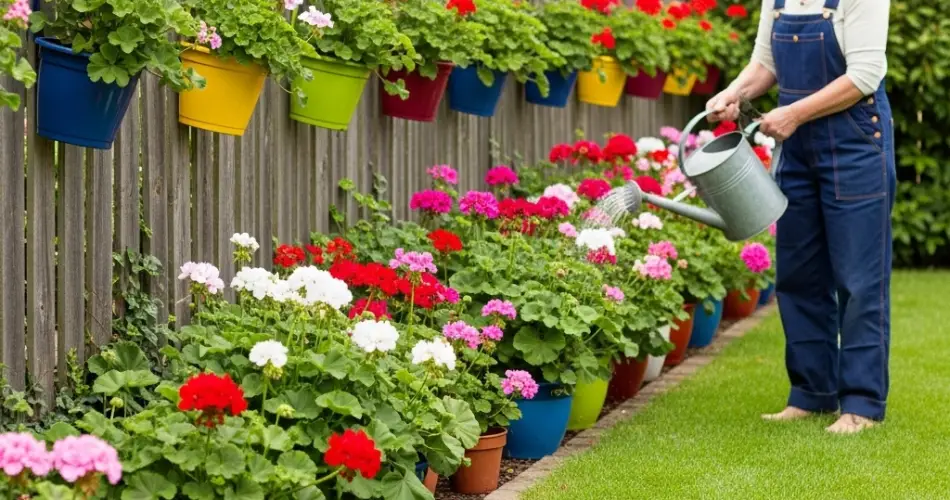
Geraniums are among the most popular and charming flowering plants you can add to your backyard. Known for their vibrant blooms and fragrant foliage, geraniums brighten any garden with minimal effort. Whether you’re a beginner or simply want an easy-care plant that offers color and fragrance, geraniums are a perfect choice.
If you want to grow geraniums successfully without the usual gardening headaches, this guide will walk you through straightforward steps to raise healthy, flourishing geraniums in your backyard with zero hassle.
Why Choose Geraniums?
Geraniums have long been favored by gardeners because:
-
They are hardy and adaptable. Geraniums tolerate a range of climates and soil types.
-
They bloom for months. With proper care, geraniums produce bright flowers from spring until fall.
-
They repel pests. Their scent naturally deters mosquitoes and other insects.
-
They require minimal watering. Geraniums are drought-tolerant and can survive dry spells.
-
They’re versatile. Suitable for garden beds, containers, hanging baskets, or window boxes.
Step 1: Selecting the Right Geranium
There are different types of geraniums, but the most common backyard varieties are:
-
Zonal Geraniums (Pelargonium hortorum): Known for their round leaves and bold flower colors.
-
Ivy Geraniums: Trailing plants perfect for hanging baskets.
-
Scented-leaf Geraniums: Grown mainly for their fragrant leaves.
Choose a variety that suits your style and garden space.
Step 2: Choosing the Perfect Location
Geraniums love sunlight and need at least 6 hours of direct sun daily to bloom abundantly.
-
Pick a sunny spot in your backyard with good air circulation.
-
Avoid overly shaded or damp areas, which can lead to fungal issues.
-
Geraniums also do well in containers, so if space is limited, place pots where they can get ample sun.
Step 3: Preparing the Soil
Healthy geraniums start with well-draining soil.
-
Loosen the soil and amend it with compost or organic matter to improve fertility and drainage.
-
Geraniums prefer slightly acidic to neutral soil with a pH of about 6.0 to 7.0.
-
Avoid heavy clay soil that retains water.
Step 4: Planting Geraniums
-
Dig a hole slightly larger than the root ball.
-
Place the plant in the hole so that the top of the root ball is level with the soil surface.
-
Backfill with soil and firm gently.
-
Space plants about 12 to 18 inches apart to allow air flow and room to grow.
Step 5: Watering Geraniums
Geraniums prefer slightly dry conditions and can tolerate drought once established.
-
Water deeply but infrequently. Let the top inch of soil dry out before watering again.
-
Overwatering can cause root rot and yellowing leaves.
-
During hot weather, increase watering but avoid soggy soil.
Step 6: Fertilizing Geraniums
Feeding your geraniums encourages healthy foliage and vibrant flowers.
-
Use a balanced, water-soluble fertilizer every 4 to 6 weeks during the growing season.
-
Avoid excessive nitrogen fertilizer, which promotes leafy growth but fewer flowers.
-
Alternatively, apply slow-release fertilizer at planting time.
Step 7: Pruning and Deadheading
Regular maintenance helps geraniums look their best and encourages more blooms.
-
Remove faded or dead flowers by pinching or cutting to encourage new blooms.
-
Trim back leggy stems to promote bushier growth.
-
In late fall, prune plants back by about one-third to prepare for dormancy.
Step 8: Managing Pests and Diseases
Geraniums are generally pest-resistant, but watch for:
-
Aphids: Small green or black insects that cluster on new growth. Treat with insecticidal soap.
-
Whiteflies: Tiny white flying insects; remove by spraying or introducing natural predators.
-
Powdery Mildew: White powdery spots on leaves caused by high humidity. Improve air circulation and avoid overhead watering.
-
Botrytis (Gray Mold): Can develop in wet, crowded conditions. Remove affected leaves and ensure proper spacing.
Step 9: Overwintering Geraniums
In colder climates, geraniums are usually grown as annuals, but you can save them for next season:
-
Before frost, bring container-grown geraniums indoors to a bright, cool room.
-
Reduce watering and stop fertilizing.
-
Alternatively, take cuttings to propagate new plants for spring.
Step 10: Tips for Zero-Hassle Success
-
Choose healthy, disease-free plants from a nursery.
-
Plant geraniums in the best location right away to avoid transplant shock.
-
Avoid overwatering and give plants plenty of sunlight.
-
Regularly remove dead flowers and prune to keep plants vigorous.
-
Use containers if your backyard soil is poor or drainage is a problem.
Final Thoughts
Raising geraniums in your backyard can be a truly rewarding experience without the usual gardening struggles. Their adaptability, minimal water needs, and resistance to pests make them ideal for gardeners of all skill levels—even those who want zero hassle.
By selecting the right variety, planting in sunny well-drained soil, watering wisely, and performing simple maintenance, you can enjoy months of beautiful blooms that brighten your outdoor space.
Start with these easy steps, and soon you’ll have a vibrant geranium garden that’s as effortless as it is stunning.


