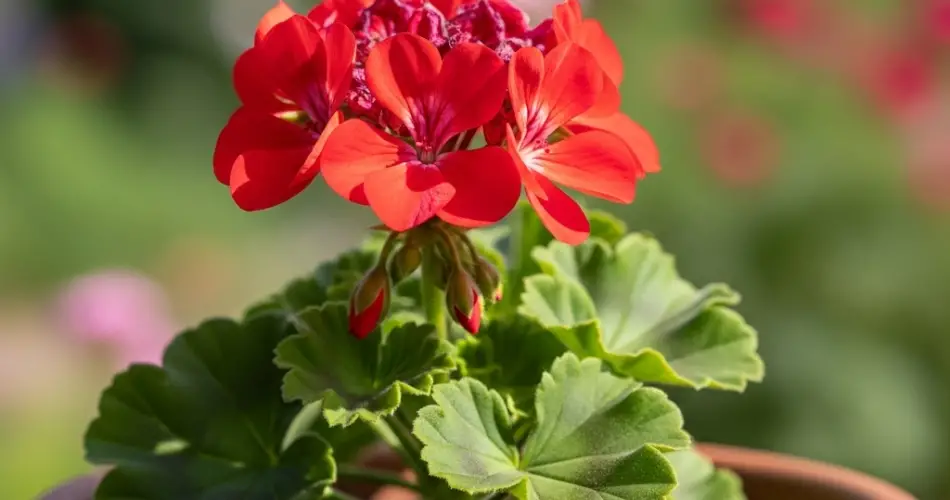
Geraniums are a timeless favorite among flower enthusiasts, admired for their vibrant blooms, long flowering season, and resilience. Growing geraniums from seed may sound like a time-consuming task, but with the right approach, you can go from seed to a flourishing display of color in just a few months.
If you’re looking for a rewarding, budget-friendly way to fill your garden or balcony with beautiful flowers, starting geraniums from seed is easier than you might think. Here’s how to do it quickly and effectively—even if you’re a beginner.
Why Grow Geraniums from Seed?
While garden centers offer geraniums as transplants, growing them from seed has several advantages:
-
Cost-effective: One packet of seeds yields multiple plants.
-
Greater variety: Seed catalogs offer a broader range of colors and forms.
-
Healthier plants: Seed-grown geraniums often develop stronger root systems and adapt better to their environment.
With just a little care and attention, you can enjoy robust, blooming plants in record time.
Step 1: Choose the Right Seeds
Start by selecting high-quality seeds from a trusted source. Look for zonal geraniums (Pelargonium x hortorum), which are the most common and easiest to grow from seed.
Check the seed packet for the expected germination time and ideal planting season. Most geranium seeds should be sown indoors 8 to 10 weeks before the last expected frost date in your area.
Step 2: Prepare for Germination
Geranium seeds have a hard outer coating, which can slow down germination. For faster sprouting:
-
Scarify the seeds by gently rubbing them with fine sandpaper or a nail file.
-
Soak them in warm water for 6 to 12 hours before planting to soften the seed coat.
Prepare seed trays or small pots with a light, well-draining seed-starting mix. Moisten the soil thoroughly before sowing.
Step 3: Plant the Seeds
-
Sow seeds about 1/8 inch (3 mm) deep, and cover them lightly with soil.
-
Keep the trays in a warm, well-lit area—a temperature of 70–75°F (21–24°C) is ideal for germination.
-
Cover the tray with a clear plastic lid or wrap to maintain humidity.
Germination typically occurs within 7 to 14 days, though it can take a little longer depending on temperature and seed variety.
Step 4: Provide Strong Light
Once the seedlings emerge, remove the plastic cover and move them to a bright location.
-
Place them on a sunny windowsill or under a grow light for 12–16 hours per day.
-
If the light source is too weak, seedlings will become leggy and weak.
Keep the soil evenly moist but not soggy. Water gently to avoid disturbing the tiny roots.
Step 5: Thin and Transplant Seedlings
When the seedlings develop their first true leaves (the second set of leaves), thin them out by removing the weakest ones. This gives the healthiest plants more room to grow.
After 4–6 weeks, or once the seedlings are strong enough to handle, transplant them into individual pots filled with a quality potting mix.
Step 6: Harden Off Before Moving Outdoors
Before placing your young geraniums outdoors, they must be hardened off—a process that gradually acclimates them to outdoor conditions.
-
About 7 to 10 days before transplanting into outdoor containers or garden beds, place the seedlings outdoors for a few hours each day.
-
Gradually increase exposure to sun and wind until the plants are strong enough for full-day outdoor living.
Step 7: Care for Rapid Growth and Blooms
Once planted in their final location (either containers or the garden), continue with proper care to encourage lush growth and continuous blooms.
-
Sunlight: Geraniums love full sun—at least 6 hours per day is ideal.
-
Watering: Water thoroughly when the top inch of soil feels dry. Avoid letting the soil stay soggy.
-
Fertilizing: Use a balanced liquid fertilizer every 2 to 4 weeks during the growing season to encourage flowering.
-
Deadheading: Remove faded blooms regularly to encourage new flowers and keep the plant looking tidy.
Step 8: Troubleshooting Common Issues
While geraniums are low-maintenance, here are a few tips to prevent problems:
-
Yellowing leaves: Often caused by overwatering or poor drainage.
-
Lack of blooms: Can result from too much shade or insufficient feeding.
-
Pests: Watch for aphids, spider mites, or whiteflies, especially on indoor plants. Treat with insecticidal soap if necessary.
Healthy geraniums are rarely troubled by pests or diseases when grown with care.
Final Thoughts
Raising geraniums from seed is a satisfying and surprisingly fast way to fill your home or garden with color. With proper lighting, moisture, and care, you can go from seed to stunning, blooming plants in just a couple of months. Whether planted in containers, window boxes, or garden beds, geraniums reward your efforts with continuous beauty and vibrant charm.
Take the time to start them right, and you’ll enjoy the rewards all season long—and beyond.


