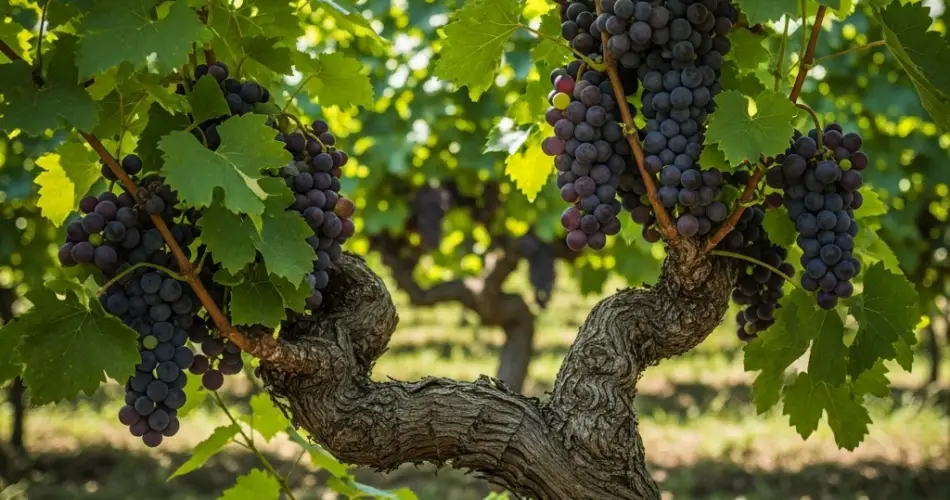
If you want to enjoy more grapes and keep your grapevine healthy, proper pruning is essential. Whether you grow grapes for fresh eating, juice, or wine, understanding the two main types of pruning and when to apply them will help ensure strong growth, a tidy structure, and generous fruit production year after year.
Pruning grapevines isn’t just a maintenance task—it’s a vital technique that directly impacts the quantity and quality of your harvest.
Why Pruning Is So Important
Grapevines are vigorous climbers that can quickly become tangled and unproductive if left unchecked. Pruning:
-
Promotes the growth of fruiting canes
-
Improves air circulation and sunlight penetration
-
Prevents disease by removing old or dead wood
-
Helps manage vine shape and growth direction
-
Encourages larger and sweeter grapes
Skipping or doing improper pruning often leads to overgrowth, small or sour fruits, and a tangled mess of vines.
The Two Main Types of Pruning
There are two key types of grapevine pruning: formation pruning (training) and production pruning (fruiting). Each has its purpose and timing.
1. Formation Pruning (Structural Pruning)
This type of pruning is done when the vine is young or newly planted, and its goal is to establish the main structure of the plant. It’s usually performed during the first 2–3 years of the vine’s life.
Goals:
-
Create a strong, permanent trunk and arms (cordons)
-
Train the vine along a trellis, wire, or pergola
-
Define the base from which future fruiting branches will grow
How to Do It:
-
In the first year, allow only one main shoot to grow into a vertical trunk. Remove all side shoots.
-
In the second year, choose two lateral arms to form the cordons (horizontal arms), trimming off others.
-
Tie the cordons to a support and keep pruning back excess growth until the form is established.
This initial phase is critical for long-term productivity and ease of maintenance.
2. Production Pruning (Fruiting Pruning)
Once your grapevine is mature and well-formed, annual production pruning is needed to stimulate fruit-bearing shoots and manage the number of grape clusters.
Best Time:
Winter or late autumn, when the vine is dormant (no leaves or active sap flow). This usually falls between late December and early March, depending on your climate.
How to Do It:
-
Identify the canes that fruited the previous season. These are typically thin, one-year-old shoots.
-
Cut back most of these canes, leaving only a few buds (2–3 per shoot) that will grow new fruiting canes in the spring.
-
Also, leave one or two longer canes with 8–10 buds for future fruit production.
-
Remove any dry, diseased, or overcrowded growth.
-
Always prune back to healthy, outward-facing buds.
The goal is to strike a balance: not too many buds (which can weaken the plant and lead to tiny fruit), and not too few (which limits production).
Understanding Bud Position and Yield
Each bud on a grapevine holds the potential to grow into a shoot, which may bear grape clusters. Buds located in the middle section of a one-year-old cane typically produce the best fruit.
If too many buds are left, the vine becomes overworked and produces small, low-quality grapes. If pruned correctly, the vine concentrates energy into fewer clusters, resulting in larger and sweeter fruit.
Additional Tips for Healthy Vines
-
Sanitize your tools before and after pruning to prevent disease.
-
Sharpen your pruners for clean cuts that heal quickly.
-
Use gloves and eye protection, especially with vigorous vines.
-
Tie canes to support wires loosely to guide growth and prevent damage from wind.
What to Expect After Pruning
After winter pruning, new shoots will begin growing in spring. These will flower and produce grape clusters by summer. If pruning is done correctly, the vine remains balanced—strong, manageable, and fruitful.
Keep in mind that grapevines are perennials, and with proper care, they can produce for decades. Regular pruning not only helps you harvest better fruit but also keeps the vine healthier year after year.
Final Thoughts
Learning how to prune a grapevine properly—by applying both formation and production pruning—makes a tremendous difference in yield and vine longevity. Done at the right time and with the right technique, pruning encourages stronger growth, tastier grapes, and easier vine management.
Whether you’re growing a backyard vine for shade and fruit or cultivating multiple vines in a vineyard, proper pruning is the foundation of a thriving, productive grape plant. Don’t skip it—your future harvest depends on it!


