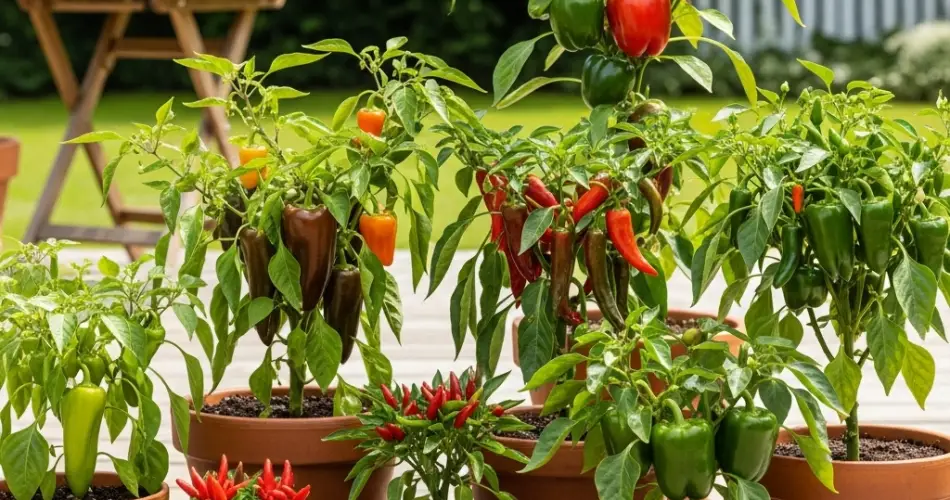
Peppers are one of the most rewarding vegetables to grow at home. Whether you have a large garden or a small balcony, growing peppers in pots is an excellent way to enjoy fresh, flavorful produce. With the right care and a bit of patience, even beginners can successfully germinate, plant, and harvest vibrant pepper plants. Here’s a detailed guide on how to grow peppers in containers, from seed germination to transplanting and beyond.
Why Grow Peppers in Pots?
Growing peppers in pots offers many advantages:
-
Space-saving: Ideal for patios, balconies, and small gardens.
-
Control over soil and conditions: You can optimize the growing medium and drainage easily.
-
Fewer pests and diseases: Potted plants are less vulnerable to some ground-based threats.
-
Mobility: You can move the pots to ensure they receive maximum sunlight or to protect them from extreme weather.
Choosing the Right Pepper Variety
Before starting, decide which type of pepper you’d like to grow. Sweet bell peppers, jalapeños, cayenne, and chili peppers are all great options for container gardening. Smaller or medium-sized varieties tend to perform best in pots. Read the seed packet for maturity time and growth habits to ensure they match your growing space.
Materials You’ll Need
-
Pepper seeds of your chosen variety
-
Seedling trays or small containers for germination
-
Quality potting mix (light and well-draining)
-
Compost or organic fertilizer
-
3–5 gallon pots with drainage holes
-
Spray bottle for watering
-
Warm, sunny location or grow light setup
Step 1: Germinating Pepper Seeds
Peppers need warm temperatures to germinate, ideally between 24–30°C (75–86°F). Here’s how to get started:
-
Soak the Seeds (optional): To speed up germination, soak your seeds in warm water for 8–12 hours.
-
Prepare the Containers: Fill seed trays or small pots with moistened potting mix.
-
Plant the Seeds: Sow the seeds about 0.5 cm deep (¼ inch) in the soil.
-
Cover and Warm: Cover the trays lightly with plastic wrap or a dome to retain humidity. Place them in a warm location.
-
Mist Daily: Use a spray bottle to keep the soil moist but not waterlogged.
-
Germination Time: Seeds usually sprout in 7–14 days, depending on the variety and warmth.
Once seedlings appear, remove the cover and place them in a sunny spot or under a grow light.
Step 2: Transplanting to Pots
After 4–6 weeks, or when seedlings have at least two sets of true leaves, they’re ready for transplanting.
-
Choose the Right Pot: A 3–5 gallon container works well for one pepper plant.
-
Prepare the Soil: Use a mix of potting soil and compost. Add a slow-release organic fertilizer to support early growth.
-
Transplant Carefully: Gently remove the seedling from its starter container, keeping the root ball intact. Plant it slightly deeper than it was before.
-
Water Gently: Water well after transplanting, and place the pot in a sunny location with at least 6–8 hours of direct sunlight daily.
Step 3: Ongoing Care
-
Sunlight: Peppers thrive in warmth and light. Ensure they receive full sun.
-
Watering: Keep the soil consistently moist but avoid overwatering. The top layer should dry slightly before the next watering.
-
Feeding: Apply a balanced liquid fertilizer every 2–3 weeks, or as per your fertilizer’s instructions.
-
Support: As plants grow, especially with heavy fruit, stake them or use small cages to prevent bending or breakage.
-
Pruning: Pinch off early flowers if the plant is still small to encourage better root and stem development.
Harvesting Your Peppers
Peppers can be harvested green or left to ripen to red, yellow, or orange depending on the variety. Use scissors or garden snips to cut the fruit from the plant, avoiding damage to stems. Frequent harvesting encourages more fruit production.
Common Problems and Solutions
-
Yellowing Leaves: May indicate overwatering or nutrient deficiency.
-
No Flowers or Fruit: Check for sufficient sunlight or excess nitrogen.
-
Pests: Watch for aphids or spider mites. Treat with neem oil or insecticidal soap if needed.
Final Thoughts
Growing peppers in pots is an easy and enjoyable way to bring flavor and color into your kitchen. From spicy chilies to sweet bells, peppers thrive in containers when given the right conditions. With a little care, you’ll soon enjoy homegrown peppers that taste better than anything store-bought.


