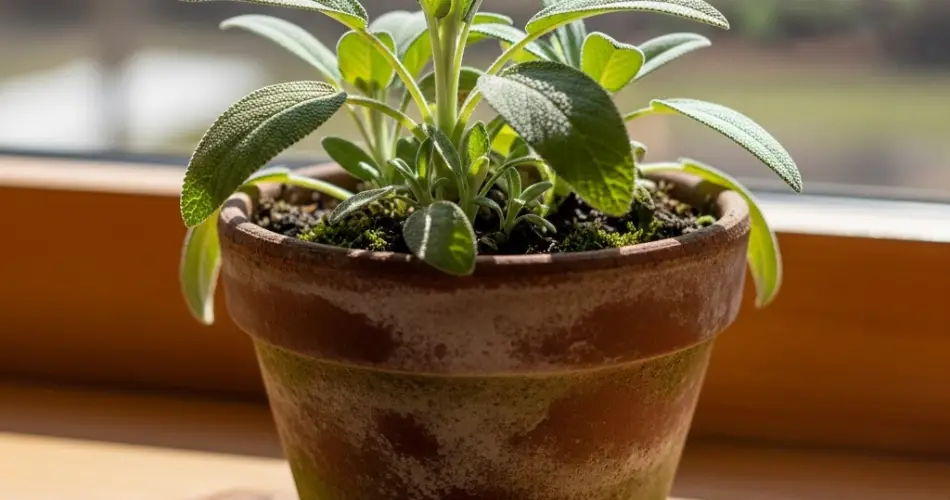
Sage is a fragrant, versatile herb that has been valued for centuries for its culinary, medicinal, and ornamental uses. Its earthy flavor enhances dishes such as roasted meats, sauces, and breads, while its soft, gray-green leaves add beauty to any container garden. For home gardeners, one of the most rewarding aspects of sage is how easy it is to propagate. Whether you want to expand your collection of plants, share them with friends, or simply rejuvenate an older plant, propagating sage in pots is an effective and enjoyable way to do so.
This guide explores different methods of sage propagation, the best conditions for potted growth, and practical tips to ensure success.
Why Propagate Sage in Pots?
Growing sage in pots offers several advantages, especially when you are propagating new plants. Containers give you control over the soil quality, drainage, and placement of the plant. You can move pots indoors or outdoors as needed, which is particularly useful during propagation since young plants often require extra protection from extreme temperatures and pests. Additionally, growing sage in pots makes it easier to monitor moisture levels and reduce the risk of overcrowding.
Methods of Propagation
There are three main ways to propagate sage in pots: from seeds, cuttings, or division. Each method has its own benefits, and the choice depends on how quickly you want results and what resources you have on hand.
1. Propagating Sage from Seeds
Growing sage from seed is a slow but rewarding process. Sage seeds have a relatively low germination rate, so patience and attention are required.
-
Container and Soil: Use a shallow seed tray or a small pot filled with well-draining potting mix. A blend containing perlite or sand helps improve aeration.
-
Sowing Seeds: Scatter seeds on the surface and lightly press them into the soil. Cover with a thin layer of soil, about ¼ inch deep.
-
Moisture and Light: Mist the soil lightly and keep it consistently moist. Place the pot in a warm location with indirect sunlight. Germination can take up to three weeks.
-
Transplanting: Once seedlings have at least two sets of true leaves, carefully transfer them to individual pots that are at least 6–8 inches deep.
While this method takes time, it allows you to grow several plants at once.
2. Propagating Sage from Cuttings
Cuttings are the fastest and most reliable way to propagate sage. This method ensures that the new plant is identical to the parent, preserving desirable traits such as flavor and growth habit.
-
Selecting a Cutting: Choose a healthy, non-flowering stem about 4–6 inches long. Cut just below a leaf node using sterilized scissors or pruning shears.
-
Preparing the Cutting: Remove the lower leaves, leaving only a few at the top. Dip the cut end in rooting hormone to encourage faster root development, though this step is optional.
-
Planting in a Pot: Place the cutting in a small pot filled with a mix of peat moss and perlite or a light seed-starting mix. Water gently to settle the soil around the stem.
-
Care: Keep the pot in a warm spot with bright, indirect light. Covering it with a clear plastic bag or dome can help retain humidity. Within two to three weeks, roots should develop, and the cutting can be transferred to a larger container.
3. Propagating Sage by Division
If you have a mature sage plant, dividing it is another effective way to create new plants.
-
Timing: Early spring is the best time to divide sage, before the plant begins vigorous growth.
-
Process: Gently remove the plant from its container and carefully separate the root ball into smaller sections, ensuring each section has roots and stems attached.
-
Replanting: Place each division into its own pot with fresh, well-draining soil. Water thoroughly to help the plant settle.
Best Potting Conditions for Sage
Sage thrives in pots when given the right growing environment.
-
Container Size: Use a pot at least 10–12 inches deep to accommodate the plant’s root system.
-
Soil: Sage prefers a sandy, well-draining potting mix with a neutral to slightly alkaline pH. Avoid heavy soils that hold too much water.
-
Sunlight: Place pots where the plant receives 6–8 hours of direct sunlight daily. If growing indoors, a sunny windowsill or supplemental grow lights will help.
-
Watering: Sage does not like soggy soil. Water only when the top inch feels dry, allowing excess water to drain completely.
-
Fertilizer: A light application of balanced, slow-release fertilizer once or twice during the growing season is sufficient. Too much fertilizer can reduce flavor intensity in the leaves.
Caring for Young Sage Plants
After successful propagation, the next step is ensuring that young sage plants thrive. Pinch back growing tips to encourage bushy growth and stronger stems. Regular pruning not only keeps the plant compact but also provides a steady supply of fresh leaves.
Keep an eye out for pests such as aphids or spider mites, especially when growing sage indoors. If detected, a gentle spray of water or insecticidal soap usually resolves the issue.
Final Thoughts
Propagating sage in pots is a rewarding project that allows you to multiply your plants, refresh older ones, and ensure a steady supply of this aromatic herb. Whether you choose to start from seeds, take cuttings, or divide mature plants, growing sage in containers gives you control over the conditions and makes the process easier.
With the right soil, container, and care, your propagated sage plants will grow strong and healthy, ready to flavor your favorite dishes for many seasons to come.


