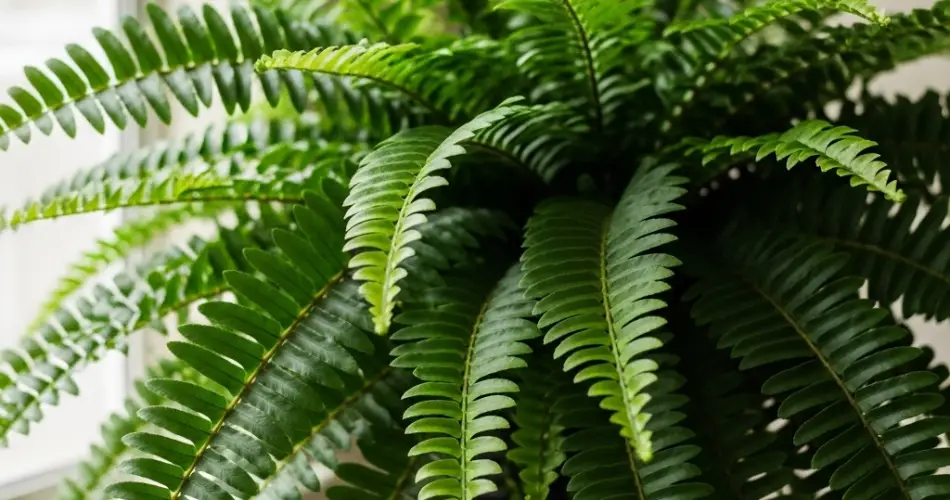
Boston ferns (Nephrolepis exaltata) are lush, elegant plants loved for their feathery, arching fronds and air-purifying qualities. They make stunning indoor and outdoor accents, but their beauty can quickly fade if not properly cared for. One of the most common issues gardeners face with Boston ferns is shedding leaves and browning or drying tips. These symptoms are often signs of stress and can be prevented with the right care.
If your Boston fern seems to be dropping fronds or showing signs of crispy, brown tips, don’t worry—this guide will help you identify the causes and provide practical steps to restore your plant’s health and keep it thriving.
Common Reasons for Shedding and Dry Tips
Boston ferns are sensitive to changes in their environment. When their needs aren’t met, they respond by shedding fronds or developing dry, discolored tips. The most common causes include:
-
Low humidity
-
Inconsistent watering
-
Poor light exposure
-
Drafts or temperature fluctuations
-
Soil issues or lack of nutrients
By addressing these factors, you can maintain a healthy, green fern with minimal shedding or tip damage.
1. Maintain Consistent Humidity
Boston ferns are native to humid tropical environments and need moderate to high humidity to stay lush. Dry indoor air, especially in winter, is one of the leading causes of dry frond tips and leaf drop.
Solutions:
-
Mist the fronds daily using a spray bottle with room-temperature water.
-
Place a humidity tray filled with pebbles and water under the pot (without letting the pot sit directly in water).
-
Use a room humidifier to raise humidity levels, particularly in air-conditioned or heated homes.
-
Group plants together to create a mini-humid microclimate.
Aim for at least 50% humidity, though Boston ferns do best at around 60% or higher.
2. Water Correctly and Consistently
Improper watering—either too much or too little—can lead to leaf loss and browning tips. Boston ferns prefer soil that is consistently moist but never soggy.
Solutions:
-
Water thoroughly when the top inch of soil feels dry.
-
Make sure the pot has good drainage and that excess water can escape freely.
-
Avoid letting the soil dry out completely between waterings.
-
Reduce watering frequency slightly in the winter months but never allow the plant to dry out entirely.
Tip: Use room-temperature, filtered water or allow tap water to sit out for 24 hours to evaporate chlorine and fluoride, which can contribute to brown tips.
3. Provide the Right Light Conditions
Boston ferns need bright, indirect light to grow well. Too little light can lead to leaf shedding, while direct sunlight can scorch the delicate fronds.
Solutions:
-
Place your fern near an east- or north-facing window, or in a bright room with filtered sunlight.
-
If growing outdoors, position the fern in a shaded or partially shaded area that avoids harsh midday sun.
-
Avoid placing the fern in dark corners or overly sunny windowsills.
If natural light is limited, consider supplementing with a grow light for several hours a day.
4. Avoid Drafts and Temperature Stress
Sudden temperature changes and drafts from windows, doors, or HVAC vents can stress Boston ferns and lead to shedding and tip damage.
Solutions:
-
Keep your fern in a location with stable temperatures between 60°F and 75°F (15°C to 24°C).
-
Avoid placing it near heating or cooling vents, fireplaces, or drafty windows.
-
Move outdoor ferns indoors when nighttime temperatures fall below 55°F (13°C).
5. Improve Soil and Fertilize Lightly
Poor soil quality or lack of nutrients can cause poor overall health, resulting in browning tips and leaf loss.
Solutions:
-
Use a well-draining, peat-based potting mix that retains moisture without becoming waterlogged.
-
Feed your Boston fern with a diluted liquid houseplant fertilizer every 4–6 weeks during the growing season (spring through early fall).
-
Avoid over-fertilizing, as excess salts in the soil can burn the roots and cause tip browning.
Flush the soil every few months by running water through the pot to remove any salt buildup.
6. Prune and Groom Regularly
Routine maintenance can help your fern stay healthy and encourage fresh growth.
Solutions:
-
Gently remove yellow, brown, or dead fronds by trimming them near the base with clean scissors.
-
Shake the plant occasionally to remove loose fronds and improve air circulation.
-
Inspect regularly for pests like spider mites or mealybugs, which can cause damage if left untreated.
Pruning not only improves the plant’s appearance but also redirects energy to new growth.
Final Thoughts
Boston ferns may require a bit of extra attention, but their lush, cascading fronds are well worth the effort. By creating a consistent environment with proper humidity, watering, lighting, and gentle care, you can prevent the common problems of shedding and dry tips. A healthy Boston fern will reward you with vibrant foliage that brings life and freshness to any space, indoors or out. With a few simple adjustments, your fern can remain full, green, and thriving throughout the year.


