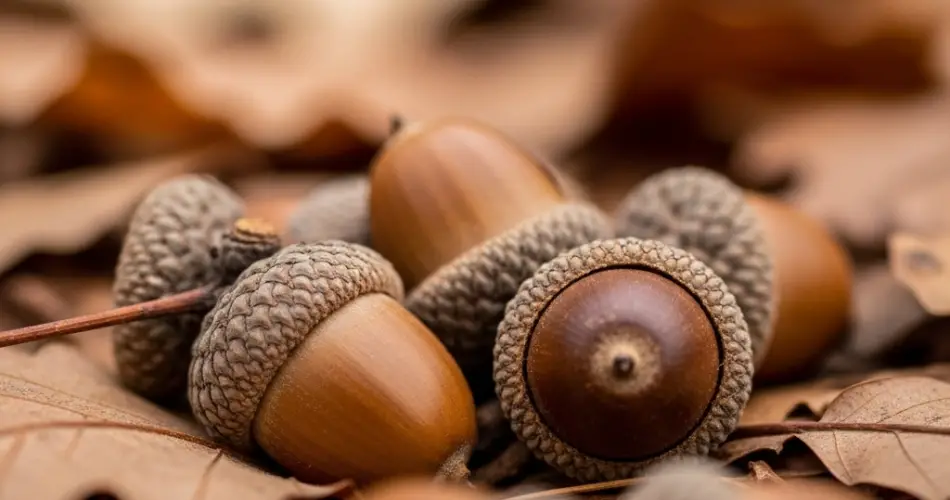
Planting a tree from seed is one of the most satisfying gardening projects you can undertake. And when it comes to native and resilient trees, few are as rewarding as oaks. Whether you’re interested in growing a traditional oak tree (Quercus robur), a holm oak (Quercus ilex), or a cork oak (Quercus suber), the process starts with a simple acorn. With a bit of patience and the right steps, you can successfully germinate acorns and grow your own oak trees.
Step 1: Collecting the Right Acorns
The first step is collecting healthy, mature acorns. The best time to do this is during autumn, when the trees naturally shed their seeds. Acorns should be firm, brown, and free from holes or cracks. Avoid any that look moldy, shriveled, or have signs of insect damage.
To ensure the acorns are viable, do a simple float test: place them in a bowl of water. Discard the ones that float—these are usually empty or damaged. The viable acorns will sink to the bottom and are ready to plant.
Step 2: Preparing Acorns for Germination
Acorns from many oak species require cold stratification to simulate winter conditions and trigger germination. Here’s how to do it:
-
Clean the acorns with water to remove any dirt or debris.
-
Wrap them in moist paper towels or mix them with slightly damp sand or sphagnum moss.
-
Place the wrapped acorns in a plastic bag and store them in the refrigerator (not the freezer) at about 4°C (39°F).
-
Leave them in the fridge for 6 to 8 weeks. During this time, check occasionally for mold and moisture. Remove any acorns that start to rot.
Some acorns—particularly those from holm oaks and cork oaks—may begin to germinate inside the fridge. This is a good sign that they’re viable and ready to plant.
Step 3: Planting the Acorns
Once the acorns have gone through cold stratification or show signs of sprouting, it’s time to plant them. You can start them in pots before transplanting outdoors later.
-
Choose deep pots to accommodate the taproot, which grows quickly and deeply.
-
Use a well-draining soil mix, such as a combination of potting soil, sand, and compost.
-
Plant the acorn horizontally or with the pointed end facing down, about 2 to 3 cm (1 inch) deep.
-
Water lightly after planting to moisten the soil without soaking it.
Place the pots in a bright, sheltered location where they’ll receive indirect sunlight and stay protected from heavy rain or frost.
Step 4: Caring for Oak Seedlings
Germination typically occurs within a few weeks to a couple of months, depending on the species and conditions. Once the seedling emerges:
-
Keep the soil moist but not waterlogged.
-
Avoid overexposure to direct sun during the first few weeks. Gradually introduce the plant to more light as it grows stronger.
-
Protect from pests, especially squirrels and rodents that may dig up the acorns or eat tender shoots.
As the seedling grows, it will develop a strong root system and a small stem with its first true leaves. This early growth stage is crucial—don’t rush to transplant it into the ground just yet.
Step 5: Transplanting to the Ground
After several months, once the seedling is well established and has grown 15–30 cm (6–12 inches) tall, it can be transplanted outdoors. Choose a planting site with good sunlight and room for the tree to mature.
-
Dig a hole slightly larger than the root ball.
-
Loosen the soil at the bottom and sides of the hole to help roots expand.
-
Place the seedling in the hole and cover with soil, pressing gently.
-
Water thoroughly and mulch around the base to retain moisture and suppress weeds.
Keep the area around the young tree clear and water regularly, especially during the first two years.
Tips for Success
-
Label your seedlings if growing multiple species to keep track.
-
Be patient—oaks grow slowly at first but become sturdy, long-lived trees.
-
Use tree guards if planting in open areas where animals may graze or damage the young tree.
-
If you’re growing holm oaks or cork oaks, note that they’re more drought-tolerant and suited for Mediterranean climates.
Final Thoughts
Germinating and growing an oak tree from a single acorn is a long-term but deeply rewarding process. Whether you’re restoring native woodland, planting for future shade, or simply enjoying the journey of nurturing a tree from seed, the oak will repay your care with decades—if not centuries—of strength and beauty.


